


Listen to the article
In a cinematic landscape increasingly intertwined with nationalist narratives, Aditya Dhar’s spy thriller “Dhurandhar” has emerged as both a box office sensation and a lightning rod for debates about the portrayal of international relations on screen. Released in early December, the film has captivated audiences while drawing scrutiny for its patriotic undertones and depiction of India’s neighbors.
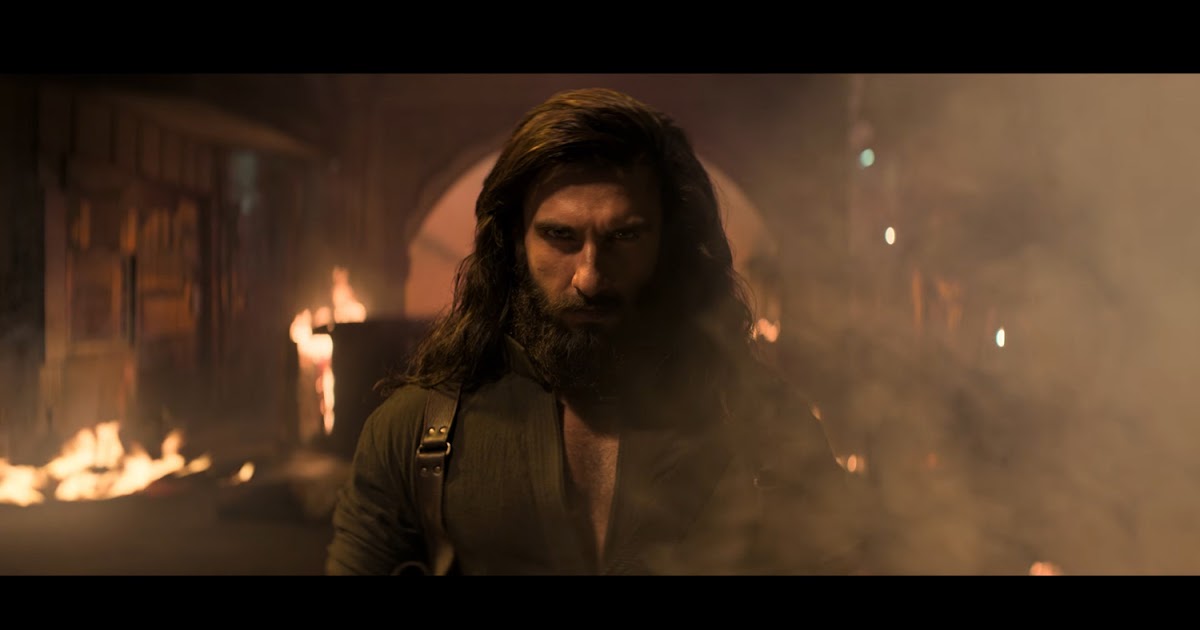
Set against the backdrop of Lyari, a crime-ridden district in Pakistan’s Karachi during the tumultuous 2000s, “Dhurandhar” follows Ranveer Singh as Hamza Ali Mazari, an Indian intelligence operative who infiltrates a powerful criminal organization. The film portrays Lyari as a battleground between rival Baloch and Pashtun crime lords, with control of the district framed as key to wielding power throughout Pakistan.
The star-studded cast features Akshaye Khanna in a scene-stealing role as gang leader Rehman Baloch, with Sanjay Dutt portraying a rival crime boss and rogue police officer. Arjun Rampal rounds out the ensemble as the head of Pakistan’s Inter-Services Intelligence. Critics have noted that Pakistani characters are predominantly characterized by extreme violence and moral corruption.
While ostensibly focused on gang rivalries and local power struggles, the narrative draws direct connections between these criminal enterprises and major terrorist incidents affecting India, including the 2008 Mumbai attacks and a counterfeit currency operation targeting the Indian economy.
The film’s commercial success is undeniable. Theaters report consistent full houses, and social media platforms have been flooded with viral clips featuring Khanna’s flamboyant entrance sequence and Singh’s charismatic performance. Even reviewers who acknowledged the film’s nationalist messaging have praised its tense storyline and action sequences.
“Dhurandhar” represents director Aditya Dhar’s continued exploration of narratives centered around Indian national security and intelligence operations. His directorial debut, “Uri: The Surgical Strike,” similarly depicted Indian military actions against Pakistan, specifically the 2016 cross-border strikes following an attack on an Indian military installation in Kashmir.
A recurring element in Dhar’s films is the presence of a character resembling Ajit Doval, India’s current National Security Advisor who has gained significant influence under Prime Minister Narendra Modi’s administration. In “Dhurandhar,” this figure appears as Ajay Sanyal, portrayed by R Madhavan, who orchestrates the eponymous covert operation to penetrate terrorist networks in Pakistan.
To reinforce the connection between fictional narrative and real-world events, Dhar incorporates actual footage of the 2001 attack on India’s Parliament and the Kandahar hijacking incident—a crisis in which the real Doval played a significant role as negotiator.
The film establishes its nationalist framework early, opening with a provocative scene where a hijacker taunts Sanyal with the claim that “Hindus are a cowardly community.” This insult, along with frustration at what the character perceives as governmental weakness, motivates Sanyal to launch Operation Dhurandhar. In one revealing plot point, Sanyal discovers Pakistan’s counterfeit currency scheme but withholds the information, waiting for a leadership change to a government that “cares more” about India.
The online discourse surrounding “Dhurandhar” mirrors broader patterns in India’s digital landscape, where criticism of nationalist themes can trigger aggressive responses. Film critics who have questioned the movie’s political positioning have found themselves targeted by online campaigns, a phenomenon previously more commonly directed at academics, activists, and journalists.
By blending fact and fiction within the inherently dramatic world of espionage, “Dhurandhar” exemplifies how popular entertainment can serve as a powerful vehicle for nationalist narratives, creating a context where artistic critique becomes difficult to separate from questions of patriotism.
Fact Checker
Verify the accuracy of this article using The Disinformation Commission analysis and real-time sources.

11 Comments
The choice to set the film in Lyari during the 2000s seems like an intentional move to tap into contemporary security concerns. I wonder if the director will explore the complex socioeconomic drivers behind the crime and violence.
The mix of crime drama and international intrigue seems like an intriguing premise. I’ll be interested to see if the film offers any fresh insights into the dynamics between India and Pakistan.
Portraying Pakistan through the lens of violence and corruption is a risky choice. I hope the filmmaker is able to avoid stereotypes and provide a more nuanced understanding of the country’s complexities.
Interesting take on the geopolitical tensions in the region. I’m curious to see how the movie portrays the nuances of the conflict and whether it offers any balanced perspectives.
A film exploring the role of intelligence agencies in the region could be timely and relevant. I hope the director is able to balance entertainment value with a thoughtful treatment of these important issues.
While patriotic narratives can be captivating, I hope the film avoids overly simplistic depictions of Pakistan and its people. Nuance and empathy are important when tackling sensitive international relations.
Portraying Lyari as a ‘battleground’ seems like a loaded narrative choice. I wonder if the film will delve into the socioeconomic realities that have fueled the district’s challenges over the years.
While patriotic stories can be compelling, I hope this film avoids painting Pakistan and its people with a broad brush. Nuanced storytelling is crucial when exploring sensitive international dynamics.
A star-studded cast could certainly draw big audiences, but I’m more interested in the film’s treatment of the intelligence and security themes. Hoping for a thoughtful exploration rather than just melodrama.
Agreed. The subject matter demands a measured approach. Sensationalism often undermines genuine understanding of complex geopolitical issues.
The decision to frame control of Lyari as key to power throughout Pakistan is an interesting narrative device. I’m curious to see how the film tackles the complexities of regional influence and geopolitics.