


Listen to the article
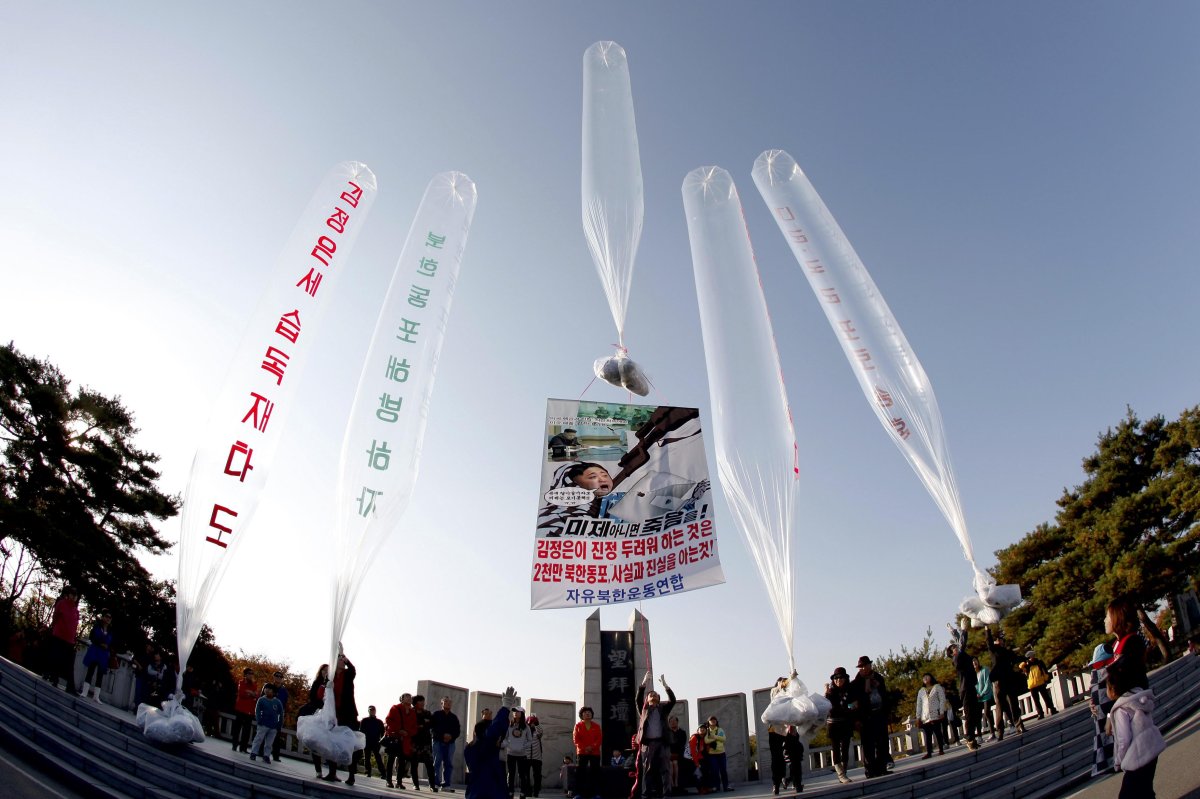
South Korea’s military is under scrutiny after allegations emerged that a defense propaganda unit covertly sent anti-North Korean leaflets across the border during former President Yoon Suk Yeol’s administration, potentially to provoke Pyongyang.
The Defense Ministry confirmed Friday it has launched a formal investigation into the matter, questioning both former and current leaders of the defense psychological operation group. Investigators have also conducted on-site inspections at front-line units under the group’s command.
“The ministry has launched the investigation in accordance with orders from the defense minister,” a ministry official stated, though they declined to provide additional details about the scope or timeline of the probe.
The allegations first came to light through testimony from a former conscript who participated in the operation. According to the whistleblower, the leafleting campaign began in October 2023, raising concerns about possible deliberate provocations. The former soldier suggested the military may have been attempting to trigger a North Korean response through these actions.
Notably, the timing precedes North Korea’s retaliatory campaign of sending thousands of trash-laden balloons southward across the border, which caused significant tensions between the two nations earlier this year.
The investigation comes amid broader scrutiny of actions taken during Yoon’s presidency. The current South Korean government has been pursuing disciplinary measures against officials involved in what it describes as Yoon’s “botched martial law imposition” on December 3 last year.
North Korea has historically responded with extreme sensitivity to propaganda campaigns targeting its population. The Kim Jong-un regime views the influx of outside information as a direct threat to its stability and control. Anti-Pyongyang leaflets typically contain criticism of the North Korean leadership, information about life in South Korea, and other content designed to challenge the North’s tightly controlled information environment.
Cross-border leafleting has been a contentious issue on the Korean Peninsula for decades. While South Korean civilian activist groups have frequently conducted such campaigns, direct military involvement would represent a more provocative escalation, potentially violating inter-Korean agreements aimed at reducing tensions along the heavily fortified Demilitarized Zone.
The psychological impact of such campaigns extends beyond the content of the materials themselves. For North Korea’s leadership, the ability of outside forces to penetrate their airspace and distribute unauthorized information demonstrates vulnerabilities in their border security and information control apparatus.
Relations between the two Koreas have deteriorated significantly in recent years. North Korea has conducted numerous missile tests and military exercises, while South Korea has strengthened its military alliance with the United States through joint drills and enhanced defense cooperation.
If confirmed, the allegations could further complicate already strained inter-Korean relations and potentially undermine future diplomatic initiatives. The revelation also raises questions about civilian oversight of military operations and the potential for rogue actions that could impact national security.
The Defense Ministry has not specified when it expects to complete the investigation or what potential consequences might follow if the allegations are substantiated. However, given the sensitivity of the matter and its implications for both domestic politics and inter-Korean relations, the findings will likely face intense scrutiny from lawmakers, media, and international observers.
Fact Checker
Verify the accuracy of this article using The Disinformation Commission analysis and real-time sources.

8 Comments
This is a concerning report about potential military propaganda activities targeting North Korea. It’s critical that any such operations be thoroughly investigated to ensure they comply with international laws and norms. We need more transparency around these issues.
The alleged anti-North Korea leaflet campaign seems like a potentially reckless abuse of military resources. I’m glad the Defense Ministry is taking this seriously and launching a full investigation. Transparency and accountability are crucial in matters of national security.
This report highlights the delicate balance between national security and civil liberties. While the military has a duty to protect the country, any clandestine psychological operations that could provoke conflict deserve intense scrutiny. I hope the investigation is thorough and impartial.
This story highlights the complex and sensitive nature of military-backed information operations. While national security is important, we must be vigilant that such activities don’t cross ethical lines or undermine diplomatic efforts. I’m curious to see what the investigation uncovers.
Allegations of deliberate military provocations against North Korea are very serious. I hope the Defense Ministry’s investigation is comprehensive and impartial, to uncover the full truth of what happened. Escalating tensions on the Korean peninsula could have grave consequences.
I agree, the investigation needs to be thorough and the findings made public. Any misuse of military resources for political purposes should be condemned.
The alleged anti-North Korea leaflet campaign raises troubling questions about potential abuse of power within the South Korean military. I hope the probe is conducted rigorously and transparently to restore public trust. Responsible oversight of military assets is critical for regional stability.
As someone with an interest in geopolitics, I’m following this story closely. Allegations of covert military propaganda efforts are always concerning, as they can escalate tensions and undermine diplomacy. I’m eager to see the results of the Defense Ministry’s investigation.