


Listen to the article
Federal Government Faces Scrutiny Over Agency Social Media Imagery
A former Department of Labor social media manager whose work sparked internal concerns over possible white nationalist messaging has been hired by the Department of Homeland Security to help run its social media accounts, according to a recent New York Times report.
Peyton Rollins, 21, was appointed this month as digital communications director at DHS, where he will manage social media for an agency that has become increasingly visible in implementing President Trump’s immigration enforcement priorities. The move has raised concerns among visual communication experts who note troubling stylistic similarities between Rollins’ government work and propaganda imagery from authoritarian regimes.
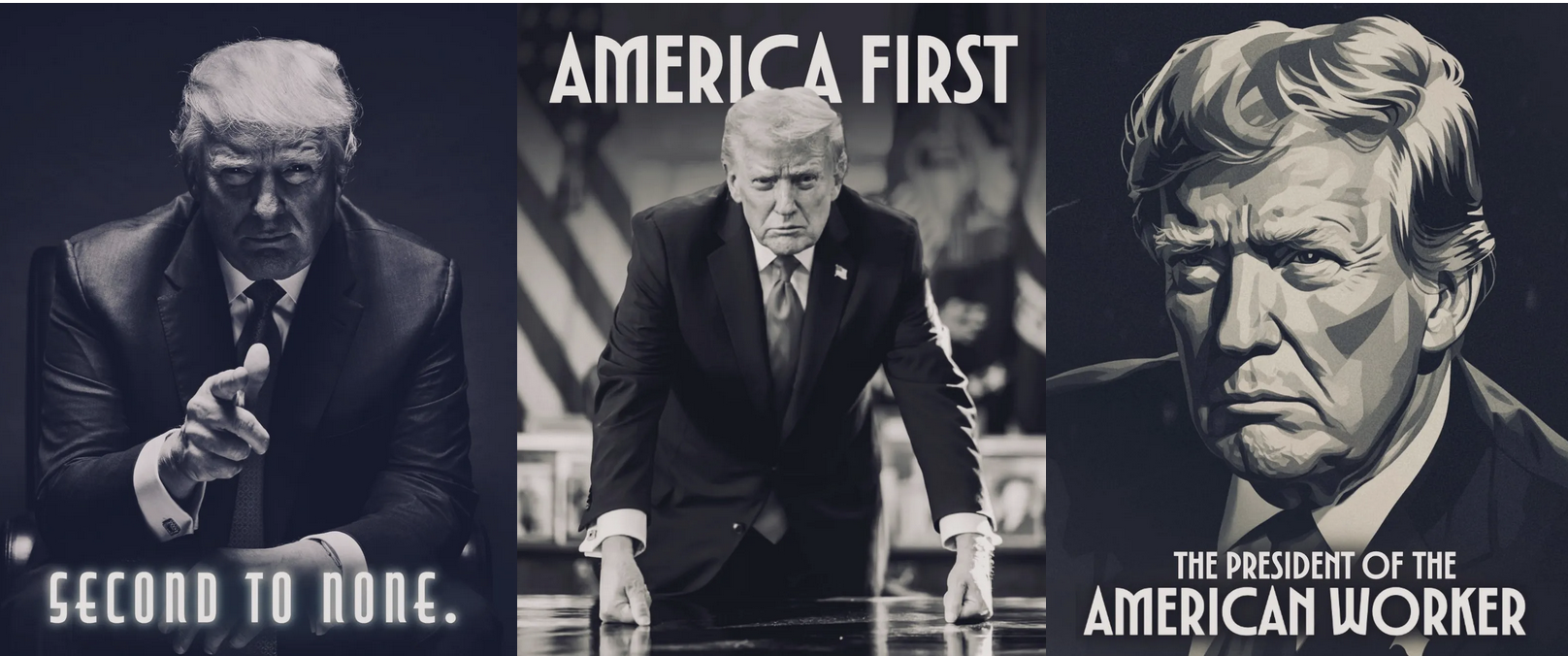
The Labor Department’s Instagram account featured numerous AI-generated images created during Rollins’ tenure that borrowed heavily from aesthetic elements common in mid-20th century propaganda. These posts featured heroic depictions of predominantly white workers bathed in golden light, muscular figures in stylized poses, and imagery reminiscent of socialist realism and fascist art styles from the 1930s and 1940s.
“The imagery being used draws directly from visual languages associated with totalitarian regimes,” said a professor who teaches propaganda analysis at a major university. “There are clear stylistic references to both Soviet and Nazi-era propaganda techniques in these government communications.”
This visual approach takes on additional significance at DHS, an agency currently implementing aggressive immigration enforcement policies. DHS social media accounts have already faced scrutiny for content that critics say appeals to right-wing extremists.
Government agencies have long used patriotic imagery in their communications, but design experts note a sharp difference between traditional American governmental visual identity and the stylistic choices in these recent posts. The Labor Department images feature distinct artistic elements associated with authoritarian visual propaganda: dramatically lit faces, heroic poses, nationalist symbolism, and an aesthetic that glorifies physical strength and racial homogeneity.
The controversy highlights growing concerns about the use of artificial intelligence in government communications. Several experts suggested these images were likely created using AI image generation tools prompted to mimic vintage propaganda styles, raising questions about oversight and approval processes for official government communications.
“What’s particularly concerning is the pattern,” noted a digital media analyst who studies government communications. “This isn’t a single image that accidentally evoked problematic associations – it’s a consistent aesthetic choice applied across dozens of official posts.”
This isn’t the first time government agencies have faced criticism for insensitive visual references. In 1988, the U.S. meat industry repurposed a Nazi-era propaganda poster in what one critic described as “profoundly ignorant retro pastiche.” However, the current controversy differs in that these are official communications from federal departments, not private industry campaigns.
Homeland Security has not responded to media inquiries about Rollins’ hiring or the department’s social media strategy going forward. The Labor Department has also remained silent on questions about the approval process for the imagery that appeared on their accounts.
As DHS continues its high-profile role in implementing the administration’s immigration policies, communication experts warn that visual choices matter. Government imagery that echoes authoritarian propaganda, whether intentionally or not, risks undermining public trust and sending troubling signals about institutional values.
The situation raises important questions about visual literacy among government communications staff and the need for greater awareness of historical context when creating public-facing content that represents federal agencies.
Fact Checker
Verify the accuracy of this article using The Disinformation Commission analysis and real-time sources.

7 Comments
Interesting article on the delicate balance between cultural appreciation and appropriation in design. It’s important to be mindful of historical context and symbolism when drawing creative inspiration.
I agree, these issues can be nuanced. Careful consideration of intent and impact is key to avoiding unintended offense.
Intriguing to see the stylistic connections drawn between government social media and authoritarian propaganda. Rigorous oversight of such creative decisions seems prudent, given the power of imagery to shape perceptions.
This is a complex topic without easy answers. I appreciate the article’s balanced examination of the design choices and their potential implications. Thoughtful discourse is needed on these sensitive issues.
The potential for government propaganda through visual communication is an important issue to raise. Maintaining public trust requires careful attention to messaging and imagery, even in innocuous social media posts.
The government’s use of stylistic elements from authoritarian propaganda is certainly concerning. Increased scrutiny over messaging and visuals in public communications is warranted.
Agreed, it’s troubling to see those aesthetics creeping into government channels. Transparency and accountability around such decisions is crucial.