


Listen to the article
Florida Congressman Introduces SPIN Act to Combat Domestic Government Propaganda
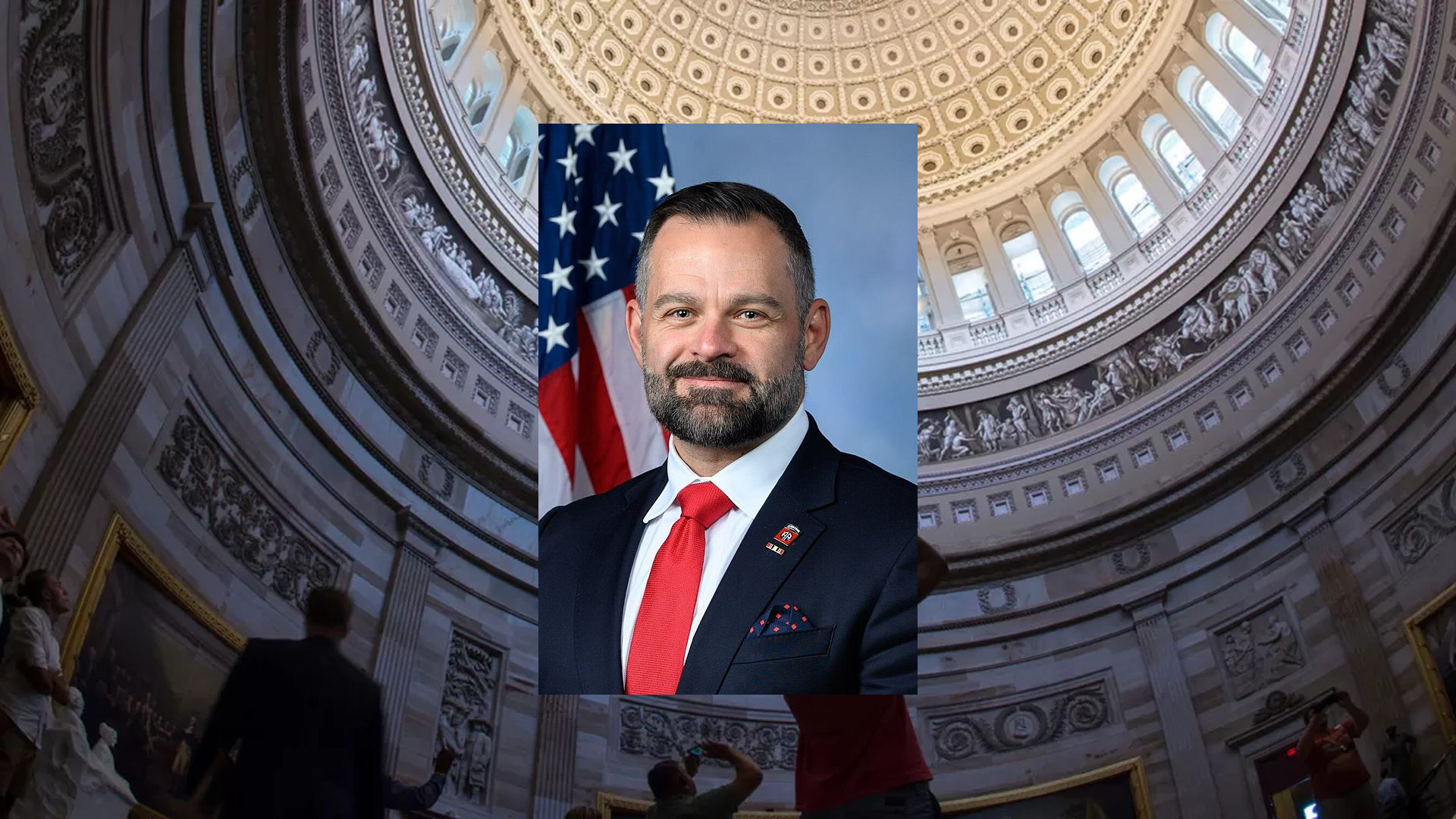
Florida Representative Cory Mills has introduced new legislation aimed at preventing the U.S. government from distributing propaganda to American citizens. The Stopping Propaganda Indoctrination Nationally (SPIN) Act seeks to strengthen restrictions on domestic dissemination of government-produced media that was originally created for foreign audiences.
The bill proposes amendments to the Smith-Mundt Act of 1948, which historically restricted government-produced media from being distributed domestically. According to Mills, a Republican representing Florida’s 7th Congressional District, the original intent of these restrictions has been undermined since 2013 policy changes created loopholes allowing government-created content to reach American audiences.
“Taxpayer dollars should never be used to manipulate the American people through government propaganda,” Mills stated when introducing the legislation. His proposal emphasizes the need for greater transparency and accountability in government communications with the American public.
The SPIN Act would reinstate stricter limitations on how government media can be accessed within the United States. Under the proposed legislation, such content would be reserved exclusively for foreign audiences, with domestic access limited to accredited individuals who specifically request it.
Political observers note this legislation comes amid growing concerns about misinformation and media manipulation across the political spectrum. The bill represents part of a broader conversation about the appropriate role of government in media production and distribution in the digital age.
Mills, a first-term congressman who took office in 2023, has positioned himself as an advocate for government transparency since joining Congress. The SPIN Act aligns with his stated commitment to protect Americans from what he characterizes as potential government overreach in the information space.
Financial disclosure records indicate Mills maintains a substantial financial position compared to many of his congressional colleagues. According to Quiver Quantitative, Mills reported a net worth of approximately $21.2 million as of November 2025, ranking him 62nd among members of Congress in personal wealth.
The congressman’s most recent fundraising efforts show moderate financial support. In his third quarter FEC filing for 2025, Mills disclosed raising approximately $132,100, with nearly 93 percent coming from individual donors rather than corporate or PAC contributions. During the same period, his campaign reported expenditures of $145,900 with $134,100 cash remaining on hand.
Media experts have offered mixed reactions to the proposed legislation. Supporters argue that government agencies should not create content that influences domestic public opinion, while critics question whether the bill addresses real concerns or represents a solution in search of a problem.
The original Smith-Mundt Act was enacted during the early Cold War era when concerns about propaganda were primarily focused on foreign influence operations. Its restrictions were loosened in 2013 as part of modernization efforts that recognized the increasingly global nature of media distribution in the digital age.
If enacted, the SPIN Act would potentially impact operations at various government agencies involved in media production, including the State Department, USAID, and the U.S. Agency for Global Media, which oversees Voice of America, Radio Free Europe/Radio Liberty, and other government-funded media organizations.
The bill now awaits committee assignment in the House of Representatives, where it will need to gain broader support before potentially advancing to a floor vote. Whether it ultimately succeeds will depend on Mills’ ability to build bipartisan consensus around concerns about government influence in domestic media consumption.
Fact Checker
Verify the accuracy of this article using The Disinformation Commission analysis and real-time sources.

16 Comments
Protecting against government propaganda is a worthy goal, but the details of the SPIN Act will be important. I hope the proposal receives robust bipartisan scrutiny to ensure it addresses the core issues without creating new problems.
Agreed. Maintaining public trust in government institutions is vital, so any new policies should be carefully crafted to uphold democratic principles without overly restricting legitimate information sharing.
As a concerned citizen, I’m glad to see action being taken to address government propaganda. The SPIN Act seems like a reasonable approach to reinforce the original intent of the Smith-Mundt Act. However, the details will be crucial, and I hope the proposal receives robust, bipartisan scrutiny.
Agreed. Protecting the public from government manipulation is an important goal, but it must be balanced against the government’s legitimate need to communicate information. A thoughtful, nuanced policy solution is required here.
Kudos to Congressman Mills for taking on this important issue. Preventing the misuse of taxpayer funds for propaganda is a worthy goal, but the details of the SPIN Act will be critical. I look forward to seeing how this proposal evolves through the legislative process.
Agreed, the specifics will be crucial. Restoring trust in government communications is essential, but any new policies must be carefully crafted to avoid unintended consequences that could undermine democratic principles.
This is a complex issue that requires careful consideration. While the intent behind the SPIN Act is understandable, I wonder about the potential unintended consequences of overly restrictive policies on government communications. A balanced approach may be needed.
That’s a fair point. Any legislation in this area will need to strike the right balance between transparency and the government’s ability to effectively communicate with citizens. Thoughtful debate on the specifics will be crucial.
An interesting proposal to limit government propaganda. Ensuring transparency and accountability in public communications is important for a healthy democracy. I’m curious to learn more about the specifics of the SPIN Act and how it aims to address this issue.
Agreed, it’s crucial that taxpayer funds aren’t used for government manipulation of the public. Strengthening the Smith-Mundt Act could be an effective way to prevent domestic dissemination of foreign-oriented propaganda.
As a supporter of free speech and open discourse, I’m intrigued by the SPIN Act. Ensuring transparency in government communications is important, but we must be cautious about setting precedents that could be abused. Nuanced policy solutions are needed here.
That’s a thoughtful perspective. Balancing transparency with the government’s need to communicate effectively with citizens is a delicate task. The SPIN Act warrants close examination to ensure it upholds democratic values.
The introduction of the SPIN Act highlights ongoing concerns about the blurring of lines between government information and propaganda. Reinstating stricter limits on domestic distribution of government-produced media seems like a reasonable step to improve transparency.
Kudos to Congressman Mills for taking action on this issue. Preventing the government from using public funds to sway public opinion is an important democratic principle.
The SPIN Act raises important questions about the boundary between government information and propaganda. Strengthening the Smith-Mundt Act could be a step in the right direction, but the legislation will need to be thoroughly vetted to ensure it doesn’t go too far or create new problems.
That’s a fair assessment. Maintaining transparency and accountability in government communications is vital, but any new policies must be balanced and well-considered to uphold democratic values. The legislative process will be key to getting this right.