


Listen to the article
In the wake of the Bondi Beach attack that left Australia and the international community reeling, a concerning wave of misinformation has emerged alongside genuine expressions of grief and solidarity. What should have been a moment of unified mourning instead became muddied by a coordinated disinformation campaign attempting to falsely implicate Pakistan in the tragedy.
Within hours of the attack, numerous Indian media outlets and social media accounts began disseminating manipulated images, doctored videos, and fabricated claims suggesting Pakistani involvement. Digital forensics experts have since identified these materials as deliberately altered to create a false narrative linking the tragedy to Pakistan.
“What we’re seeing is a textbook case of crisis exploitation through misinformation,” said Dr. Amina Hussain, a researcher specializing in digital propaganda at the University of Sydney. “These campaigns rely on emotional vulnerability during tragic events to push geopolitical agendas when critical thinking may be compromised by shock and grief.”
The campaign gained initial traction through coordinated sharing across multiple platforms, with identical false claims appearing simultaneously on different networks. Despite lacking any verification from credible international news organizations or official statements from Australian authorities, these fabricated stories reached millions worldwide before fact-checkers could respond.
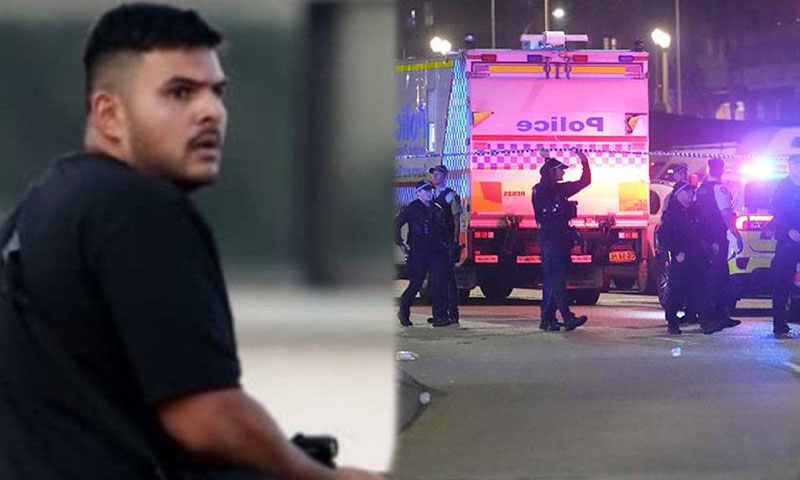
Meanwhile, authentic stories of heroism during the attack received comparatively little attention. Among these was the account of Ahmed Al-Ahmad, a Muslim bystander who reportedly helped several victims to safety before emergency services arrived. Witnesses described his actions as “selfless and courageous,” yet his story was largely overshadowed by the disinformation storm.
Security analyst Robert Winters notes that this pattern of exploiting tragedy isn’t new. “We’ve seen similar disinformation campaigns following attacks in Europe and North America,” he explained. “The playbook involves quickly attributing blame to geopolitical rivals before investigations can establish facts, then flooding social networks with manipulated ‘evidence’ to support these claims.”
The Australian Federal Police have urged the public to rely only on official information channels regarding the Bondi Beach attack, with a spokesperson stating: “Premature attribution not only hampers ongoing investigations but can incite community tensions and potentially endanger innocent people.”
International relations experts warn that such disinformation campaigns carry serious implications. Dr. Jessica Chen from the International Crisis Group points out: “Falsely linking entire nations to terrorist acts can inflame existing regional tensions and complicate diplomatic relations at precisely the moment when international cooperation is most needed.”
Mental health professionals also highlight the additional trauma such misinformation causes for victims and their families. “When a tragedy becomes politicized through false information, it compounds the grief process,” said clinical psychologist David Morrison. “Victims find themselves not only processing their trauma but also navigating a landscape where their suffering has become a political football.”
Social media platforms have since implemented measures to limit the spread of the false claims, though many had already reached wide audiences. Digital rights advocates argue this incident demonstrates the continuing challenge of balancing free expression with protection against harmful misinformation during crisis events.
As investigations into the actual circumstances of the Bondi Beach attack continue, community leaders have called for a return to compassion and fact-based discourse. “In moments of tragedy, our first response should be humanity,” said Sydney interfaith council representative Sarah Mahmood. “Exploitation of grief serves no one except those whose agenda relies on division.”
The incident serves as a stark reminder of the complex information landscape that now surrounds tragic events, where genuine news, heroic stories, and cynical manipulation often compete for public attention within the same digital spaces.
Fact Checker
Verify the accuracy of this article using The Disinformation Commission analysis and real-time sources.

8 Comments
The Bondi Beach tragedy is heartbreaking, but using it to fuel anti-Pakistan propaganda is highly concerning. We need to focus on facts, not emotional exploitation, to properly address such issues.
Agreed. Responsible reporting and civic dialogue are crucial during times of crisis, not the spread of misinformation and divisive narratives. The victims and their families deserve our sincere condolences, not political point-scoring.
As someone interested in mining and commodities, I’m dismayed to see the Bondi Beach tragedy being used for propaganda purposes. We should demand factual, objective coverage that avoids emotional manipulation and political agendas.
Tragic incident at Bondi Beach, but it’s alarming to see how it’s being exploited for political propaganda. We must be vigilant against the spread of misinformation, especially during times of grief.
Agreed. Manipulating such tragic events for political gain is reprehensible. The focus should remain on mourning the victims and supporting the affected communities, not fueling divisive narratives.
It’s troubling to see how quickly the Bondi Beach incident has been exploited for political agendas. We must be vigilant against the manipulation of public sentiment, especially around sensitive topics.
While the Bondi Beach tragedy is devastating, using it to push anti-Pakistan propaganda is unethical and counterproductive. We should demand factual, objective reporting during such sensitive times.
Exactly. Spreading misinformation and false claims only serves to further polarize and distract from the real issues at hand. Responsible journalism and civic discourse are essential in these situations.