


Listen to the article
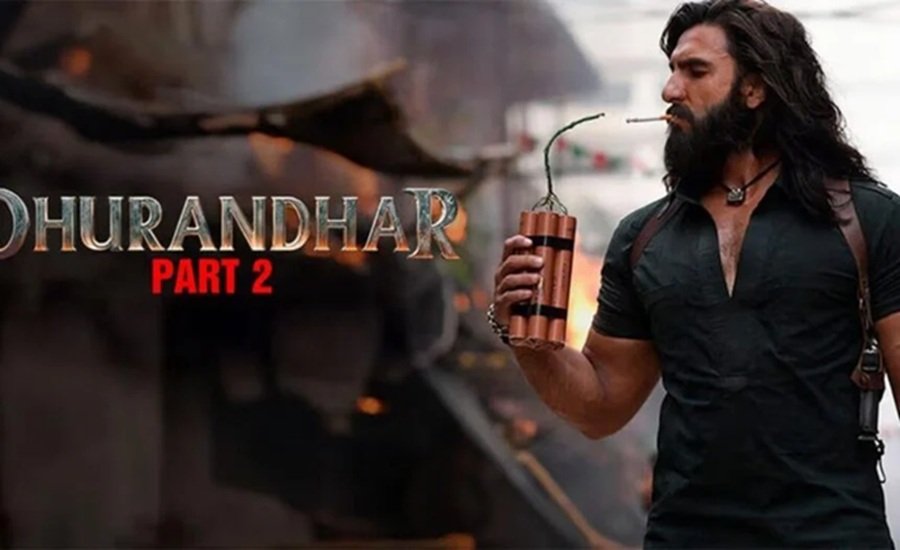
Political tensions have erupted over the controversial film “Dhurandhar 2,” with opposition parties condemning it as anti-Muslim propaganda while BJP leaders defend it as a portrayal of reality.
Samajwadi Party Maharashtra MLA Abu Azmi has voiced strong opposition to the film, claiming it was designed specifically to incite religious animosity and tarnish the image of Muslims in India.
“This film is made only to spread hatred. It is a false film. It is a Pakistani film, so why not show it to the people of Pakistan? Why show it to the people of Hindustan?” Azmi said in statements to IANS.
Azmi specifically objected to the film’s portrayal of slain mafia don Atiq Ahmed, which suggests direct connections between Ahmed and Pakistan’s Inter-Services Intelligence (ISI). “There can be no connection between my party’s MP and ISI; there is no question of that. Every religion and community has good and bad people, but by showing such things, the film only aims to create hatred against Muslims,” he insisted.
Congress leader Hussain Dalwai raised concerns about the film’s financial backing, suggesting potential ties to right-wing organizations. “It may be financed by the RSS. This should be investigated,” Dalwai stated, referring to the Rashtriya Swayamsevak Sangh, the ideological parent organization of the ruling BJP.
Samajwadi Party MP Awadhesh Prasad accused the BJP of using the film to distract from more pressing national issues. “The BJP has no real work. They want to divert people’s attention by making such baseless claims. What the country needs today is jobs for the unemployed,” Prasad remarked, highlighting the ongoing economic challenges facing many Indians.
Congress MP Imran Masood dismissed the film as “nonsense” and criticized its apparent glorification of the controversial 2016 demonetization policy implemented by Prime Minister Narendra Modi’s government. The sudden withdrawal of high-value currency notes from circulation was a polarizing economic measure that continues to be debated for its effectiveness and implementation.
Masood also emphasized the need for national unity, stating, “There are 25 crore Muslims in the country; you cannot push them out. They have to live here. By spreading hatred, you will hinder the country’s progress.”
The controversy reflects deeper tensions in India’s political landscape, where representations of religious communities in media and entertainment frequently become flashpoints for broader ideological debates. Films touching on communal subjects have increasingly sparked political disputes in recent years, with parties often viewing them through the lens of their political positions on secularism and religious identity.
The BJP and its allies, however, have firmly defended the film. Chhattisgarh Deputy Chief Minister Arun Sao accused the Congress Party of selective opposition based on political convenience rather than principles. “It is unfortunate that the Congress Party neither respects public sentiment nor shows loyalty towards the nation. They oppose everything that does not suit their political agenda,” Sao stated.
Former Jammu and Kashmir Director General of Police S.P. Vaid also supported the film’s content, claiming it accurately reflects reality. “There is no controversy because what has been shown is the truth. In ‘Dhurandhar 2’ and even in the first part, what has been depicted is based on truth,” he told IANS.
The controversy surrounding “Dhurandhar 2” comes amid growing concerns about polarizing content in Indian cinema and its potential impact on communal relations. Critics argue that such films can exacerbate existing tensions, while supporters maintain that artistic expression should not be censored, particularly when addressing what they view as legitimate social and political issues.
As the film continues its theatrical run, the debate is likely to intensify, reflecting the broader cultural and political divisions that characterize contemporary Indian society.
Fact Checker
Verify the accuracy of this article using The Disinformation Commission analysis and real-time sources.

7 Comments
The accusations of ties to extremist groups or foreign intelligence agencies are quite serious. I hope an objective investigation can determine the facts and motivations behind this film, rather than allowing it to become a partisan battleground.
Portrayal of sensitive political and religious topics in media is always tricky. I can see valid concerns from both sides here. Ultimately, I hope open and respectful dialogue can help bridge divides and find common ground, rather than further inflame tensions.
This is a sensitive and politically charged topic. I appreciate the desire to understand the full context and nuances at play, rather than jumping to conclusions. Fact-based, ethical journalism will be important in navigating this issue.
The allegations of connections to Pakistan’s ISI and right-wing organizations are quite serious. I hope an impartial investigation can shed light on the facts and motivations behind this film. Nuanced, fact-based analysis from diverse perspectives is needed to understand the full picture.
This seems like a complex issue with valid concerns on multiple sides. I’m curious to learn more about the specific claims and evidence around the film’s messaging and financing. Balanced, impartial reporting would be helpful to sort fact from fiction.
Interesting political tensions around this film. Both sides seem to have strong views on the messaging and potential impacts. I’d be curious to learn more about the nuances of the film’s portrayal and how it’s being received by different communities.
This is a sensitive and politically charged issue. I appreciate the opposition’s concerns about potential religious animosity, but also wonder if the film offers a fair or balanced perspective. More transparency around the financing and production would help provide important context.