


Listen to the article
White House Under Fire for Using Movie Clips in War-Themed Social Media Post
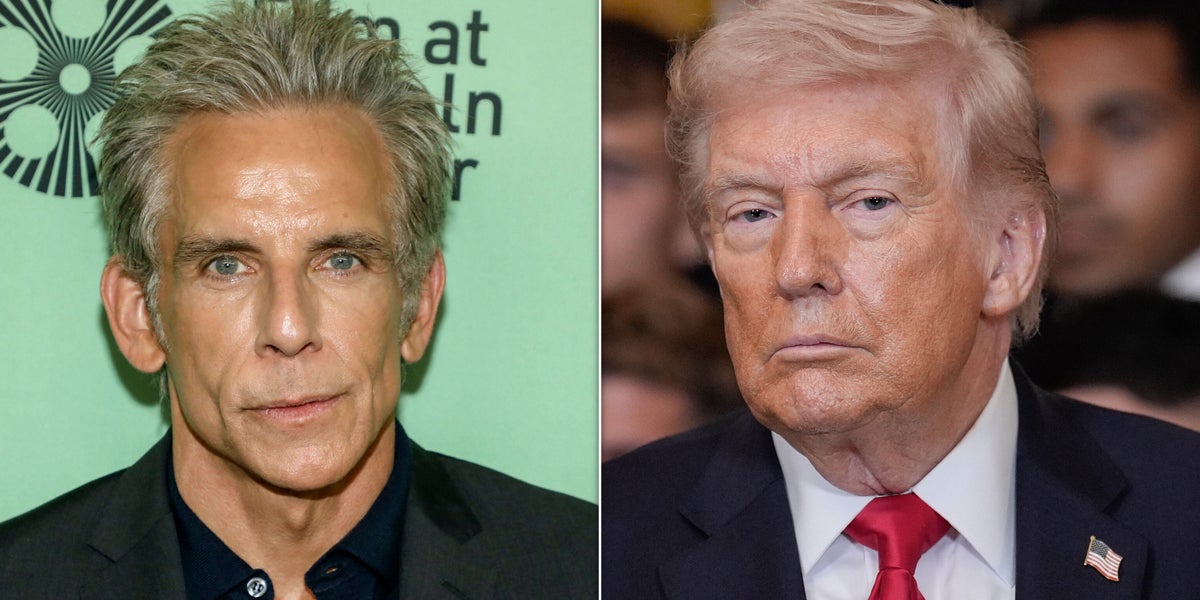
Actor and director Ben Stiller publicly criticized the White House on Friday for using scenes from his 2008 comedy film “Tropic Thunder” in what appeared to be a social media post promoting potential military action against Iran.
The White House shared a 42-second video on Thursday with the caption “JUSTICE THE AMERICAN WAY,” featuring clips from several films including “Tropic Thunder,” “Braveheart,” “Gladiator,” and “The Matrix,” alongside scenes from the TV show “Breaking Bad.” The montage was described by critics as testosterone-fueled and seemingly designed to build public support for military conflict.
Stiller, who directed and co-wrote “Tropic Thunder,” responded forcefully on social media. “Hey White House,” he posted. “Please remove the Tropic Thunder clip. We never gave you permission and have no interest in being a part of your propaganda machine. War is not a movie.”
The White House has not yet responded to requests for comment about the unauthorized use of the film clips or Stiller’s demand.
This controversial post appears to be part of a broader pattern of social media content from the administration that appropriates pop culture references to frame military action in dramatic, entertainment-style formats. Just a day earlier, the administration posted a video combining clips from the popular video game “Grand Theft Auto” with what seemed to be actual footage of military strikes against Iranian targets.
The practice of using unauthorized entertainment media to promote policy initiatives has become a recurring issue for the current administration. Several artists and content creators have publicly objected to having their work repurposed for government messaging without consent.
Earlier this week, rock band Radiohead issued a strongly worded statement telling the White House to “go f*** yourselves” after Immigration and Customs Enforcement (ICE) used their song “Let Down” in content criticizing what the agency termed “criminal illegal alien violence.”
In a similar incident in December, pop singer Sabrina Carpenter condemned the administration after her song “Juno” was featured in a compilation showing ICE agents conducting arrests. “This video is evil and disgusting,” Carpenter wrote on social media platform X. “Do not ever involve me or my music to benefit your inhumane agenda.”
The controversy extends back to October, when musician Kenny Loggins criticized officials for using his hit song “Danger Zone” in an AI-generated video depicting the president dumping feces on American protesters.
The repeated unauthorized use of copyrighted entertainment content raises questions about potential intellectual property violations as well as ethical concerns about blurring the lines between entertainment and serious military matters.
Media analysts note that the practice of using movie clips and popular songs to frame government messaging, particularly around military action, represents a concerning trend of packaging complex geopolitical situations as simplified, action-movie narratives for public consumption.
The current tensions with Iran involve complicated diplomatic, military, and regional security considerations that foreign policy experts have cautioned require careful, measured responses rather than emotional appeals.
As this story develops, it highlights ongoing tensions between the entertainment industry and government communications strategies, particularly when the subject matter involves potential armed conflict.
Fact Checker
Verify the accuracy of this article using The Disinformation Commission analysis and real-time sources.

7 Comments
While I understand the White House’s desire to engage the public creatively, the use of Tropic Thunder footage is misguided. Stiller makes a fair point – war is not entertainment, and the administration should avoid trivializing such a serious issue.
As a fan of Stiller’s work, I’m glad he’s pushing back on the White House’s use of his film in this context. Depicting war through an action movie lens trivializes the very real human toll. I hope this leads to a more thoughtful, nuanced approach from the administration.
I’m curious to see how the White House responds to Stiller’s demand. Using unauthorized film footage to promote military action is a questionable tactic at best. Stiller makes a valid point that war should not be portrayed as just another movie plot.
Hmm, using movie clips to promote military action seems like a concerning attempt to glamorize war. Stiller makes a fair point – war is a serious reality, not just entertainment. I hope the White House reconsiders this approach.
The White House’s video seems like a blatant attempt to manipulate public sentiment around a sensitive issue. I agree with Stiller – war is not entertainment, and the use of movie clips is inappropriate. Let’s hope this incident leads to more responsible, fact-based communication in the future.
I’m glad to see Stiller standing up against the White House’s use of his film in this context. Portraying war through an action movie lens is disrespectful and could sway public opinion in concerning ways. The administration should seek more thoughtful, nuanced methods of communication.
I appreciate Stiller taking a stand here. Using unauthorized film footage to potentially sway public opinion on military matters is questionable at best. The White House should remove the Tropic Thunder clip and focus on more substantive, fact-based communication.