


Listen to the article
Hollywood Clashes with White House Over Unauthorized Film Clips in War Footage
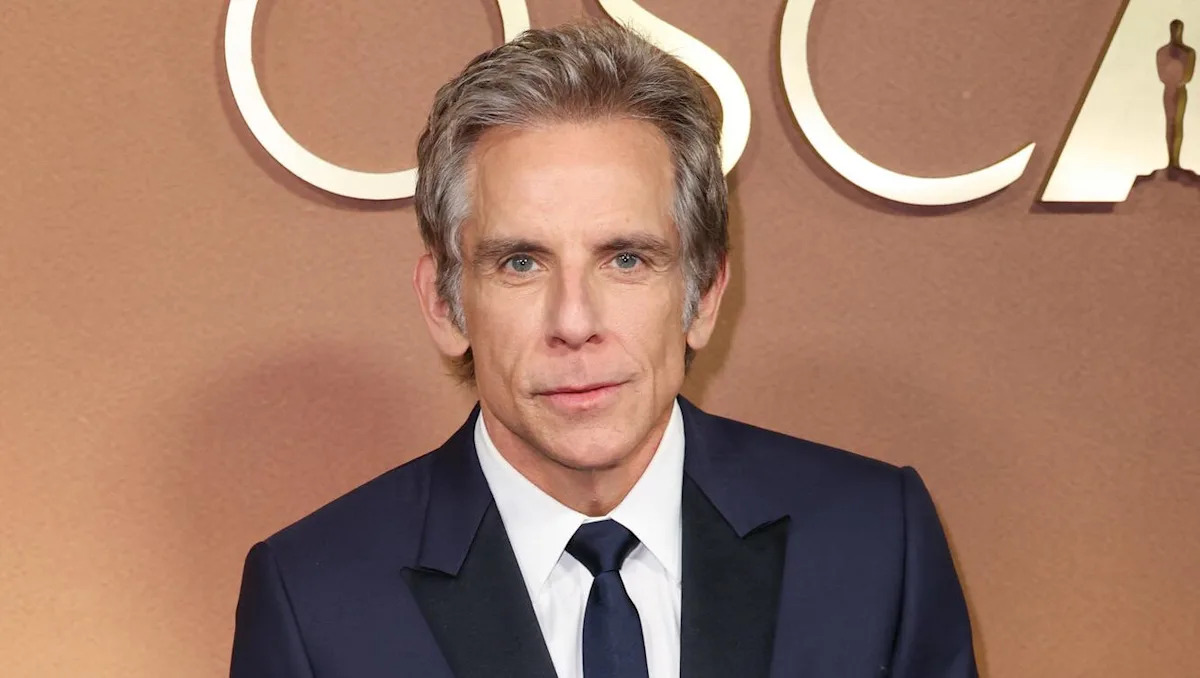
Ben Stiller has publicly criticized the White House for including footage from his 2008 comedy “Tropic Thunder” in a controversial video celebrating recent military strikes against Iran. The actor expressed his disapproval on social media platform X, stating: “Hey White House, please remove the ‘Tropic Thunder’ clip. We never gave you permission and have no interest in being a part of your propaganda machine. War is not a movie.”
The video in question, shared by the White House on Thursday, combined actual drone footage from U.S. and Israeli bombings in Iran with scenes from numerous popular films and television shows. The montage was captioned “JUSTICE THE AMERICAN WAY” and featured clips from blockbuster franchises including “Star Wars,” “Top Gun: Maverick,” “John Wick,” “Superman,” “Transformers,” and “Deadpool,” as well as TV series like “Breaking Bad.”
This is not the first time the administration has faced backlash from entertainment figures for unauthorized use of creative content in military promotional materials. Singer Kesha previously condemned the White House for using her song “Blow” in a February TikTok post titled “Lethality,” which showed footage of a jet launching a missile and destroying what appeared to be an enemy vessel.
The Motion Picture Association has not issued any statement regarding the unauthorized use of these film clips in government propaganda.
The controversial video comes amid heightened tensions in the Middle East following joint U.S. and Israeli strikes against Iran. Iranian state television recently confirmed the death of Supreme Leader Ali Khamenei, whose 37-year rule reportedly ended during the first wave of attacks. The strikes also resulted in the deaths of dozens of other Iranian leadership figures.
The Trump administration has framed these military actions as necessary measures to eliminate Iran’s nuclear capabilities, weaken its navy, prevent the development of nuclear weapons, and limit Iran’s ability to direct military forces beyond its borders. President Trump has projected that the conflict will last between four and five weeks, with his administration pledging to do “whatever it takes” to achieve these objectives.
The use of popular entertainment in military propaganda raises significant questions about copyright infringement and the ethics of associating creative works with acts of war without permission from creators. This practice blurs the line between entertainment and real-world conflict in ways that many artists find deeply troubling.
The juxtaposition of fictional action sequences with actual combat footage has drawn criticism for potentially trivializing the serious consequences of military action and glamorizing warfare through the lens of Hollywood spectacle.
As international tensions continue to escalate, the intersection of popular culture and military messaging remains a contentious issue, with creative professionals increasingly willing to speak out against the unauthorized appropriation of their work for political or military purposes.
The White House has not yet responded to Stiller’s request to remove the “Tropic Thunder” footage from their promotional materials.
Fact Checker
Verify the accuracy of this article using The Disinformation Commission analysis and real-time sources.

14 Comments
I’m glad to see Stiller speaking out against this inappropriate use of his film’s content. The White House should not be exploiting creative works without permission to push a pro-war narrative. That’s a concerning abuse of power.
Absolutely. Stiller is right to call out this propaganda effort. The White House needs to be more responsible and thoughtful in how it portrays sensitive national security issues to the public.
The White House’s attempt to turn war footage into a flashy action movie trailer is highly problematic. Stiller is right to condemn this as an inappropriate trivialization of armed conflict. I hope this leads to more responsible handling of these issues.
Agreed. Using entertainment clips to hype up military operations is disrespectful and dangerous. The administration should focus on providing factual, objective information, not sensationalized propaganda.
I’m curious to see how this controversy plays out. The White House’s attempt to create a slick, cinematic war video is problematic on many levels. Stiller is right to call them out and demand the clip be removed.
Agreed. The use of popular entertainment to glorify military action is a concerning trend. I hope this pushback from Stiller and others leads the administration to reconsider this approach.
While the White House may have intended the video to boost morale or support, Stiller makes a valid point – war is a serious, real-world issue, not just fodder for entertainment. I hope this leads to more thoughtful handling of these topics.
Agreed. Trying to conflate actual combat with fictional Hollywood scenarios is disrespectful and trivializes the sacrifices of those who serve. The administration should reconsider this approach.
While I understand the desire to highlight U.S. military capabilities, the use of entertainment footage is inappropriate and disrespectful to the gravity of armed conflict. Stiller makes a fair point – war is not entertainment.
Exactly. There’s a big difference between action movies and the real-world consequences of war. The White House should be more thoughtful and responsible in how it portrays these issues.
This is a concerning example of the government trying to leverage pop culture to shape public perception of military operations. Stiller’s response highlights the importance of keeping war and entertainment separate.
Absolutely. The White House should focus on providing factual, responsible information about national security issues, not trying to turn it into a big-budget movie trailer.
Using movie clips to glorify war is highly concerning. War is a serious, complex issue that should not be trivialized or sensationalized. I’m glad Ben Stiller spoke out against this attempt at propaganda.
I agree, the White House should not be exploiting creative works without permission to promote military action. That’s a troubling abuse of power and disrespect for the arts.