


Listen to the article
Ben Stiller Denounces White House Use of “Tropic Thunder” Footage in TikTok Montage
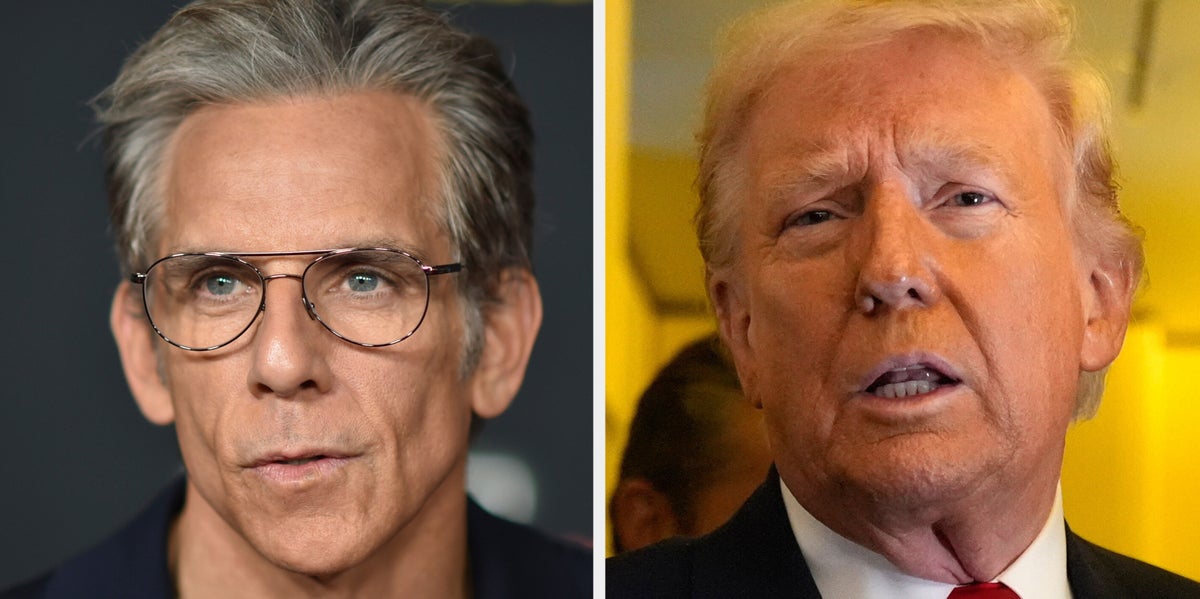
Ben Stiller has publicly criticized the Trump administration for using footage from his 2008 film “Tropic Thunder” without permission in a recent White House social media post.
Last week, the official White House TikTok account published a provocative montage titled “justice the American way,” which featured clips from several popular Hollywood films including “Iron Man,” “Top Gun,” “Braveheart,” and “Gladiator.” Among these was footage from “Tropic Thunder,” a satirical action comedy that Stiller directed and starred in alongside Robert Downey Jr., Jack Black, and Tom Cruise.
Stiller took to X (formerly Twitter) on Friday evening to express his disapproval, writing: “Hey White House, please remove the Tropic Thunder clip. We never gave you permission and have no interest in being a part of your propaganda machine.” The Emmy-winning actor and director concluded his message with the pointed statement, “War is not a movie.”
This incident represents the latest in a growing pattern of disputes between the Trump administration and entertainment figures over unauthorized use of creative content in official government communications.
Just days before Stiller’s complaint, Grammy-nominated singer Kesha similarly condemned the White House for incorporating one of her songs in a TikTok video. “It’s come to my attention that The White House has used one of my songs on TikTok to incite violence and threaten war,” she wrote on social media. “Trying to make light of war is disgusting and inhumane. I absolutely do not approve of my music being used to promote violence of any kind.”
The response from the administration came through Steven Cheung, the White House’s director of communications, who dismissively replied on X: “All these ‘singers’ keep falling for this. This just gives us more attention and more view counts to our videos because people want to see what they’re bitching about.”
The British rock band Radiohead also recently objected to the administration’s use of a choral cover of their song “Let Down” in a video posted by Immigration and Customs Enforcement (ICE) agents. Last year, pop star Sabrina Carpenter similarly protested when her music appeared in White House social media content, stating: “This video is evil and disgusting. Do not ever involve me or my music to benefit your inhumane agenda.”
These conflicts highlight ongoing tensions between the entertainment industry and the current administration regarding intellectual property rights and artistic control. The unauthorized use of copyrighted material in political messaging raises questions about fair use, permissions, and the ethics of associating artists with political positions they may not support.
“Tropic Thunder,” released in 2008, is particularly notable in this context as it is itself a satire of Hollywood war films and the film industry’s approach to serious subjects. The film’s inclusion in what Stiller characterized as a “propaganda machine” adds a layer of irony given the movie’s critical stance toward the glorification of war and violence in entertainment.
The White House has not yet responded directly to Stiller’s request to remove the footage, nor has it addressed the broader concerns about unauthorized use of copyrighted entertainment content in official government communications.
As social media continues to play an increasingly central role in political messaging, these conflicts between content creators and political entities over intellectual property and artistic intent are likely to remain a significant issue in the cultural landscape.
Fact Checker
Verify the accuracy of this article using The Disinformation Commission analysis and real-time sources.

7 Comments
Stiller makes a reasonable point – the White House should have sought permission before using his film in a political video. Curious to hear their response and if they plan to remove the footage.
While the administration may have felt the film clip conveyed a powerful message, Stiller is right that they needed to get permission first. It’s a shame when creative works get pulled into political battles.
As an actor and director, I can understand Stiller’s objections to having his work used for political purposes without his consent. Curious to see if this leads to any policy changes around media use in government.
I appreciate Stiller’s stance on keeping his creative work separate from political propaganda. Curious to see if this incident prompts a broader discussion about media usage guidelines for government.
Stiller raises a valid concern about the White House’s use of his film footage. Curious to hear more about how they selected the clips and their rationale for including them in the video.
Interesting use of a film clip, though I’d agree with Stiller that war and politics shouldn’t be reduced to propaganda. Curious to hear more about the administration’s perspective on this.
Stiller makes a fair point – using creative content without permission raises ethical concerns. Hopefully this incident leads to more transparency around how the government utilizes media in its messaging.