


Listen to the article
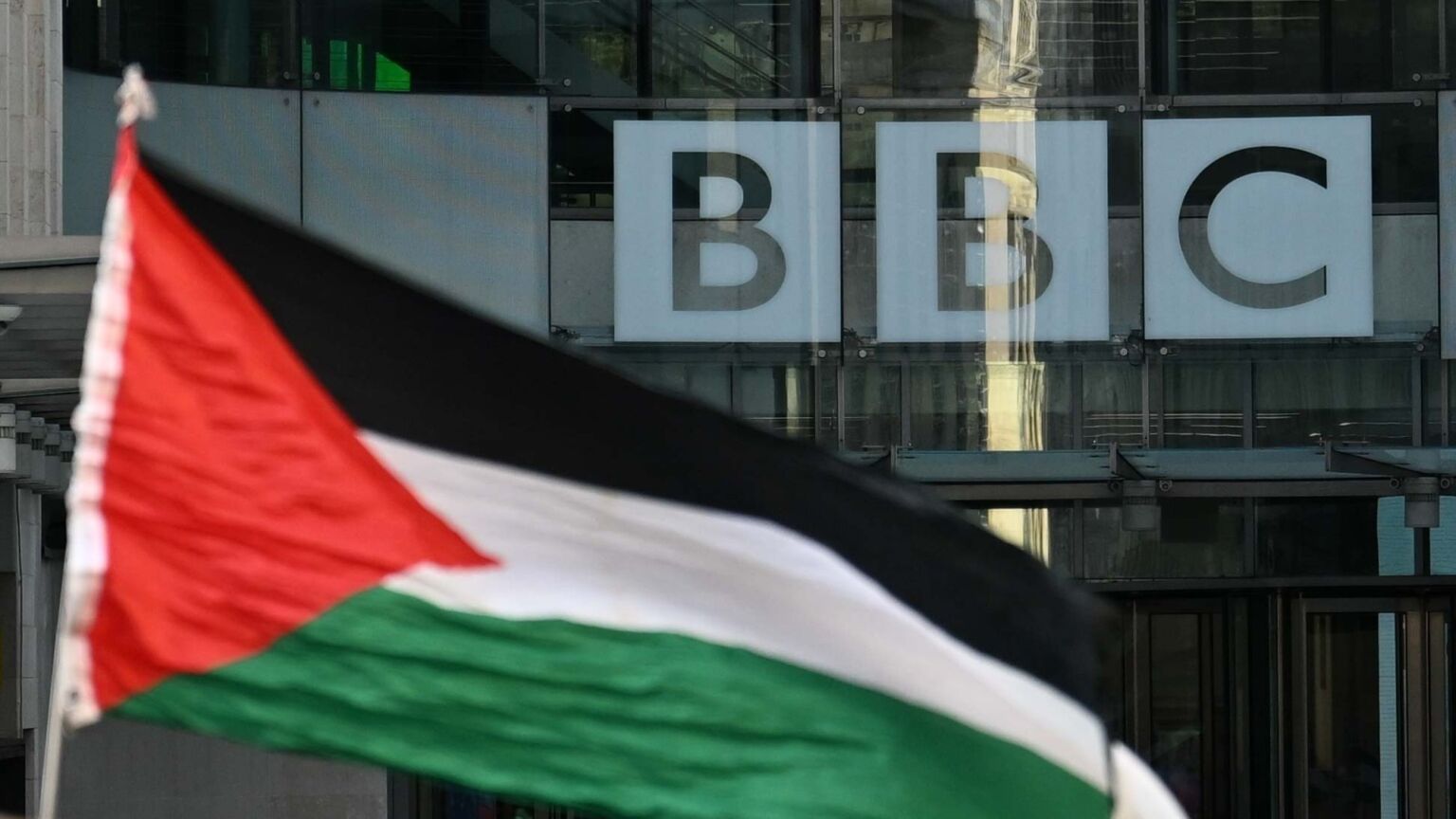
BBC Faces Scrutiny Over Alleged Editorial Bias Beyond Trump Incident
The recent departure of BBC Director-General Tim Davie and Head of News Deborah Turness following a controversy involving altered footage of Donald Trump’s January 6 speech has opened a wider conversation about alleged systematic bias at the British broadcaster.
While the Trump footage incident—where the BBC edited material to make it appear the former president had explicitly incited the Capitol riot—proved to be the final straw, critics argue this represents just one example of a deeper problem at the corporation.
An internal memo recently leaked to the Telegraph has brought to light accusations of persistent bias in BBC coverage of Israel and Jewish issues, particularly through its BBC Arabic service. Media analysts suggest this alleged pattern of reporting may have far-reaching implications beyond a single editorial mistake.
The leaked document details multiple instances of what it describes as problematic coverage. According to the memo, BBC Arabic provided minimal reporting on Israeli suffering after the October 7 Hamas attacks while dedicating substantial space to statements from Hamas and Hezbollah. The service allegedly characterized Hamas terror attacks as “military operations” and offered limited coverage of Israeli hostage deaths.
More troubling accusations include claims that BBC Arabic published unverified information, such as Iranian and Syrian assertions that Israel had staged attacks as pretexts for military action against Hezbollah. The memo also alleges the service provided platforms to journalists who had previously expressed support for terrorist activities, misrepresenting them as “eyewitnesses” in public statements.
The broader BBC news operation faces criticism as well. The document cites examples of mainstream BBC programming giving “unjustifiable weight” to Hamas casualty figures and propagating contested narratives about conditions in Gaza, including repeating claims about infant mortality rates that had already been debunked.
Media ethics experts note that these allegations, if substantiated, raise serious questions about editorial standards. Former BBC correspondent Richard Sambrook, now a journalism professor at Cardiff University, told this publication: “Trust is the currency of public service broadcasting. Any perception of systematic bias undermines the foundation of the BBC’s relationship with its audience.”
The controversy emerges at a particularly sensitive time, as discussions about antisemitism have intensified globally following the October 7 attacks and subsequent conflict. Jewish community organizations in the UK have long expressed concerns about media representation, with some arguing that unbalanced reporting contributes to rising tensions.
Media monitoring organizations point out that balanced reporting in conflict zones presents unique challenges. Journalists face restricted access, information warfare from multiple sides, and the difficulty of verifying claims in real-time. However, critics maintain that major news organizations have a responsibility to establish rigorous verification protocols, especially regarding emotionally charged conflicts.
What makes this situation particularly noteworthy is the BBC’s response. When presented with the evidence compiled in the memo, BBC leadership reportedly dismissed many of the concerns. This response has fueled further criticism that the broadcaster is unwilling to address potential blind spots in its coverage.
The BBC has long maintained that impartiality remains its core value. In previous statements, the corporation has emphasized its commitment to fair coverage and pointed to its editorial guidelines that require balanced reporting. However, this latest controversy adds to growing calls for greater transparency and accountability in how these guidelines are implemented.
Media analysts suggest that the BBC’s handling of this issue will have implications beyond the UK’s national broadcaster, potentially influencing how other news organizations approach reporting on complex international conflicts. As public debate continues about the role and responsibilities of journalism in polarized times, the BBC faces the challenge of rebuilding trust while maintaining its global reputation for news delivery.
Fact Checker
Verify the accuracy of this article using The Disinformation Commission analysis and real-time sources.

10 Comments
The BBC’s reputation for balanced coverage has long been a source of pride, so these allegations are quite serious. I hope the corporation conducts a thorough, transparent review to address any systemic biases that may have crept into its reporting.
Absolutely. The BBC must demonstrate its commitment to impartial journalism, especially on such a polarizing geopolitical issue. Regaining public trust will require decisive action and a clear roadmap for improvement.
While I’m not surprised by the accusations, I’m hopeful the BBC will conduct a thorough review and make necessary reforms. Maintaining journalistic integrity should be their top priority, even if it means confronting uncomfortable truths about past coverage.
This is a concerning development that deserves close scrutiny. The BBC’s global influence means it must be held to the highest standards of impartial reporting, especially on sensitive geopolitical issues like the Israeli-Palestinian conflict. A credible, independent investigation is warranted.
I agree. The BBC’s commitment to unbiased journalism is central to its credibility. Any evidence of systematic bias, even if inadvertent, must be addressed swiftly and transparently. Restoring public trust should be the top priority.
It’s disheartening to see allegations of editorial bias at the BBC. As a global news leader, they must uphold the highest standards of journalistic integrity. This situation warrants a rigorous independent investigation to uncover the facts and chart a path forward.
The BBC’s coverage of the Israeli-Palestinian conflict is closely watched around the world. These claims of bias, if true, could seriously undermine the corporation’s credibility. Transparency and accountability will be crucial in restoring public confidence.
I agree. The BBC must take swift action to address these allegations and demonstrate its commitment to balanced, fact-based reporting. Anything less risks further erosion of trust in the organization.
This raises concerning questions about potential media bias in BBC’s coverage of the Israeli-Palestinian conflict. Impartial reporting is crucial, especially on such a sensitive geopolitical issue. The leaked memo seems to suggest a troubling pattern that merits further investigation.
I agree, the alleged minimization of Israeli suffering while amplifying Hamas and Hezbollah statements is quite troubling if true. Maintaining journalistic integrity and neutrality should be a top priority for a respected outlet like the BBC.