


Listen to the article
In 1934, Nazi Germany’s Nuremberg rally became the stage for what would become one of history’s most contentious propaganda films. “Triumph of the Will,” directed by Leni Riefenstahl, has since sparked decades of debate over the intersection of artistic achievement and moral responsibility.
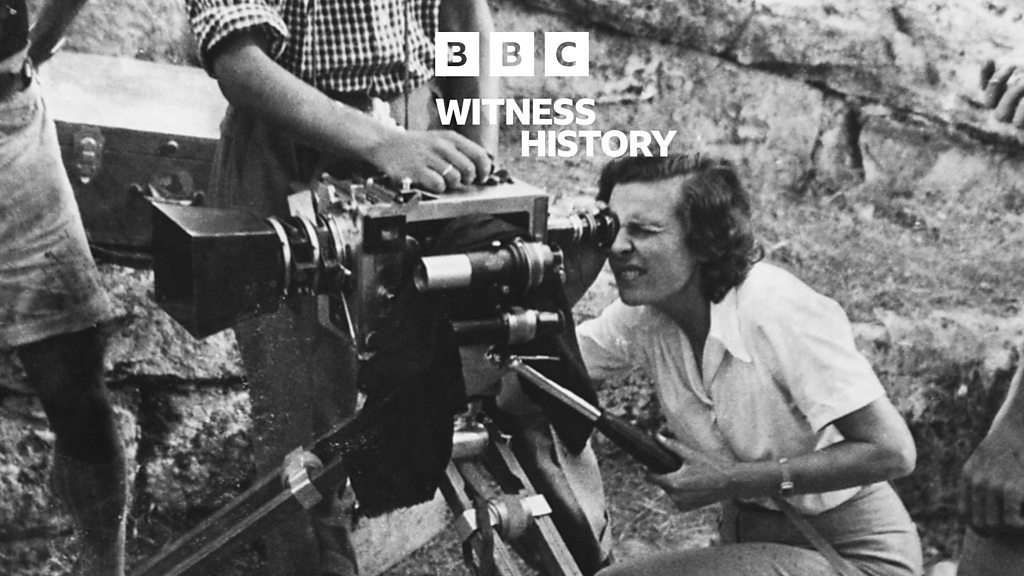
The two-hour film, commissioned by Adolf Hitler himself, captured four days of elaborately staged Nazi pageantry. Riefenstahl’s innovative techniques—dramatic camera angles, long-focus lenses capturing emotional close-ups of adoring crowds, and dynamic shots from moving vehicles—revolutionized documentary filmmaking. These technical achievements have led some film historians to recognize her work as groundbreaking despite its abhorrent subject matter.
Riefenstahl, often described as Hitler’s favorite filmmaker, enjoyed unprecedented access and resources for the production. The Nazi leadership understood the power of cinema as a propaganda tool, and the Nuremberg rally itself was meticulously choreographed not just as a political gathering but as a cinematic spectacle designed to showcase the regime’s power and supposed popular support.
The film’s legacy remains deeply problematic. While some critics have attempted to separate Riefenstahl’s technical brilliance from the film’s content, many historians and cultural critics argue this distinction is impossible. “Triumph of the Will” deliberately portrayed Hitler as a messianic figure and the Nazi movement as Germany’s salvation—mythology that helped normalize and strengthen a regime that would soon orchestrate the Holocaust and plunge Europe into war.
After World War II, Riefenstahl maintained that she was merely an artist documenting events, not a Nazi propagandist. This defense has been widely rejected by scholars who point to the film’s clear propagandistic intent and Riefenstahl’s close relationship with Nazi leadership. Her career never fully recovered from this association, though she lived until 2003, reinventing herself as a photographer and documentary filmmaker.
The BBC archives contain numerous interviews and accounts of those who witnessed the filming or who later studied its impact. Jane Wilkinson has curated these materials to provide deeper context about both the technical creation of the film and its devastating cultural impact.
The Nuremberg rally film represents just one story among many featured in the BBC’s “Witness History” series, which brings historical moments to life through firsthand accounts and archival material. For nine minutes daily, the program transports listeners across time and geography, examining pivotal moments that shaped our world through the perspectives of those who experienced them directly.
Recent episodes of “Witness History” have covered diverse subjects ranging from technological milestones like the development of Excel spreadsheets and breaking the sound barrier to cultural touchstones such as the creation of the cartoon rabbit Miffy.
The series also profiles influential historical figures, documenting moments like the pivotal Geneva meeting between Ronald Reagan and Mikhail Gorbachev during the Cold War, the artistic contributions of Haitian singer Emerante de Pradines, and Omar Sharif’s iconic entrance in “Lawrence of Arabia.”
Beyond well-known historical events, “Witness History” uncovers surprising stories that might otherwise be forgotten—the invention of a life-saving medical stent, the formation of the G7 economic alliance, and the unusual underwater cabinet meeting held by Maldives ministers to highlight climate change threats. The program covers a broad spectrum from World War II accounts to space exploration milestones and significant moments in Black history.
The story of “Triumph of the Will” serves as a powerful reminder of how art can be weaponized for propaganda and how technical brilliance cannot be divorced from moral purpose—lessons that remain relevant in today’s media environment.
Fact Checker
Verify the accuracy of this article using The Disinformation Commission analysis and real-time sources.

7 Comments
Fascinating history of how the Nazis weaponized film as a propaganda tool. It’s a complex legacy – on one hand, Riefenstahl’s technical innovations were groundbreaking, but the subject matter and Nazi patronage are extremely disturbing. Does the film have any historical or artistic value despite its origins?
While Riefenstahl’s filmmaking techniques were pioneering, it’s difficult to separate that from the reprehensible ideology she was promoting. The Nazis cynically exploited the emotional power of cinema to legitimize their rule. This raises challenging questions about the responsibilities of artists, even in service of a regime’s agenda.
Riefenstahl’s innovations in documentary filmmaking were groundbreaking, but the fact that she chose to wield that talent in service of Nazi propaganda is profoundly troubling. The legacy of ‘Triumph of the Will’ forces us to grapple with difficult questions about the role of art and artists in society.
The Nazis understood the power of media to shape public perception, and ‘Triumph of the Will’ stands as a prime example of that. Riefenstahl’s technical skills were undoubtedly impressive, but the moral implications of creating such effective propaganda for an abhorrent regime are inescapable. How do we reckon with this complex legacy?
The Nazis understood the power of media and spectacle to shape public perception. Riefenstahl’s work was undeniably skilled, but the moral implications of creating such effective propaganda for an abhorrent regime are deeply troubling. How can we grapple with the artistic merits while condemning the message?
Riefenstahl’s technical mastery is undeniable, but her work for the Nazis casts a long, dark shadow. Can we ever fully divorce the artistic merit of a film from the moral stain of the ideology it was created to amplify? This is a complex issue without easy answers.
While Riefenstahl’s filmmaking techniques were groundbreaking, the fact that she chose to apply them in service of Nazi propaganda is deeply concerning. The legacy of ‘Triumph of the Will’ forces us to confront challenging questions about the relationship between art, politics, and moral responsibility.