


Listen to the article
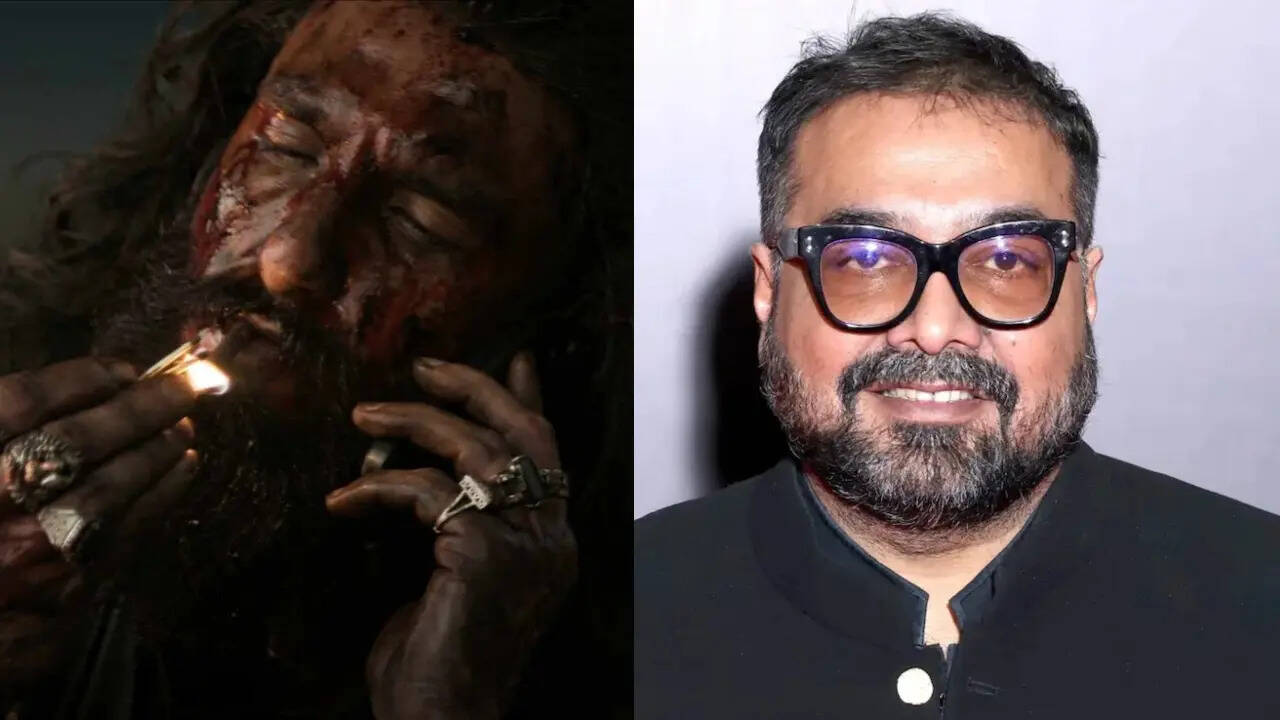
A veteran Bollywood filmmaker sparked controversy this week with his candid assessment of the patriotic spy thriller that has dominated Indian box office charts for the past month.
In a detailed critique that has since gone viral across social media platforms, the director highlighted what he considers fundamental requirements for espionage storytelling while pointing out specific elements he found problematic in the film.
“A spy can not be a spy if he doesn’t have hate and angst against the enemy state. A soldier also can not be a soldier if he doesn’t have angst against the enemy state. On those two counts, I have no issues,” the filmmaker stated in his review.
His analysis comes at a time when nationalist themes in Indian cinema have seen a significant resurgence, with several high-budget productions centered around military conflicts and cross-border tensions becoming commercial successes in recent years.
The filmmaker specifically took issue with two particular dialogue sequences in the film. The first features actor R. Madhavan delivering the line, “Ek din aisa aayega jab desh ke bare me koi sochega” (A day will come when someone will think about the country). The second occurs in the film’s finale when the lead actor proclaims, “Ye naya India hai” (This is new India).
These lines, according to the reviewer, detracted from what he otherwise considered exceptional filmmaking. “Take those two aside, it’s a good film. In fact, a brilliant film that is entirely set in Pakistan,” he concluded.
The critique has ignited debate within Indian film circles about the fine line between patriotism and jingoism in contemporary cinema. Industry analysts note that patriotic films have become a reliable commercial formula in recent years, particularly those focusing on India-Pakistan relations or military operations.
Film trade experts point out that such productions typically perform well in single-screen theaters across India’s heartland regions and have become a staple of holiday release schedules. The trend reflects broader shifts in audience preferences and the commercialization of nationalist sentiments.
The filmmaker’s remarks also highlight the ongoing challenge facing directors and writers who attempt to create nuanced portrayals of complex geopolitical relationships while satisfying audience expectations for clear heroes and villains.
This particular film, notable for being shot entirely in locations designed to represent Pakistan, follows a growing trend of productions that recreate neighboring countries within India due to practical filming restrictions.
Cinema scholars have observed that Indian spy thrillers often follow established genre conventions that emphasize patriotic zeal as a character motivation, making the filmmaker’s comments about the necessity of “hate and angst” particularly relevant to ongoing discussions about character development in the genre.
The review has gained additional attention for its willingness to praise the film’s artistic merits while simultaneously critiquing specific elements of its nationalist messaging, a balanced perspective that stands out in an increasingly polarized media landscape.
As the film continues its successful theatrical run, this critique raises important questions about creative choices in political storytelling and the responsibilities filmmakers face when addressing sensitive geopolitical themes for mass entertainment.
Industry watchers will be monitoring whether this high-profile assessment influences future productions in the genre or sparks more nuanced approaches to patriotic storytelling in mainstream Indian cinema.
Fact Checker
Verify the accuracy of this article using The Disinformation Commission analysis and real-time sources.

10 Comments
Kashyap’s review highlights the need for more diverse perspectives in the Indian film industry. Exploring the complexities of national identity through multiple lenses can lead to richer storytelling.
Absolutely, a diversity of voices and interpretations is essential for a balanced discourse on such sensitive topics.
Interesting perspective from Anurag Kashyap on the propaganda elements in the popular film ‘Dhurandhar’. It’s good to see filmmakers critically analyzing nationalist narratives in cinema.
I agree, it’s important to have nuanced discussions around the portrayal of patriotism and national identity in media.
It’s refreshing to see a prominent director like Anurag Kashyap openly critiquing the nationalist messaging in a popular film. His willingness to challenge the status quo is commendable.
I agree, his analysis demonstrates the importance of maintaining a critical eye and not simply accepting nationalist narratives at face value.
The dialogue sequences Kashyap highlighted do seem to have an overt nationalist tone. It will be valuable to see if the film’s producers respond to his critique.
Agreed, the director’s willingness to call out perceived propaganda is commendable. It will be interesting to see how the discourse evolves.
While patriotic themes can resonate with audiences, it’s crucial that filmmakers avoid heavy-handed messaging. Kashyap’s analysis raises important questions about balance and objectivity in such portrayals.
Well said. Maintaining a critical eye on nationalist narratives in media is vital, especially when they become commercially successful.