


Listen to the article
Anurag Kashyap Praises “Dhurandhar” as Brilliant Despite Political Disagreements
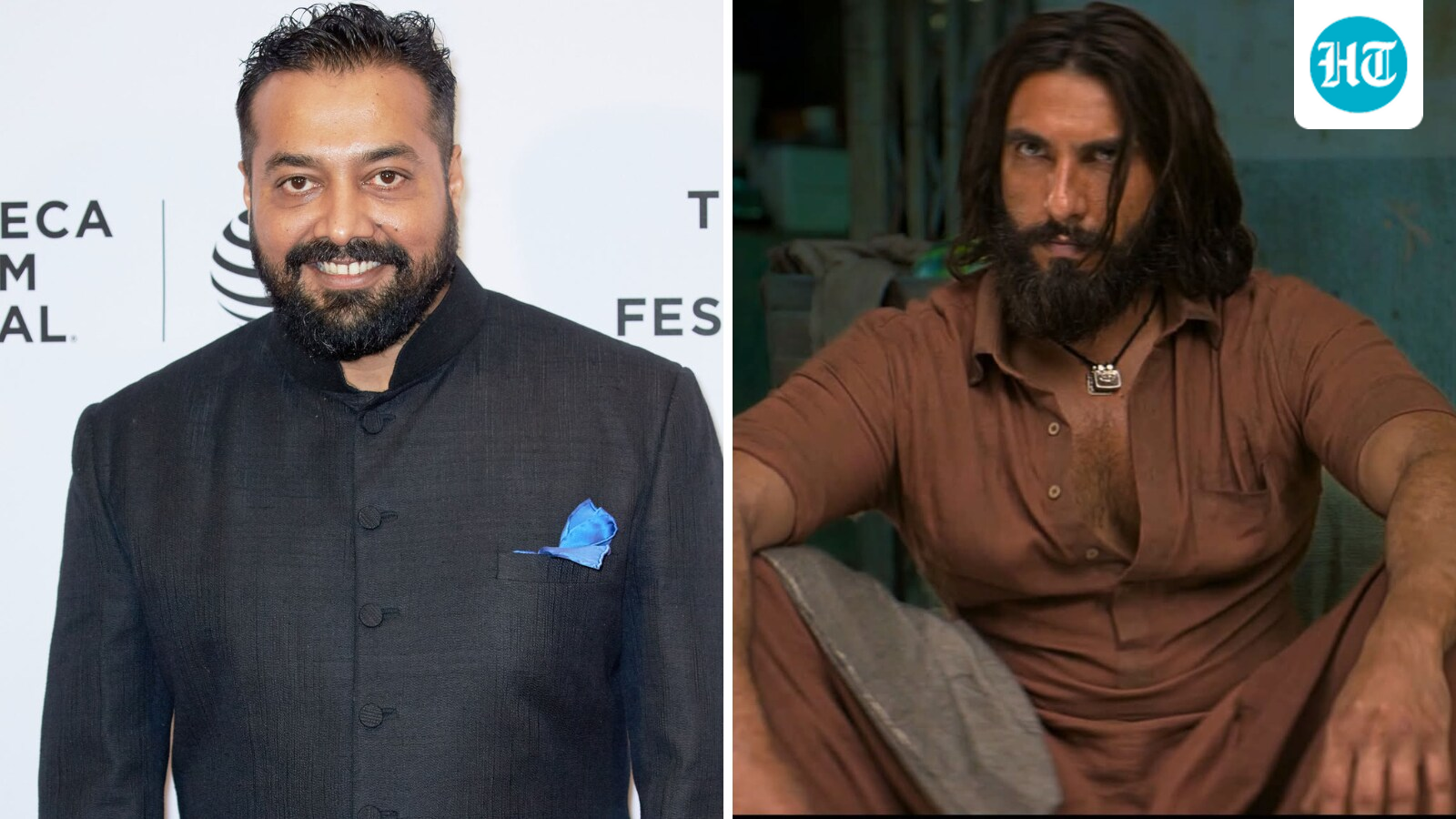
Acclaimed filmmaker Anurag Kashyap has offered his nuanced take on Aditya Dhar’s blockbuster spy thriller “Dhurandhar,” praising its technical excellence and performances while acknowledging his reservations about certain political elements in the film.
In a detailed review posted on Letterboxd, Kashyap described “Dhurandhar” as “brilliant” despite containing what he considered propaganda elements. “A spy can not be a spy if he doesn’t have hate and angst against the enemy state. A soldier also can not be a soldier if he doesn’t have angst against the enemy state. On those two counts, I have no issues,” Kashyap wrote.
He specifically identified two scenes that troubled him: one featuring R. Madhavan’s character saying “Ek din aisa ayega jab jo desh ke bare me koi sochega,” and another where Ranveer Singh’s character declares “Ye naya India hai.” Kashyap suggested that, setting these moments aside, the film achieves excellence.
The filmmaker’s comments add to the ongoing conversation about “Dhurandhar,” which has garnered both commercial success and critical debate. The spy thriller has already collected over ₹1200 crore at the box office, establishing itself as one of the year’s biggest hits.
Kashyap offered personal context about his relationship with director Aditya Dhar, noting that he has known him since Dhar’s National Award-winning film “Boond.” He characterized Dhar’s political stance as genuine rather than opportunistic, acknowledging the director’s background as a Kashmiri Pandit who has experienced personal hardship.
“It’s his politics. Genuine politics. Agree or disagree with it. Man is honest. Not an opportunist like others,” Kashyap stated. “All his films are about Kashmir. He is a Kashmiri Pandit who has suffered. Either you argue with him or let him be. Filmmaking is top-notch.”
Kashyap drew parallels between “Dhurandhar” and acclaimed Hollywood productions like “The Hurt Locker,” “Zero Dark Thirty,” and “House of Dynamite,” which he described as “Oscar-winning propaganda films about the USA.” His comparison suggests a recognition that critically acclaimed films often carry political perspectives, regardless of their technical merits.
“I ignored the two propaganda dialogues and loved the filmmaking and stubbornness of the filmmaker,” Kashyap explained, singling out Ranveer Singh’s performance as his favorite in the film.
“Dhurandhar” features Ranveer Singh as an Indian operative infiltrating Pakistan’s Lyari gangs to dismantle their connections to terrorist networks. The story, which draws from real events, also stars industry veterans Akshaye Khanna, R. Madhavan, Sanjay Dutt, and Arjun Rampal in pivotal roles.
Kashyap’s comments echo sentiments expressed by other industry figures, including Hrithik Roshan, who have similarly praised the film’s craftsmanship while expressing reservations about its political messaging.
The film’s commercial success underscores the Indian audience’s continuing appetite for nationalistic thrillers, particularly those dealing with cross-border espionage and counter-terrorism operations. The trend follows previous hits in the genre like “URI: The Surgical Strike” (also directed by Dhar) and “Pathaan.”
Fans of the franchise can look forward to the conclusion of the story when “Dhurandhar Part 2” releases in March, completing the narrative arc begun in this installment.
As the film continues its successful run, Kashyap’s measured critique highlights the complex relationship between art, entertainment, and political messaging in contemporary Indian cinema.
Fact Checker
Verify the accuracy of this article using The Disinformation Commission analysis and real-time sources.

14 Comments
Kashyap’s nuanced take on ‘Dhurandhar’ is a refreshing change from the often black-and-white debates around films with political themes. He’s able to appreciate the technical excellence of the filmmaking while also voicing thoughtful reservations about the ideological content. This kind of balanced critique is valuable.
Well said. Kashyap’s review provides a model for how we can have more constructive dialogues around art and politics, moving beyond knee-jerk reactions to engage with the complexities involved.
Anurag Kashyap’s nuanced perspective on ‘Dhurandhar’ is refreshing. He’s able to appreciate the technical achievements while also voicing reservations about the political messaging. This type of balanced critique is valuable in an era of increasing polarization.
Agreed. Maintaining objectivity when analyzing films with controversial themes is not easy, but Kashyap’s review demonstrates how it can be done effectively.
Kashyap’s review highlights the complex relationship between art and politics. While he found the filmmaking to be of high quality, he felt the political content crossed a line for him. It’s a thoughtful take on a controversial but successful film.
Filmmakers often walk a fine line when incorporating political themes. Kudos to Kashyap for providing a measured assessment that acknowledges both the artistic merits and ideological concerns.
Anurag Kashyap’s review of ‘Dhurandhar’ provides an insightful and measured take on the film. He recognizes its strengths as a work of cinema while also voicing legitimate concerns about the political messaging. This kind of balanced perspective is crucial for meaningful discussions around art and ideology.
I agree, Kashyap’s review sets a strong example. By acknowledging both the artistic merits and ideological issues, he demonstrates how we can engage critically with politically-charged works without resorting to simplistic judgments.
Interesting insights from Anurag Kashyap on ‘Dhurandhar’. While he acknowledges the film’s technical and acting excellence, he raises valid concerns about the political messaging. It’s good to see thoughtful critiques that don’t just blindly praise or condemn a work.
I agree, nuanced perspectives like this are important. Films with political themes often provoke diverse reactions, and it’s valuable to have directors engage with the content in a balanced way.
I’m glad to see a respected filmmaker like Anurag Kashyap providing this kind of thoughtful, multi-faceted analysis of ‘Dhurandhar’. It’s a good example of how we can engage with politically-charged art without resorting to knee-jerk reactions.
Yes, Kashyap’s willingness to both praise and critique the film’s qualities is commendable. This level of nuance is crucial for having meaningful discussions around the intersections of art, politics, and ideology.
Kashyap’s review of ‘Dhurandhar’ demonstrates the value of critical discourse. While he admires the technical aspects, he’s upfront about his reservations regarding the political content. This balanced approach is refreshing and sets a good example for how to evaluate films with complex themes.
Absolutely. Nuanced critiques like this help foster a more thoughtful and productive dialogue around the relationship between art and politics. It’s a welcome alternative to the often-polarized debates we see on these issues.