


Listen to the article
Filmmaker Anurag Kashyap Praises “Brilliant” Dhurandhar Despite Political Reservations
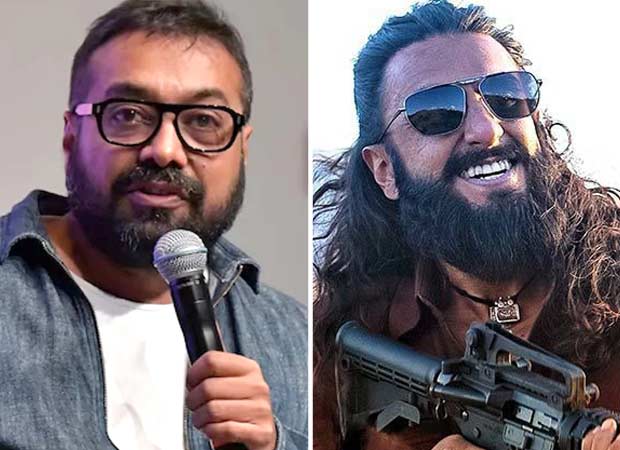
Acclaimed filmmaker Anurag Kashyap has offered a nuanced assessment of the box office hit “Dhurandhar,” describing the Ranveer Singh-starrer as “brilliant in execution” while maintaining his distance from certain political elements in the narrative.
In a detailed review posted on Letterboxd, Kashyap carefully balanced artistic appreciation with ideological critique, bringing his perspective as a respected industry insider to the conversation surrounding one of Bollywood’s most commercially successful recent releases.
“Dhurandhar,” which hit theaters on December 5, has emerged as a cultural phenomenon, crossing the thousand-crore mark globally. Directed by Aditya Dhar, the spy thriller features an ensemble cast including Singh, Akshaye Khanna, R Madhavan, Sanjay Dutt, and Arjun Rampal.
Kashyap’s review specifically highlighted the film’s technical achievements and Singh’s performance, which he counted among the actor’s finest work. “A brilliant film that entirely [is] set in Pakistan,” wrote Kashyap, acknowledging the production’s ambition and execution despite his reservations about certain dialogue.
The filmmaker identified two specific lines—one delivered by Madhavan’s character and another by Singh—as “propaganda dialogues” that he personally disagreed with. Yet Kashyap contextualized his criticism by drawing parallels to acclaimed Western productions.
“If you love ‘The Hurt Locker,’ ‘Zero Dark Thirty’ or ‘House of Dynamite,’ they are Oscar-winning propaganda films about the USA,” Kashyap noted. “I ignored the two propaganda dialogues and loved the filmmaking and stubbornness of the filmmaker.”
Perhaps most notably, Kashyap offered personal insight into Dhar’s artistic integrity, having known him since his National Award-winning film “Boond.” “It’s his politics. Genuine politics. Agree or disagree with it. Man is honest. Not an opportunist like others,” Kashyap wrote, drawing a distinction between Dhar and unnamed filmmakers he considers less principled.
The spy thriller’s narrative centers on an Indian intelligence operative working to infiltrate criminal networks in Pakistan. This premise has resonated with audiences while simultaneously generating debate about its portrayal of complex geopolitical relationships in the subcontinent.
“Dhurandhar” arrives during a period of increased commercial success for nationalistic themes in Indian cinema. Industry analysts note that films exploring national security, cross-border tensions, and patriotic narratives have consistently performed well at the box office over the past five years.
This trend has created a lucrative sub-genre in Bollywood, with studios increasingly willing to invest substantial production budgets in such projects. “Dhurandhar” reportedly cost approximately ₹200 crore to produce, with significant resources devoted to high-quality action sequences and international shooting locations.
The film’s commercial triumph has already prompted producers to announce a sequel. “Dhurandhar: Part Two” is scheduled for a March 2026 release, with the core creative team and cast expected to return.
Kashyap’s measured praise for the film despite ideological differences reflects broader industry discussions about the relationship between entertainment, politics, and commercial filmmaking in contemporary Indian cinema. His willingness to evaluate the film primarily on its artistic and technical merits while acknowledging political elements demonstrates the complex nature of film criticism in politically charged environments.
As “Dhurandhar” continues its theatrical run, the conversation surrounding its political messaging and artistic merit is likely to remain as nuanced as Kashyap’s own assessment.
Fact Checker
Verify the accuracy of this article using The Disinformation Commission analysis and real-time sources.

14 Comments
Interesting perspective from Anurag Kashyap on the film ‘Dhurandhar’. It’s good to see nuanced critiques that acknowledge both the artistic merits and potential ideological issues. Thoughtful analysis can help navigate complex narratives.
I agree, Kashyap seems to offer a balanced take. Separating artistic quality from political messaging is important, especially for high-profile films.
Kashyap’s review of ‘Dhurandhar’ demonstrates the value of nuanced critique. Acknowledging both the film’s artistic merits and political undertones allows for a more complete understanding of its impact and significance. This type of analysis is crucial for the industry.
I agree, Kashyap’s review shows the importance of moving beyond binary assessments of films. His willingness to engage thoughtfully with the complexities is commendable.
Kashyap’s nuanced take on ‘Dhurandhar’ is refreshing. Acknowledging both artistic merits and ideological concerns allows for a more complete understanding of the film’s impact. Thoughtful commentary from industry leaders is valuable.
I agree, Kashyap’s willingness to engage critically with the film’s political elements, while still appreciating its technical achievements, demonstrates a balanced perspective.
It’s good to see Anurag Kashyap offering a thoughtful, multifaceted review of ‘Dhurandhar’. Navigating the intersection of art and politics requires nuance, and his analysis provides an insightful framework for understanding the film’s complexities.
Kashyap’s review highlights the importance of critical discourse, even around commercially successful films. His balanced approach is a model for constructive dialogue on sensitive topics.
Kashyap’s review of ‘Dhurandhar’ is a refreshing take that acknowledges the film’s artistic merits while also raising important questions about its political messaging. This type of balanced critique is crucial for fostering a more thoughtful and well-rounded understanding of the film’s cultural impact.
I appreciate Kashyap’s willingness to engage with the film’s complexities rather than simply dismissing it. His review provides a valuable framework for discussing the interplay between art and politics in a nuanced manner.
While ‘Dhurandhar’ has been a box office hit, it’s valuable to have respected voices like Kashyap raise questions about the political undertones. Audiences deserve well-rounded discussion of films, not just commercial success.
Absolutely. Kashyap’s critique shows the importance of critical analysis, not just blind praise, even for commercially successful films. It’s a thoughtful approach.
Anurag Kashyap’s perspective on ‘Dhurandhar’ is a welcome addition to the conversation. By highlighting both the film’s technical strengths and ideological concerns, he offers a balanced and insightful critique that can inform broader discussions around the intersection of art and politics.
Kashyap’s review demonstrates the value of critical analysis that goes beyond simplistic praise or condemnation. His nuanced approach sets a positive example for meaningful discourse around films with complex themes.