


Listen to the article
Controversy Swirls as Reet Padda Labels “Dhurandhar 2” as Propaganda Film
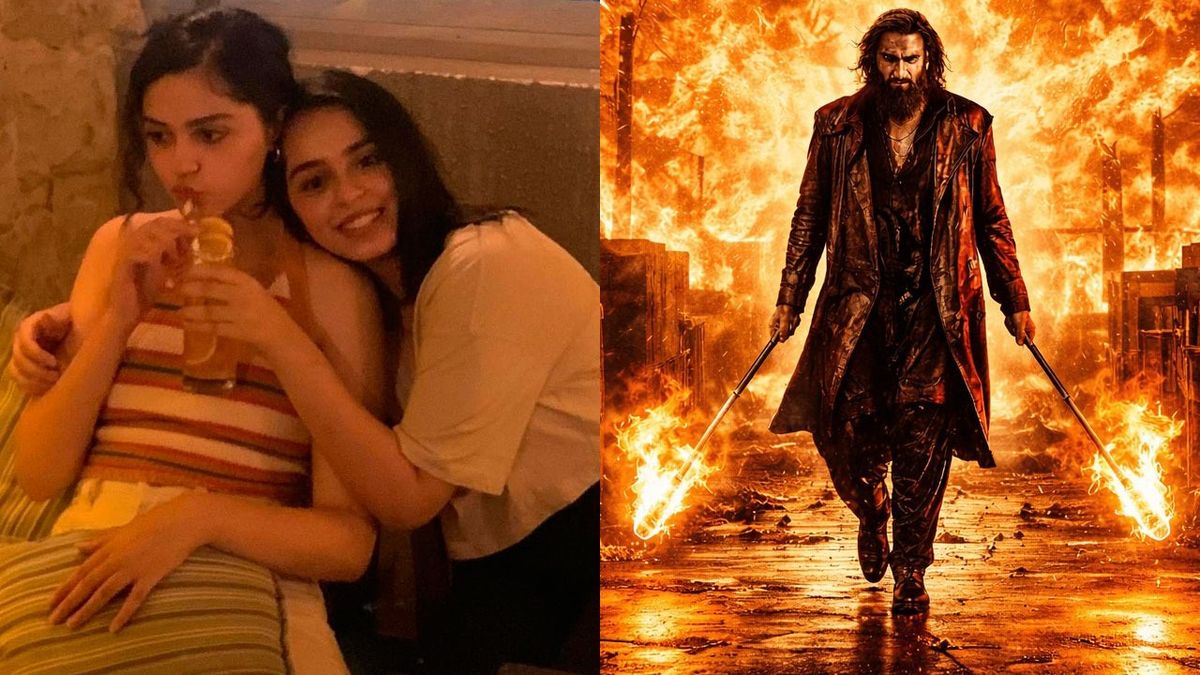
A new controversy has erupted within Bollywood circles after Reet Padda, sister of “Saiyaara” actress Aneet Padda, publicly criticized the blockbuster film “Dhurandhar 2,” calling it “propaganda” and questioning its underlying messaging.
In a pointed social media post that quickly gained traction across platforms, Reet expressed concerns about what she perceived as political undertones in the Ranveer Singh-starrer. Her critique extended beyond just “Dhurandhar 2,” as she drew parallels with other controversial films like “The Kashmir Files” and “The Kerala Files,” suggesting a pattern of narrative-shaping within the industry.
“These films aren’t just entertainment—they’re carefully crafted to influence public perception in specific directions,” Reet reportedly stated in her viral post, which included screenshots that have since been widely shared across social media.
The controversy deepened when Reet broadened her critique to include global star Priyanka Chopra, whom she called out for maintaining silence on what she described as serious issues. Using strong terminology like “illegal war,” Reet urged influential celebrities to leverage their platforms for speaking up on contentious matters rather than remaining silent.
The timing of these comments is particularly significant as “Dhurandhar 2” continues to enjoy tremendous commercial success at the box office. The film, which serves as a sequel to the popular original, has been breaking collection records since its release, recently surpassing its predecessor’s second Friday earnings.
Industry analysts note that this controversy highlights the increasingly politicized nature of film reception in India’s current climate. “What we’re seeing is the evolution of film criticism beyond artistic merit into the realm of political messaging,” says media analyst Rajiv Mehta. “High-budget commercial films are increasingly scrutinized not just for entertainment value but for their potential influence on public opinion.”
The film had already faced similar allegations from political figures before Reet’s comments. Several opposition politicians had previously raised questions about the timing of the release and its narrative choices, though these claims were refuted by the filmmakers who maintained that their work was purely entertainment-driven.
The response to Reet’s comments has been sharply divided along ideological lines. Supporters praise her courage for speaking against what they perceive as manipulative storytelling, while critics accuse her of attempting to undermine a commercially successful film for political reasons.
Notably, Aneet Padda has remained silent regarding her sister’s controversial statements. The young actress, who gained recognition through her performance in “Saiyaara,” has not addressed the matter publicly, choosing to maintain distance from the growing debate.
Film industry veterans point out that this controversy reflects the broader tension within Bollywood about the responsibilities of filmmaking in politically charged times. “Cinema has always been political to some degree,” notes veteran director Mahesh Kapoor. “The difference now is that the audience is much more aware of and vocal about the subtexts.”
“Dhurandhar 2” continues to perform strongly despite—or perhaps partly because of—the controversy. The film’s production team has not directly addressed Reet Padda’s comments, focusing instead on celebrating its box office achievements.
This incident joins a growing list of controversies where entertainment and political discourse have become increasingly intertwined in India’s cultural landscape, raising important questions about artistic freedom, responsible filmmaking, and the role of cinema in shaping public discourse.
As the debate continues to unfold online, industry observers suggest this controversy may actually extend the film’s cultural relevance beyond its theatrical run, ensuring “Dhurandhar 2” remains a topic of discussion in both entertainment and political circles for weeks to come.
Fact Checker
Verify the accuracy of this article using The Disinformation Commission analysis and real-time sources.

5 Comments
This is a complex issue without any easy answers. I can understand Reet’s perspective, but I’d also be curious to hear the filmmakers’ side of the story. Is there truly a pattern of narrative-shaping, or are these just individual creative visions? It’s an important debate.
You make a fair point. It’s important to avoid jumping to conclusions and to seek out balanced information from multiple sources. A nuanced discussion is needed to fully understand the dynamics at play.
Interesting controversy around this film. It’s good to see Reet Padda speaking up about the potential political messaging. While films can certainly influence public perception, it’s important to maintain a critical eye and consider multiple perspectives.
I agree, it’s valuable to have open discussions about the social and political implications of popular media. Reet raises some valid concerns that are worth further examination.
Reet’s criticism of Priyanka Chopra’s silence on these issues is an interesting angle. As public figures, celebrities do have a level of social responsibility. However, it’s also complex, as they may have various personal and professional considerations. This debate raises important questions about the role of the entertainment industry.