


Listen to the article
The territorial dispute between Ukraine and Russia continues to be a major obstacle in peace negotiations, as President Donald Trump attempts to mediate an end to the conflict that has ravaged the region since 2022.
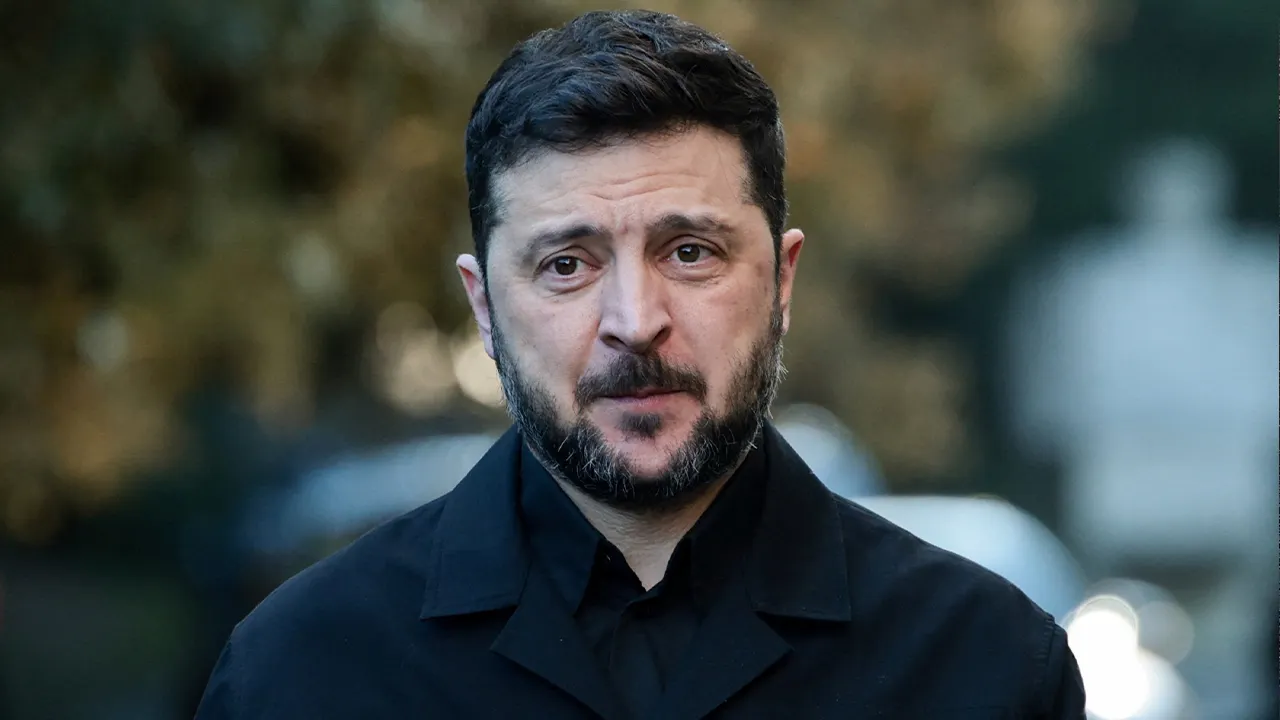
In a recent interview with Fox News’ Bret Baier on “Special Report,” Ukrainian President Volodymyr Zelenskyy expressed optimism following his Sunday meeting with Trump at Mar-a-Lago, suggesting that a peace deal with Moscow could be within reach.
“Even with one question today, we’ve been very close,” Zelenskyy told Baier. “I think we have a problem with one question: It’s about territories.”
This territorial impasse has remained central to the ongoing conflict, with Russian Foreign Minister Sergei Lavrov recently insisting that Western powers must acknowledge Russia’s battlefield advantage. Since the war’s inception, Zelenskyy has strongly resisted ceding territory currently held by Russian forces.
In a potential compromise, Zelenskyy has indicated Ukraine might consider withdrawing from the Ukrainian provinces of Donetsk, Luhansk, Kherson, and Zaporizhzhia—regions that Russia seeks to annex—but only if Ukrainian voters approve such a move through a referendum.
“I think the compromise, if we do a free economic zone that we have, and we have to move some kilometers back. It means that Russia has to make minor steps some kilometers back,” Zelenskyy explained. “This free economic zone will have specific rules. Something like this referendum is the way how to accept it or not accept it.”
Despite this apparent willingness to negotiate, Zelenskyy expressed deep skepticism about Russian President Vladimir Putin’s intentions. “I don’t trust Putin. He doesn’t want success for Ukraine,” Zelenskyy stated bluntly. “I believe he can say such words to President Trump… but it’s not true really.”
The diplomatic efforts come amid a backdrop of continued hostilities. Just before Zelenskyy’s meeting with Trump, Russia launched an attack on Kyiv. Moscow also claimed that Putin’s home in the Novgorod region was targeted by a Ukrainian drone attack overnight, an allegation Ukraine has denied.
These recent diplomatic developments follow Trump’s phone conversation with Putin, during which both leaders reportedly agreed on the necessity of reaching a deal to end what has become Europe’s longest war in eight decades. After meeting with Trump, Zelenskyy claimed they had reached 90% agreement on a draft 20-point peace plan, even as Moscow shows little indication of softening its territorial demands.
Trump’s mediation efforts represent a significant diplomatic initiative for his administration, attempting to resolve a conflict that has had far-reaching implications for global security, energy markets, and geopolitical alliances. The war has reshaped European security architecture and prompted unprecedented Western sanctions against Russia.
The question of territorial sovereignty remains particularly complex in the Ukrainian context. The regions Russia seeks to annex—Donetsk, Luhansk, Kherson, and Zaporizhzhia—have significant industrial and agricultural importance, as well as strategic value. Russia has held portions of these areas since 2014, with additional territory seized during the full-scale invasion that began in 2022.
For Ukraine, territorial concessions carry profound national security implications and would establish a troubling precedent in international relations regarding forcible border changes. Zelenskyy’s suggestion of a referendum acknowledges the need for democratic legitimacy in any territorial compromise.
As negotiations continue, the human cost of the conflict mounts daily. Thousands of civilian and military casualties have been reported on both sides, with millions of Ukrainians displaced from their homes. Infrastructure damage across Ukraine has been extensive, with critical energy, transportation, and housing facilities severely impacted.
Whether Trump’s diplomatic efforts can bridge the seemingly insurmountable gap between Ukrainian sovereignty claims and Russian territorial ambitions remains to be seen in the coming weeks.
Fact Checker
Verify the accuracy of this article using The Disinformation Commission analysis and real-time sources.

13 Comments
The Trump-Zelenskyy meeting appears to have helped move the process forward, even if a final deal remains elusive. It will be crucial for all parties to show flexibility and compromise to end this devastating conflict. The people of Ukraine have suffered greatly and deserve a lasting peace.
Absolutely. Both sides need to put the interests of the Ukrainian people first and find a solution that restores Ukraine’s territorial integrity while addressing Russia’s security concerns. Continued dialogue and good-faith negotiations are the only path forward.
It’s encouraging to see progress in the peace negotiations, but the territorial disputes remain a major stumbling block. A compromise that respects Ukraine’s sovereignty and the will of its people would be the best path forward. Continued dialogue and good-faith efforts from all sides are essential.
This conflict has dragged on for far too long, and the human toll has been devastating. While a peaceful settlement is the ultimate goal, the territorial issues remain a significant hurdle. I hope the parties involved can find a solution that balances Ukraine’s sovereignty with Russia’s security concerns.
Zelenskyy’s openness to a referendum on the disputed territories is an intriguing idea, but the implementation and safeguards would be critical. Ensuring the vote is truly free and fair, and that the outcome respects the will of the Ukrainian people, should be the top priority.
The Trump-Zelenskyy meeting seems to have provided a glimmer of hope, but the details of any potential peace deal will be crucial. Maintaining Ukraine’s territorial integrity while addressing Russia’s security concerns is a delicate balance that will require statesmanship and compromise from all sides.
Zelenskyy’s openness to a referendum on ceding the disputed territories is an interesting proposal, but it will be crucial to ensure that such a vote is free, fair, and truly reflects the will of the Ukrainian people. Safeguarding Ukraine’s sovereignty and territorial integrity should be the top priority.
Zelenskyy’s willingness to consider a referendum on ceding the contested regions is a potentially constructive idea, but the details and implementation would be critical. Maintaining Ukraine’s sovereignty and territorial integrity must be the guiding principle, even as compromises are explored.
The Trump-Zelenskyy meeting seems to have injected some new momentum into the peace process, but the devil will be in the details as they work to resolve the thorny issue of the disputed territories. I hope all parties can put aside their differences and focus on what’s best for the Ukrainian people.
Interesting to hear about the potential progress in the Ukraine-Russia peace negotiations. It seems like the territorial disputes remain a major sticking point, as both sides have entrenched positions. A referendum on ceding those regions could be a compromise, but it’s still a very delicate situation.
This conflict has dragged on for far too long, and the human toll has been immense. While progress is welcome, the territorial disputes remain a major obstacle. I hope all parties involved can find a way to put the needs of the Ukrainian people first and reach a lasting peace settlement.
This conflict has dragged on for too long, and I hope the latest developments signal a genuine willingness to compromise and reach an agreement. The human toll has been immense, and a lasting peace settlement is crucial for the region’s future stability and prosperity.
While progress is welcome, the territorial disputes remain a major obstacle. Both sides will need to show real political courage and leadership to find a mutually acceptable solution. The path to peace is never easy, but the suffering of the Ukrainian people demands that all options be explored.