


Listen to the article
In the past year, controversies surrounding “radical” teachers and administrators at universities across the United States have sparked significant debate about liberal indoctrination on college campuses. Fox News Digital has documented numerous cases where academic staff have pushed far-left agendas, raising concerns from parents’ rights groups.
The reporting highlighted several notable incidents involving university faculty. At the University of Chicago, associate professor Eman Abdelhadi was arrested for aggravated assault during an anti-ICE rally. Abdelhadi later made headlines for comments criticizing former Vice President Dick Cheney following his death.
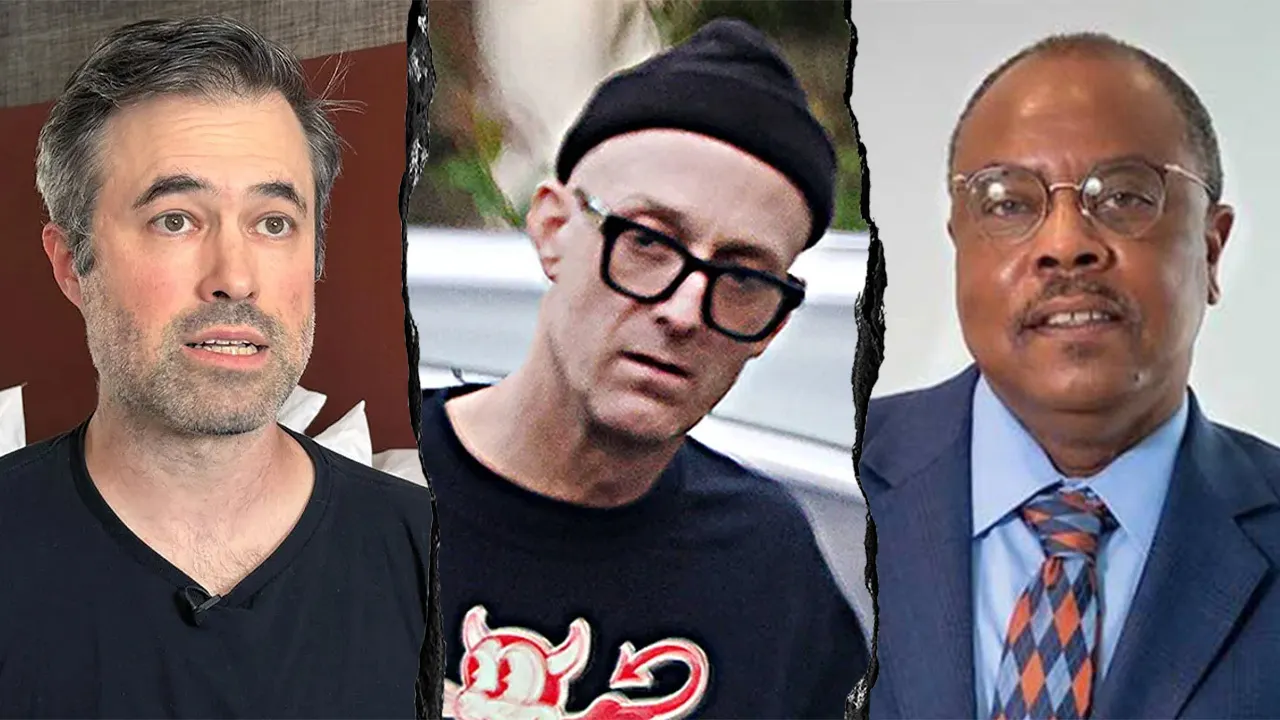
Despite crackdowns on Diversity, Equity, and Inclusion (DEI) initiatives in some states, universities have continued to promote such curricula. A significant case emerged at the University of South Florida, where Dr. Haywood Brown, associate vice president of Academic Affairs, was caught on tape boasting about circumventing Florida’s anti-DEI laws while criticizing state and federal officials, including White House official Stephen Miller. Following this revelation, Brown resigned under pressure from Florida Governor Ron DeSantis.
In another instance at UNC Asheville, Dean of Students Megan Pugh was captured in an undercover video saying, “I love breaking rules,” while describing how DEI practices continued at the school but needed to be kept “quiet.” After the video’s release, the university confirmed Pugh was no longer employed there.
The assassination of conservative leader Charlie Kirk triggered a wave of controversial responses from university professors. At the University of New Hampshire, associate professor Chanda Prescod-Weinstein faced criticism for negative social media posts about Kirk shortly after his death. Similarly, George Washington University administrator Anthony Pohorilak lost his position after posting that Kirk’s murder was “fair.” Additional professors at institutions including the University of Pennsylvania, Fort Hays State University, and Louisiana State University made controversial statements regarding Kirk’s death.
At Howard University, journalism professor Stacey Patton stirred controversy by calling on “white political allies” to emulate John Brown, a historical figure known for violent anti-slavery activism.
Political activism on campuses has extended beyond individual incidents. At Rutgers University, professor Tia Kolbaba signed a petition seeking to remove the school’s Turning Point USA chapter from campus. Meanwhile, the University of Oklahoma took disciplinary action against a professor who failed a student’s essay that referenced Christian beliefs and the Bible.
The reporting also highlighted Rutgers University professor Mark Bray, known as “Dr. Antifa” for his book “Antifa: The Antifascist Handbook,” who is scheduled to teach a history seminar on communism next spring despite controversy surrounding his past statements.
At the University of North Carolina at Chapel Hill, professor Dwayne Dixon, a member of a far-left gun club, was temporarily placed on administrative leave but later reinstated after an investigation found “no basis to conclude that he poses a threat.”
In Chicago, during a “No Kings” protest against President Trump, a staff member from Wilbur Wright College was recorded calling for violence against federal immigration agents, resulting in the termination of their employment.
Most recently, leaked PowerPoint presentations from University of Illinois Urbana-Champaign professor Gabriel Rodriguez’s first-year education course revealed what critics describe as extreme left-wing bias on topics including illegal immigration, race, and gender.
These incidents collectively highlight ongoing tensions between academic freedom, political activism, and institutional policies at universities nationwide, contributing to broader debates about the role of higher education in American society.
Fact Checker
Verify the accuracy of this article using The Disinformation Commission analysis and real-time sources.

9 Comments
While I’m generally supportive of academic freedom, I do think there need to be clear boundaries around promoting political agendas, especially if they violate state laws. Universities should strive for intellectual diversity and open discourse, not indoctrination.
Well said. Upholding academic integrity and remaining non-partisan should be the top priorities, even if it means pushing back against ideological biases on either side of the political spectrum.
Interesting to see how the debate around academic freedom and political ideology on university campuses continues to be a hot-button issue. I wonder if there are legitimate concerns about indoctrination, or if this is more political posturing.
You raise a fair point. It’s a complex topic with valid arguments on both sides. Reasonable people can disagree on where to draw the line between academic freedom and political bias.
The case of Dr. Haywood Brown at the University of South Florida seems particularly concerning, if the reporting is accurate. Circumventing state laws around DEI initiatives is a serious allegation.
I agree, that is quite troubling if true. Transparency and adherence to the law should be expected from university administrators, regardless of their personal views.
These controversies highlight the delicate balance universities must strike between fostering open discourse and preventing political indoctrination. It’s a challenging issue without easy solutions, but upholding principles of academic freedom and integrity should be the guiding light.
The arrest of Professor Eman Abdelhadi is concerning, though we’d need more details to fully assess the situation. Academics should be able to engage in peaceful protest without fear of legal consequences, as long as they’re not crossing clear lines.
I’m curious to know more about the specific incidents and comments made by these academic figures. Are there any primary sources or unbiased analyses available to better understand the context and nuance of these controversies?