


Listen to the article
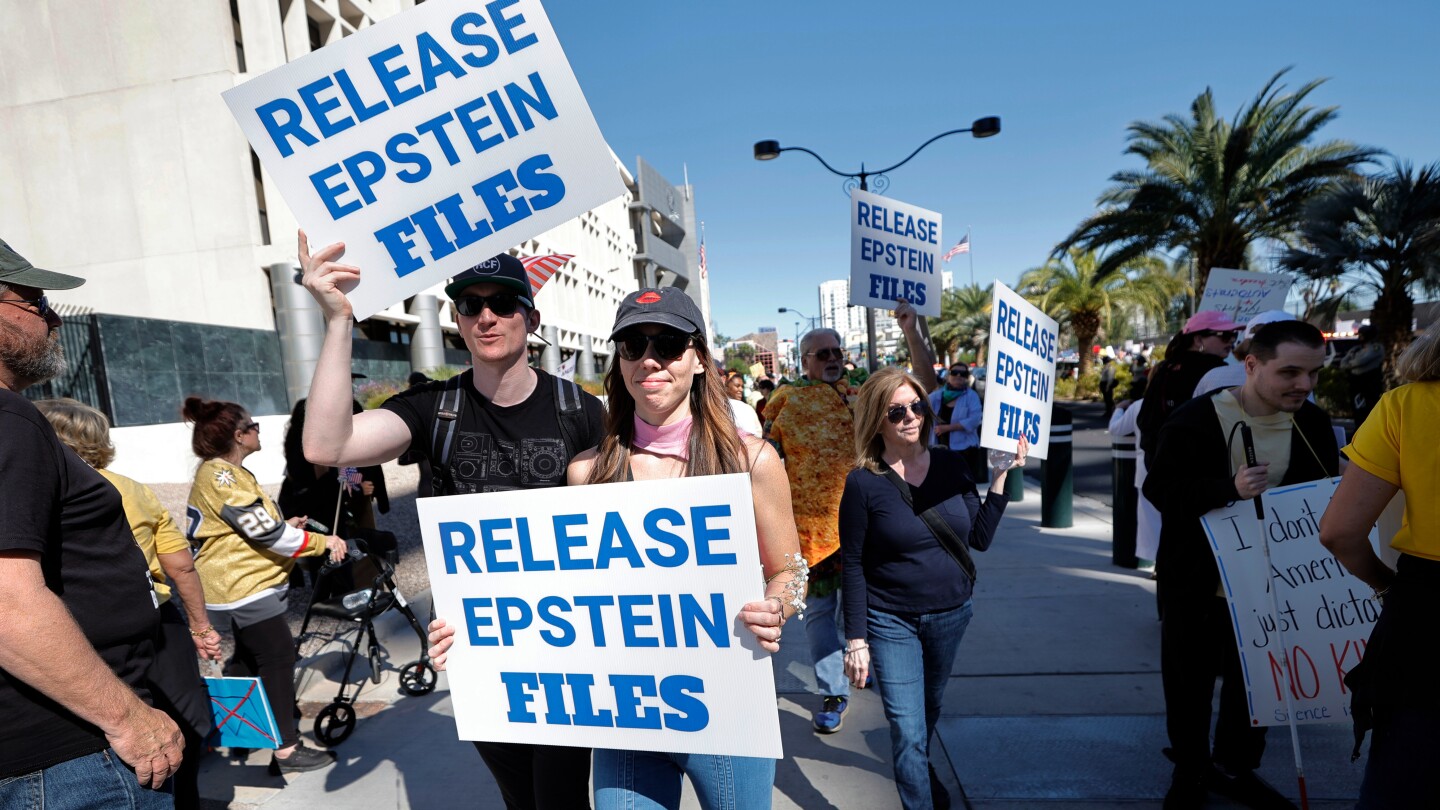
The House of Representatives is set to vote next week on legislation that would release files related to Jeffrey Epstein’s sex trafficking investigation, following months of resistance from Republican leadership. The vote comes after a petition supporting the bill reached the required 218 signatures, forcing House leadership to bring it to the floor.
The push for transparency gained momentum as new documents have emerged raising questions about Epstein’s connections to powerful figures. Among these is a 2019 email from Epstein to a journalist claiming that President Donald Trump “knew about the girls.” The White House has responded by accusing Democrats of selectively leaking these emails to damage the Republican president’s reputation.
Public interest in Epstein’s case has remained intense for years, particularly regarding his connections to wealthy and influential individuals including Trump, former President Bill Clinton, tech executives, and prominent academics.
The bipartisan Epstein Files Transparency Act was introduced by Representatives Ro Khanna, a California Democrat, and Thomas Massie, a Kentucky Republican. The petition to force a vote received support from all House Democrats and four Republicans: Massie, Lauren Boebert of Colorado, Marjorie Taylor Greene of Georgia, and Nancy Mace of South Carolina.
The petition reached the crucial threshold of 218 signatures on Wednesday when newly sworn-in Democratic Representative Adelita Grijalva of Arizona added her name. Following this development, Speaker Mike Johnson announced he would expedite the petition process, bringing the bill to a vote early next week.
Johnson has rejected accusations that he obstructed the legislation to protect Trump or others. He told reporters that Republicans had concerns about the bill’s language, which he claimed did not adequately protect victims. Johnson has also pointed to the ongoing Epstein investigation by the House Oversight and Government Reform Committee, which recently released thousands of pages of documents.
The legislation would compel the Justice Department to release all files and communications related to Epstein, as well as information about the investigation into his death in federal custody. While the bill allows for redactions to protect victims’ identities and ongoing federal investigations, it specifically prohibits withholding information due to “embarrassment, reputational harm, or political sensitivity” for government officials, public figures, or foreign dignitaries.
With the support of everyone who signed the petition, the bill is expected to pass the House. It may also gain additional Republican votes now that it’s advancing to the floor. Representative Don Bacon, a Nebraska Republican who didn’t sign the petition, has indicated he plans to support the bill.
The legislation faces a more challenging path in the Senate, where Republicans hold a 53-47 majority. It would likely require 60 votes to advance to final passage. Senate Majority Leader John Thune has been noncommittal about taking up the bill, stating in September that he “can’t comment on that at this point.” Thune also noted that the Justice Department “has already released tons of files related to this matter” and expressed confidence in their handling of the information while protecting victims’ rights.
If the measure passes both chambers, it would go to President Trump, who has strongly opposed the discharge petition and would likely veto it. On Wednesday, Trump reached out to two Republicans who had signed the petition and posted on his Truth Social platform: “The Democrats are trying to bring up the Jeffrey Epstein Hoax again because they’ll do anything at all to deflect on how badly they’ve done on the Shutdown, and so many other subjects. Only a very bad, or stupid, Republican would fall into that trap.”
A presidential veto would require a two-thirds vote in both the House and Senate to override, something that has happened only twice since 2009. Representative Massie suggested that Trump could avoid this situation entirely by releasing all the Epstein files held by the federal government, adding: “There’s still time for him to be the hero.”
The vote represents a significant moment in the ongoing controversy surrounding Epstein’s case and the persistent questions about who in positions of power may have been involved with or had knowledge of his criminal activities.
Fact Checker
Verify the accuracy of this article using The Disinformation Commission analysis and real-time sources.

9 Comments
As someone who closely followed the Epstein saga, I’m glad to see Congress taking this step. The public deserves answers, and I hope the release of these files can shed new light on the scope of Epstein’s activities and the roles played by various individuals.
The potential connections between Epstein and Trump, Clinton, and other influential figures are deeply troubling. I hope this vote leads to a thorough and unbiased investigation that follows the evidence wherever it leads, without regard for political consequences.
This push for transparency around the Epstein case is long overdue. The public deserves to know the full truth about his connections to powerful figures, regardless of political affiliation. I hope the House vote leads to the release of these critical files.
I have mixed feelings about this. On one hand, I’m glad to see transparency being pushed for. But on the other, I worry that the release of these files could become a political weapon, with each side trying to score points against the other. Ultimately, I hope the focus remains on getting the full truth, no matter where it leads.
This is a complex and sensitive issue, and I’m glad to see Congress taking it seriously. I hope the Epstein Files Transparency Act can lead to a fair and thorough investigation that puts the truth above partisan interests. The public deserves answers, and I’m cautiously optimistic that this vote could be a step in the right direction.
While I’m glad to see momentum building for the release of the Epstein files, I remain cautiously skeptical about whether we’ll ever get the full truth. Powerful people have a lot to lose, and I worry that key information could still be suppressed or buried.
That’s a fair concern. Given the high-profile individuals involved, there may be significant resistance to full transparency. But the public pressure seems to be growing, so I’m hopeful that more of the truth will come to light.
The bipartisan nature of this bill is encouraging. Both Democrats and Republicans seem to recognize the importance of shedding light on Epstein’s activities and the people involved. Hopefully this can be a rare example of cooperation in today’s polarized political climate.
Yes, it’s refreshing to see lawmakers from both parties come together on an issue like this. The public interest in the Epstein case transcends partisan lines, and I’m glad to see Congress responding to that.