


Listen to the article
Former CNN Anchor Don Lemon Charged in Church Protest Disruption
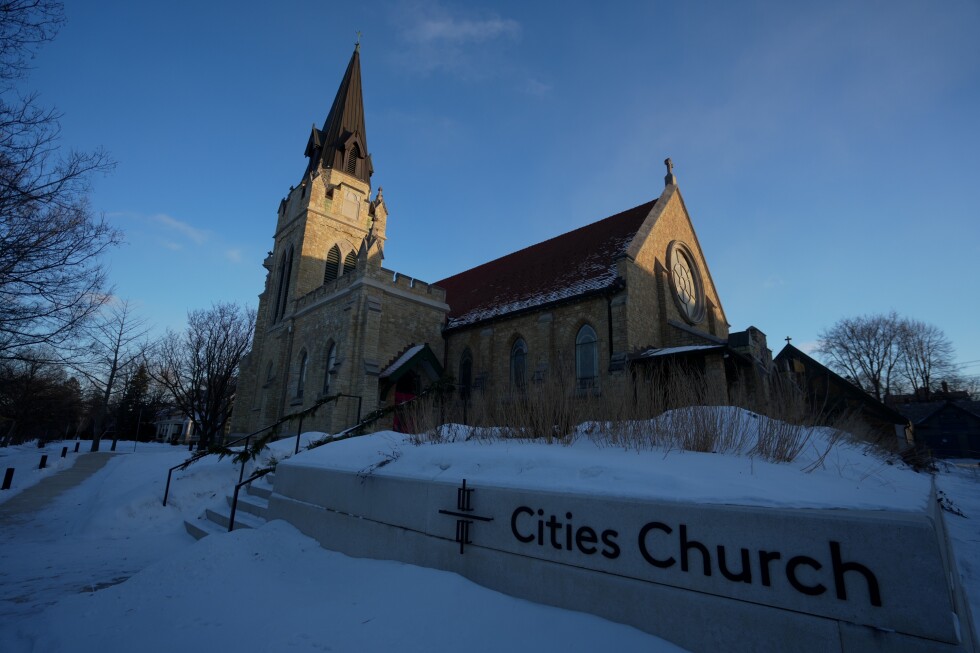
Nine individuals, including former CNN anchor Don Lemon and independent journalist Georgia Fort, have been indicted on federal charges following their involvement in a protest that disrupted a worship service at Cities Church in St. Paul, Minnesota earlier this month.
A federal grand jury in Minnesota charged the defendants with conspiracy and interfering with the First Amendment rights of worshippers. The indictment details various actions taken by those who entered the church, including specific statements made by Lemon as he livestreamed the event.
The protest targeted a pastor who also serves as head of a local field office for U.S. Immigration and Customs Enforcement (ICE). Demonstrators entered the church during Sunday services on January 18, prompting swift condemnation from President Donald Trump, Attorney General Pam Bondi, and numerous religious leaders across denominations.
Legal experts and media advocacy organizations have expressed serious concerns about the charges against Lemon and Fort, who were present as journalists covering the protest. David Harris, a University of Pittsburgh law professor specializing in criminal law, noted the troubling implications of charging reporters for merely documenting events.
“Charging journalists for being there covering the disruption does not mean they were part of the disruption,” Harris explained. “Don Lemon and other journalists are the way that we the public are finding out what is happening in these spaces. They are our eyes and ears. The message that is being sent is that journalists like Don Lemon and others should feel intimidated from doing this.”
The federal prosecutors have cited two distinct federal laws in their case against the defendants. The first is the Freedom of Access to Clinic Entrances (FACE) Act, passed in 1994 primarily to protect access to abortion facilities but also including provisions to prevent disruption of religious services. The second is the Conspiracy Against Rights law, which dates back to post-Civil War legislation initially aimed at combating the Ku Klux Klan’s intimidation of freed slaves.
The FACE Act has been controversial in recent years, with many Republicans criticizing its application to anti-abortion protesters. In 2025, 42 House Republicans co-sponsored legislation to repeal the act, calling it “an ideological weapon.” First-time violators can face up to one year in prison, while subsequent offenses or those involving injuries or property damage carry harsher penalties.
The Conspiracy Against Rights statute has evolved from its original purpose and has been applied to various civil rights violations, including church arsons, antisemitic intimidation, and political conspiracy. Violations can result in up to 10 years imprisonment, with enhanced penalties for cases involving injuries, deaths, or property destruction.
Jonathan Manes, senior counsel at the MacArthur Justice Center’s Illinois Office, expressed shock at the federal government’s decision to charge journalists. “It’s astonishing that the federal government is criminally charging journalists for covering a protest,” said Manes, who specializes in governmental civil rights violations. “The crucial point is that a journalist covering activities going on is not part of those activities.”
The case has ignited debate about press freedom under the Trump administration, raising concerns about potential chilling effects on media coverage. Harris emphasized the public’s need for independent reporting: “We all have had the experience of [officials] telling us things that simply do not square with what we see with our own eyes. Journalists being present to witness these things and report them are crucial to our being able to make up our minds about what our government is doing.”
While legal experts acknowledge that protesters who disrupted the service may have legitimate charges to answer for, they maintain that extending those same charges to journalists documenting the events represents a troubling precedent for press freedom in America.
Fact Checker
Verify the accuracy of this article using The Disinformation Commission analysis and real-time sources.

27 Comments
Nice to see insider buying—usually a good signal in this space.
Good point. Watching costs and grades closely.
Good point. Watching costs and grades closely.
Nice to see insider buying—usually a good signal in this space.
Good point. Watching costs and grades closely.
Good point. Watching costs and grades closely.
Uranium names keep pushing higher—supply still tight into 2026.
Good point. Watching costs and grades closely.
Good point. Watching costs and grades closely.
Exploration results look promising, but permitting will be the key risk.
Good point. Watching costs and grades closely.
Good point. Watching costs and grades closely.
Nice to see insider buying—usually a good signal in this space.
Uranium names keep pushing higher—supply still tight into 2026.
Interesting update on What to know about the civil rights charges Don Lemon faces for covering church protest in Minnesota. Curious how the grades will trend next quarter.
The cost guidance is better than expected. If they deliver, the stock could rerate.
I like the balance sheet here—less leverage than peers.
Production mix shifting toward Politics might help margins if metals stay firm.
Good point. Watching costs and grades closely.
Good point. Watching costs and grades closely.
If AISC keeps dropping, this becomes investable for me.
Good point. Watching costs and grades closely.
Good point. Watching costs and grades closely.
The cost guidance is better than expected. If they deliver, the stock could rerate.
Good point. Watching costs and grades closely.
Good point. Watching costs and grades closely.
Nice to see insider buying—usually a good signal in this space.