


Listen to the article
Americans Divided on U.S. Military Action Against Iran as Concerns Mount
Americans remain sharply divided along partisan lines regarding U.S. military strikes against Iran, with most recent polls indicating greater opposition than support for the conflict. The division comes amid widespread concerns about economic impacts and national security implications as the situation unfolds.
According to a new Quinnipiac Poll conducted over the weekend, approximately 53% of registered voters oppose the military action against Iran, while only 40% express support. Similar findings from Ipsos, The Washington Post, and CNN polls all point to more Americans rejecting the strikes than embracing them. A Fox News poll showed a more even split, with half of registered voters approving and half disapproving of the military action.
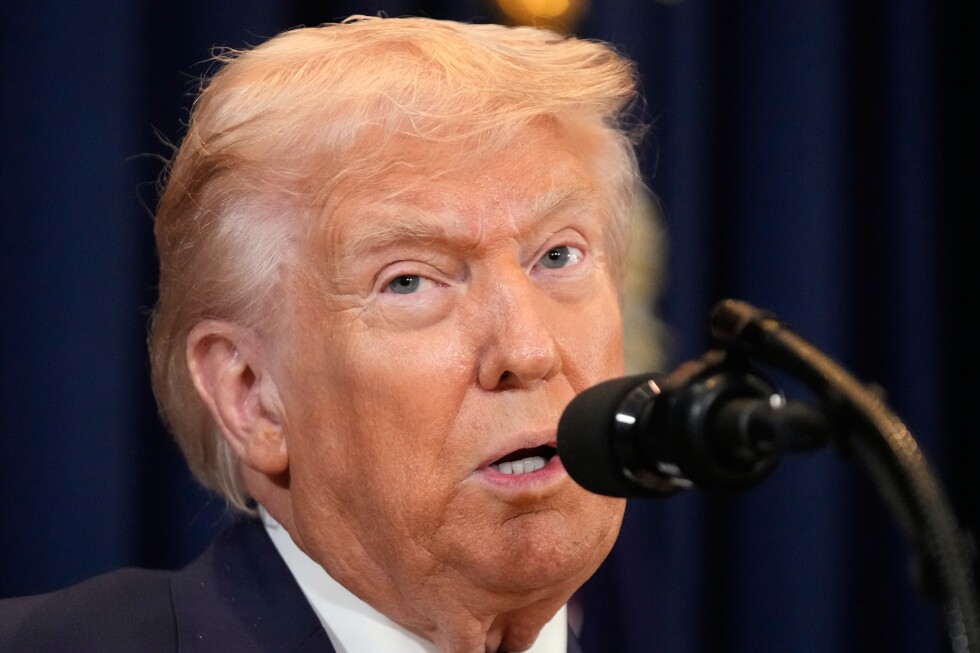
President Donald Trump has sent mixed signals about the conflict’s timeline, suggesting both that it might soon end while simultaneously threatening additional force against Iran if the country disrupts global oil flow. This ambiguity has done little to reassure a skeptical public.
“The administration has not provided a clear explanation of the reasons behind the military strikes,” according to multiple polls, with 55% of Quinnipiac respondents stating they did not believe Iran posed an “imminent military threat” before the current conflict began. However, around 60% of registered voters in the Fox News poll acknowledged Iran represents a “real national security threat,” highlighting the complex perceptions Americans hold about the situation.
Economic concerns loom large in public sentiment. With oil prices fluctuating, an overwhelming majority of voters express worry about rising fuel costs. The Quinnipiac poll found most Americans are “very” or “somewhat” concerned about oil and gasoline prices increasing. While Democrats and independents show the highest levels of concern, approximately half of Republicans share these worries.
The Ipsos poll revealed about two-thirds of Americans expect U.S. gas prices will “get worse” over the next year due to the military action. Even among Republicans, 44% anticipated worsening gas prices compared to just 26% who expected improvement.
National security concerns are equally prominent in public discourse. About half of voters in both Quinnipiac and Fox News polls indicated they believe the U.S. military action makes the country “less safe,” with only about 30% saying it enhanced security. The CNN poll found similar results, with approximately half of U.S. adults believing the strikes would make Iran “more of a threat” to the United States.
Trust in leadership appears to be a significant factor in these assessments. About 60% of U.S. adults reported trusting Trump “not much” or “not at all” to make appropriate decisions regarding the use of force in Iran, according to CNN’s poll. An AP-NORC poll conducted before the strikes similarly found 56% of adults had little to no trust in the president’s military decision-making abroad.
The potential for an expanded conflict remains a major concern across party lines. Approximately three-quarters of voters oppose sending ground troops into Iran, according to Quinnipiac polling conducted after the deaths of six U.S. service members were announced (a seventh casualty was reported later). Even among Republican voters, 52% opposed sending ground troops, compared to 37% who supported such action.
The Trump administration has acknowledged the likelihood of American casualties and has not ruled out deploying soldiers to Iran. Defense Secretary Pete Hegseth recently stated it would be “foolishness” to publicly declare the exact limits of U.S. military involvement.
The Ipsos poll revealed bipartisan concern regarding risks to American military personnel, with about 90% of U.S. adults expressing worry, including 86% of Republicans and 93% of Democrats.
As the conflict continues to develop, these polls suggest Americans remain wary of prolonged military engagement, particularly given President Trump’s previous campaign promises to avoid “forever wars” and prioritize “America first” policies.
Fact Checker
Verify the accuracy of this article using The Disinformation Commission analysis and real-time sources.
