


Listen to the article
Dominion Energy Sues to Block Trump’s Offshore Wind Construction Halt
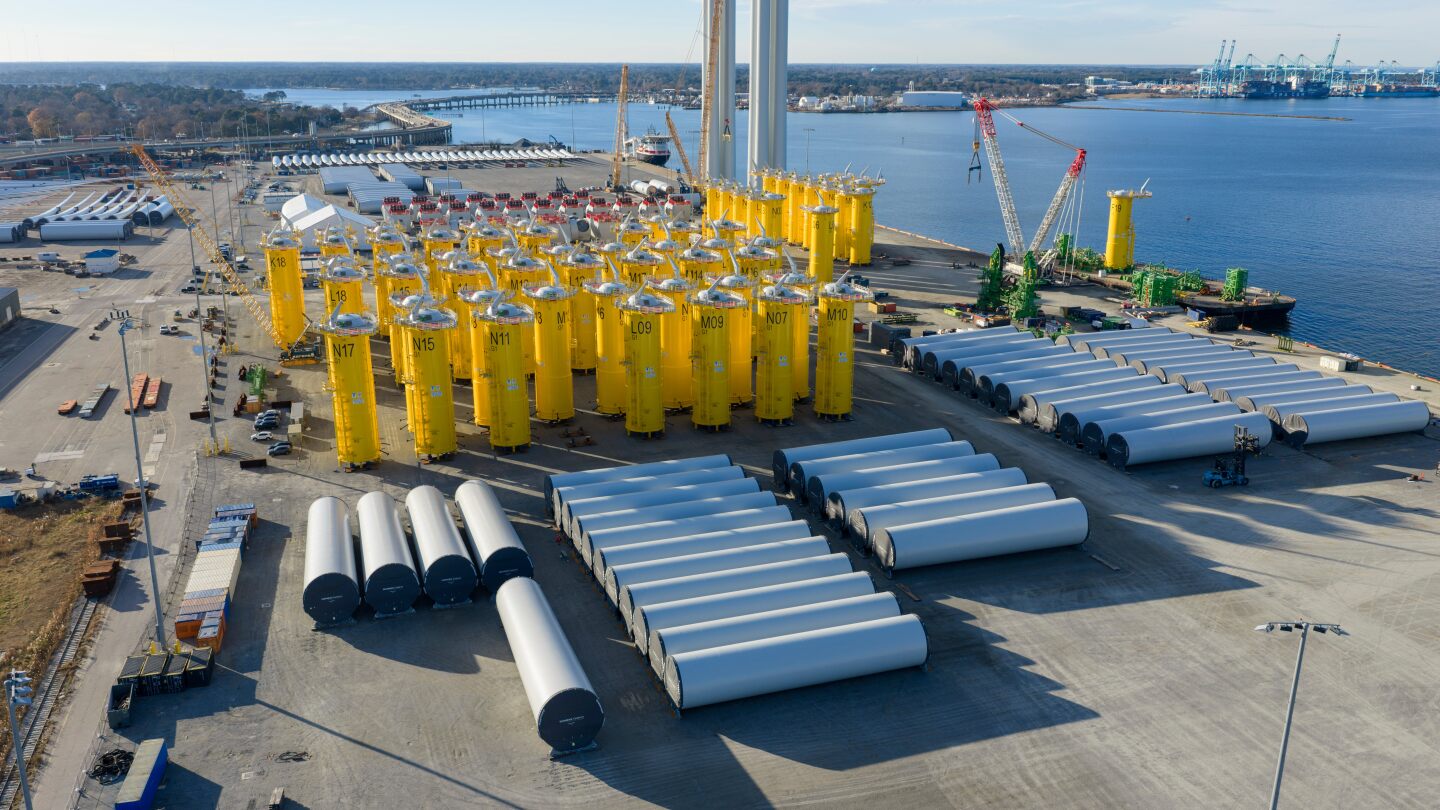
Dominion Energy Virginia has filed a lawsuit challenging a recent Trump administration order that suspended construction of five major offshore wind projects, including their Coastal Virginia Offshore Wind development, citing unspecified national security concerns.
In the legal action filed Tuesday in federal court, Dominion described the government’s order as “arbitrary and capricious” and unconstitutional. The Richmond-based utility emphasized the critical importance of their project in meeting Virginia’s rapidly growing energy demands, particularly from the expansion of data centers throughout the region.
The Interior Department’s Bureau of Ocean Energy Management (BOEM) issued the suspension order Monday without detailing the specific security threats that prompted the action. Officials established a 90-day review period—potentially subject to extension—”to determine whether the national security threats posed by this project can be adequately mitigated.”
The sweeping order affects four other major East Coast offshore wind developments: Massachusetts’ Vineyard Wind, the Revolution Wind project serving Rhode Island and Connecticut, and two New York initiatives—Sunrise Wind and Empire Wind. Democratic governors in the affected states have already voiced strong opposition to what they view as politically motivated interference in clean energy development.
Dominion’s Virginia project, which began construction in early 2024, was scheduled to become operational next year with the capacity to provide electricity to approximately 660,000 homes. The company claims the forced delay is creating financial losses exceeding $5 million daily solely for specialized vessels engaged in round-the-clock construction work. These mounting costs, Dominion warns, will ultimately be passed on to either customers or shareholders.
In court documents, Dominion characterized the suspension as “the latest in a series of irrational agency actions attacking offshore wind and then doubling down when those actions are found unlawful.” The company’s legal team has requested an emergency temporary restraining order, with U.S. District Judge Jamar Walker scheduling a hearing for Monday afternoon.
The dispute represents another chapter in the ongoing tension between the Biden administration’s ambitious offshore wind goals and opposition from the Trump campaign, which has consistently criticized renewable energy expansion. The former president has frequently targeted wind power specifically, making unsubstantiated claims about environmental impacts and economic viability.
Industry analysts note that the timing of the order—coming months before the presidential election—raises questions about political motivations behind the national security justification. The offshore wind sector has already faced numerous challenges including supply chain disruptions, inflation, and rising interest rates that have forced several developers to cancel or renegotiate projects over the past year.
The five affected projects represent some of the most advanced offshore wind developments in the United States and are central to several states’ clean energy and climate goals. Massachusetts, New York, Rhode Island, Connecticut, and Virginia have all incorporated offshore wind generation into their long-term plans to reduce carbon emissions and diversify energy sources.
For Dominion, the Virginia project is particularly significant as the utility works to comply with the Virginia Clean Economy Act, which requires the company to generate electricity from 100% carbon-free sources by 2045. The offshore wind development represents the largest renewable energy project in the utility’s portfolio.
The BOEM has not responded to requests for additional information about the nature of the alleged security threats or the specific mitigation measures being considered during the review period.
Energy market experts suggest that prolonged delays could have broader implications for investor confidence in U.S. offshore wind development, potentially hampering the Biden administration’s goal of deploying 30 gigawatts of offshore wind capacity by 2030—a target already challenged by industry headwinds and regulatory hurdles.
The Associated Press notes that their climate and environmental coverage receives financial support from private foundations, while maintaining full editorial control over content according to established journalistic standards.
Fact Checker
Verify the accuracy of this article using The Disinformation Commission analysis and real-time sources.

8 Comments
I’m curious to see how this lawsuit plays out. The administration will need to provide concrete evidence of national security threats if they want the suspension order to hold up in court. Dominion seems to have a strong case that the decision was politically motivated rather than based on genuine security concerns.
This is an interesting development in the ongoing battle over offshore wind projects. While national security concerns should be taken seriously, the lack of specifics in the administration’s order raises questions about the real motivations behind the move. Dominion seems to have a strong case that the order was arbitrary and unsupported.
I agree, the lack of transparency around the national security justification is concerning. Offshore wind is crucial for meeting renewable energy goals, so any unwarranted delays could have significant impacts.
The expansion of data centers is driving increased energy demands, so Dominion’s offshore wind project appears to be an important part of meeting those needs in Virginia. It’s concerning to see the administration take steps that could undermine renewable energy development, especially without clear rationale.
You raise a good point. Ensuring reliable, sustainable energy sources is critical for supporting the growth of the tech industry and data centers. Blocking offshore wind projects could have wider economic implications.
This is an important test case for the future of offshore wind in the US. While national security is a valid consideration, the lack of transparency from the administration is concerning. I hope the courts will require clear justification before allowing projects to be halted.
I agree, the courts should scrutinize the administration’s rationale very closely. Offshore wind is crucial for reducing emissions and meeting renewable energy goals, so any unwarranted delays could have major environmental and economic consequences.
This is a troubling development that could have far-reaching impacts on the renewable energy sector. I’ll be watching this case closely to see if the administration is able to provide a legitimate national security justification, or if it appears to be a politically-motivated attempt to undermine offshore wind.