


Listen to the article
Virginia Senators Vote to Nearly Triple Their Pay Amid Affordability Focus
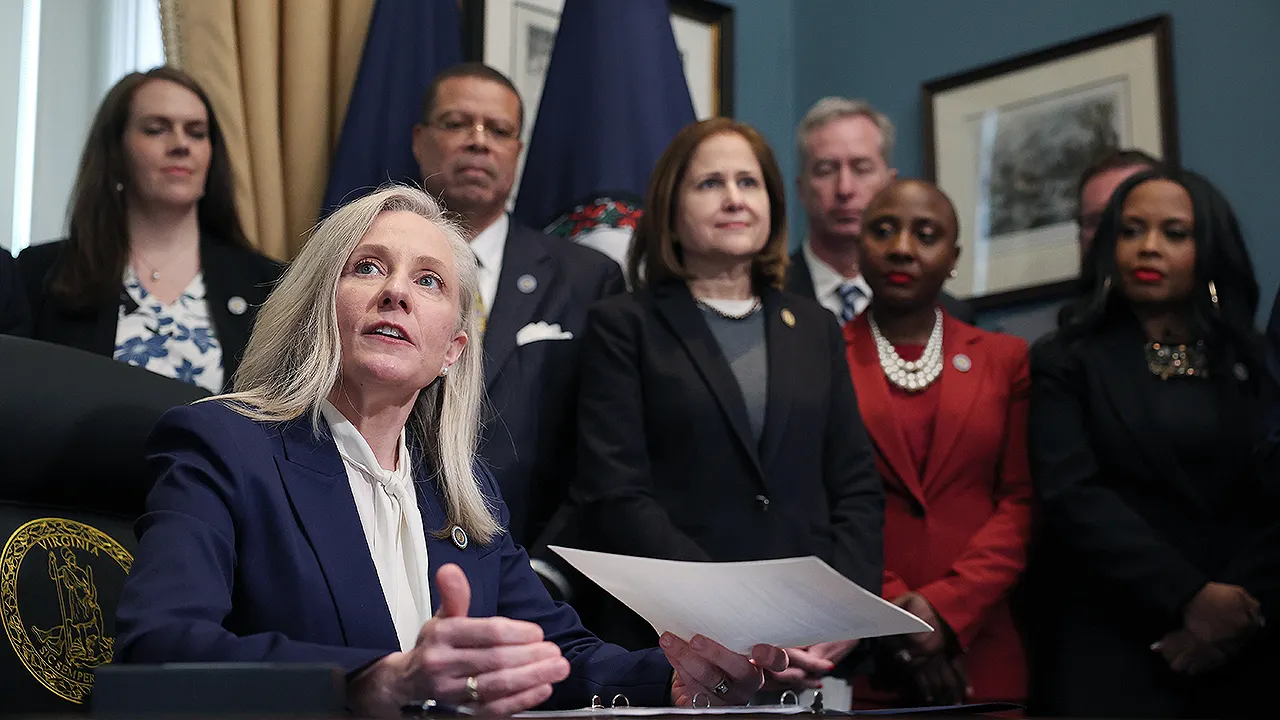
Virginia’s Democratic-controlled State Senate has approved a controversial measure that would increase lawmakers’ salaries from $18,000 to $50,000 annually, a raise of nearly 178 percent. The provision, inserted into the final budget, must still survive reconciliation with the House of Delegates’ budget before potentially reaching Governor Abigail Spanberger’s desk.
The timing of the proposed pay increase has drawn sharp criticism, particularly as Spanberger and her fellow Democrats have made affordability a centerpiece of their political agenda. Since taking office, Spanberger has repeatedly emphasized her commitment to addressing rising costs for Virginia families.
Virginia’s legislature was originally established as a part-time body, with the expectation that lawmakers would maintain their regular professions when not in session. The current salary structure dates back to 1988, with senators earning $18,000 and delegates $17,640 annually. Lawmakers also receive a per diem of $237, mileage reimbursements, and coverage for office and meeting expenses.
Proponents of the salary increase argue that the decades-old compensation structure restricts who can afford to serve in the legislature, effectively limiting representation to those with substantial financial resources or flexible careers.
Republicans have seized on the proposed raise as evidence of Democratic hypocrisy. The Senate Republican Caucus issued a statement noting, “Teachers got a 3% raise, but Democrats give themselves 300%,” though the actual increase would be closer to 178 percent.
“The affordability hoax just gets worse and worse,” the GOP caucus added, highlighting that Democrats had rejected a proposal to repeal the car tax while increasing the overall state budget by $1 billion.
Republican Senator Mark Obenshain from Rockingham County expressed his opposition, stating it is the “wrong time” to address lawmaker pay. “It’s supposed to be affordability for working families across Virginia, not members of the General Assembly,” he told public radio station WVTF.
The criticism is particularly pointed given Spanberger’s recent high-profile speech delivering the Democratic response to President Trump’s State of the Union address. In that nationally televised appearance, Spanberger claimed Republicans were “making your life more expensive” while emphasizing that Democrats are “laser-focused on affordability.”
“I traveled to every corner of Virginia, and I heard the same pressing concern everywhere: costs are too high. In housing, healthcare, energy, and childcare,” Spanberger said in her response. “Americans deserve to know that their leaders are focused on addressing the problems that keep them up at night.”
Virginia’s legislature, which began as the House of Burgesses in colonial Williamsburg, is the oldest continuous legislative body in the Western Hemisphere. Its part-time structure has been a defining characteristic throughout its history.
The fate of the proposed salary increase now rests with budget negotiations between the two chambers. The House of Delegates, also controlled by Democrats, has its own budget priorities, including $137 million for expanded childcare access, a phased minimum wage increase to $15 by 2029, and $20 million for state employees’ and home health care workers’ collective bargaining.
If the House does not include a similar provision in its budget proposal, the salary increase could be removed during reconciliation. Governor Spanberger, who would ultimately need to sign the final budget, has not yet commented publicly on the proposed legislative pay raise.
The debate highlights the ongoing tension between lawmakers’ compensation and their messaging on affordability for ordinary Virginians, an issue likely to remain contentious as budget negotiations continue in Richmond.
Fact Checker
Verify the accuracy of this article using The Disinformation Commission analysis and real-time sources.

10 Comments
An interesting conundrum – raising lawmaker salaries while purportedly addressing affordability issues. I wonder how constituents will view this move and whether it aligns with the stated priorities.
A valid point. The optics of this decision could be challenging, especially if not accompanied by tangible measures to improve affordability for regular Virginians.
It will be interesting to see how this decision plays out politically. Lawmakers will need to carefully balance their own compensation with the pressing needs of their constituents.
That’s a fair point. Effective communication and transparency around the rationale and intended outcomes will be crucial in this process.
While I appreciate the desire to attract and retain talented lawmakers, this pay increase seems quite substantial. I hope the proposed measures to address affordability are equally bold and impactful.
This move raises interesting questions about the role and compensation of part-time versus full-time legislators. I’m curious to see how the public debate around this issue unfolds.
Agreed. The shift from a part-time to a more full-time legislative body could have broader implications that merit careful consideration.
It’s understandable that Virginia lawmakers would want to update their compensation structure, but the timing and scale of this raise may create some political headwinds. Balancing the needs of legislators and constituents will be key.
This pay increase seems quite substantial. I’m curious to learn more about the rationale and whether there are mechanisms in place to ensure accountability and transparency around how the funds are used.
That’s a fair question. The justification for such a sizable raise will likely be closely scrutinized, and public oversight will be crucial.