


Listen to the article
The State Department announced Saturday that the United States is abandoning what it calls “the outdated model of multilateralism,” claiming the current international system has transformed American taxpayers into “the world’s underwriter for a sprawling architecture of global governance.”
The statement follows President Donald Trump’s executive order withdrawing the U.S. from 66 international organizations, which the administration characterized as a definitive end to “the era of writing blank checks to international bureaucracies.”
This sweeping withdrawal represents a significant escalation in Trump’s “America First” policy agenda, which prioritizes cutting expenditures deemed wasteful or contrary to U.S. national interests by his administration.
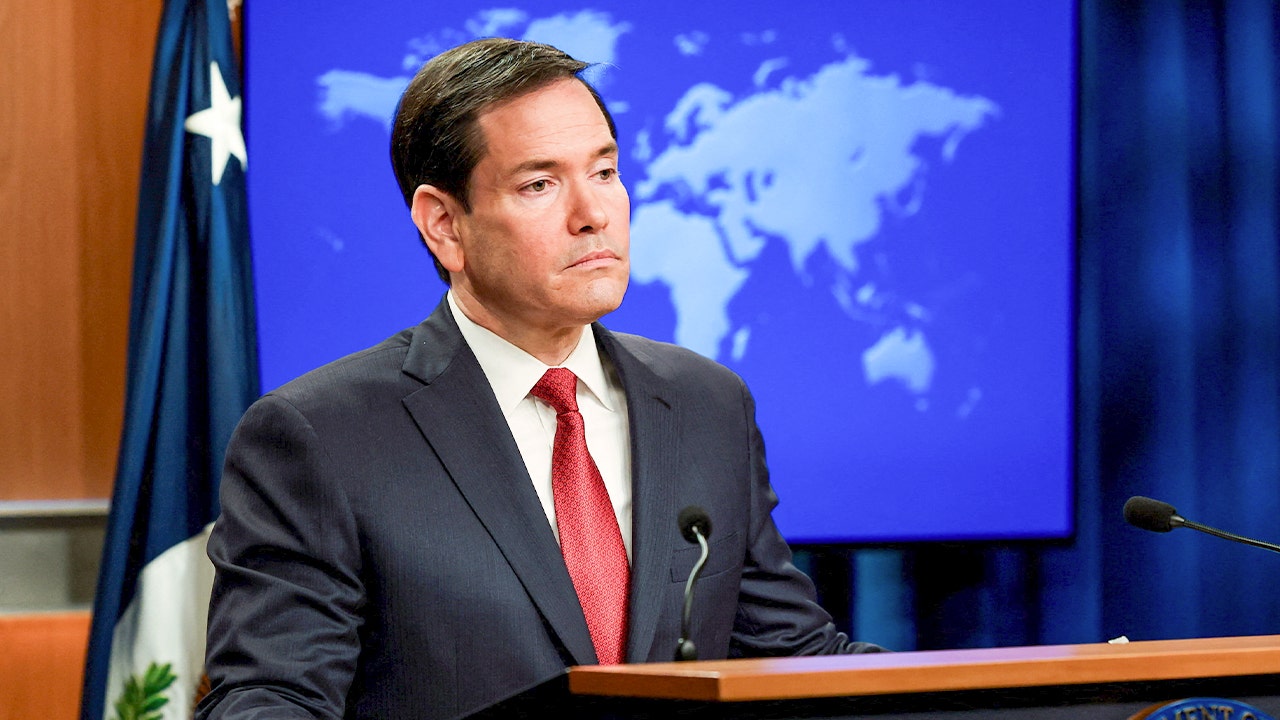
Secretary of State Marco Rubio outlined the administration’s position in a detailed memo published on the State Department’s official Substack. “What we term the ‘international system’ is now overrun with hundreds of opaque international organizations, many with overlapping mandates, duplicative actions, ineffective outputs, and poor financial and ethical governance,” Rubio wrote.
The Secretary’s critique went further, arguing that even organizations that once served useful purposes “have increasingly become inefficient bureaucracies, platforms for politicized activism or instruments contrary to our nation’s best interests.” According to Rubio, these institutions not only fail to deliver results but actively impede those attempting to address global problems.
Rubio emphasized that continuing U.S. participation in these organizations “would be an abandonment of our national duty.” He was careful to note that this withdrawal does not signal American retreat from global leadership, but rather rejection of a multilateral approach the administration views as fundamentally flawed and outdated.
The presidential memorandum, signed Wednesday, directs all executive departments and agencies to immediately cease participation in and funding of the targeted organizations. This action follows a comprehensive review initiated by an earlier executive order on February 4, 2025, which instructed Rubio and the U.S. representative to the United Nations to evaluate “all international intergovernmental organizations of which the United States is a member and provides any type of funding or other support, and all conventions and treaties to which the United States is a party.”
The year-long assessment sought to determine which international commitments were “contrary to the interests of the United States,” according to White House documents. Following the review’s completion, the findings were presented to President Trump, who consulted with his Cabinet before finalizing the withdrawal decision.
The list of affected organizations includes numerous United Nations affiliates such as the U.N. Framework Convention on Climate Change, the U.N. Entity for Gender Equality and the Empowerment of Women, and the U.N. Democracy Fund. Non-U.N. groups targeted include the International Solar Alliance and the Global Forum on Migration and Development, among dozens of others.
The administration’s move represents one of the most significant reorientations of American foreign policy in decades, fundamentally questioning the post-World War II international order that the United States played a central role in establishing. Critics are likely to view this as an unprecedented retreat from global engagement, while supporters will frame it as necessary recalibration of American priorities and resources.
This dramatic policy shift comes as debates intensify over the effectiveness of multilateral institutions in addressing contemporary global challenges, from climate change to migration and security threats. The withdrawal is expected to have far-reaching implications for American diplomacy and international cooperation across numerous sectors and regions.
The State Department’s announcement signals that the administration intends to pursue alternative approaches to international engagement that it believes will better serve American interests, potentially favoring bilateral agreements and more limited coalitions over broad multilateral frameworks.
Fact Checker
Verify the accuracy of this article using The Disinformation Commission analysis and real-time sources.

27 Comments
Interesting update on US State Department Ends ‘Blank Check’ Funding to International Organizations. Curious how the grades will trend next quarter.
The cost guidance is better than expected. If they deliver, the stock could rerate.
Good point. Watching costs and grades closely.
Good point. Watching costs and grades closely.
I like the balance sheet here—less leverage than peers.
Good point. Watching costs and grades closely.
Silver leverage is strong here; beta cuts both ways though.
Good point. Watching costs and grades closely.
Interesting update on US State Department Ends ‘Blank Check’ Funding to International Organizations. Curious how the grades will trend next quarter.
Good point. Watching costs and grades closely.
Good point. Watching costs and grades closely.
Exploration results look promising, but permitting will be the key risk.
Good point. Watching costs and grades closely.
I like the balance sheet here—less leverage than peers.
Good point. Watching costs and grades closely.
Good point. Watching costs and grades closely.
If AISC keeps dropping, this becomes investable for me.
If AISC keeps dropping, this becomes investable for me.
Uranium names keep pushing higher—supply still tight into 2026.
Good point. Watching costs and grades closely.
Good point. Watching costs and grades closely.
Interesting update on US State Department Ends ‘Blank Check’ Funding to International Organizations. Curious how the grades will trend next quarter.
Good point. Watching costs and grades closely.
Good point. Watching costs and grades closely.
Nice to see insider buying—usually a good signal in this space.
Good point. Watching costs and grades closely.
I like the balance sheet here—less leverage than peers.