


Listen to the article
The United States and Venezuela have agreed to reestablish diplomatic and consular relations, according to a State Department announcement issued Thursday. This development marks a significant shift in bilateral relations following months of engagement between the two nations.
“The United States and Venezuela’s interim authorities have agreed to reestablish diplomatic and consular relations,” the State Department said in its March 5 statement. The agreement aims to “facilitate our joint efforts to promote stability, support economic recovery and advance political reconciliation in Venezuela.”
The State Department emphasized that U.S. engagement is focused on “helping the Venezuelan people move forward through a phased process that creates the conditions for a peaceful transition to a democratically elected government.” However, the announcement did not specify when embassy operations or visa services might resume, nor did it address potential sanctions changes or outline migration and security cooperation measures.
This diplomatic breakthrough comes in the wake of former Venezuelan President Nicolás Maduro’s capture by U.S. forces on January 3 in Caracas. Maduro and his wife, Cilia Flores, subsequently pleaded not guilty in federal court in New York to serious charges including narco-terrorism conspiracy, cocaine importation conspiracy, and weapons-related offenses.
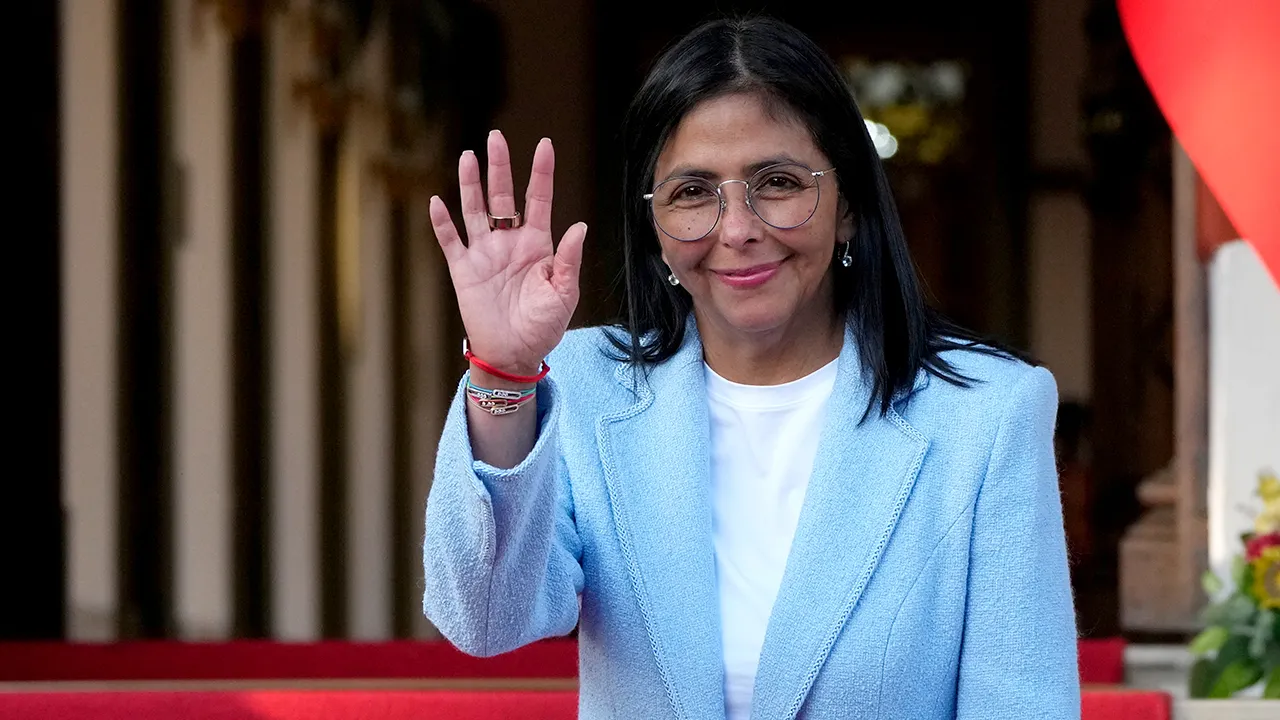
The diplomatic thaw follows a series of high-level visits by U.S. officials to Venezuela. Most recently, U.S. Interior Secretary Doug Burgum traveled to Caracas on March 4 for a two-day visit, during which he met with Venezuela’s interim President Delcy Rodríguez. These discussions focused particularly on opportunities related to mining and critical minerals supply chains.
During these meetings, the Venezuelan interim government reportedly offered security assurances for foreign mining companies seeking to invest in the country—a potentially significant development for U.S. companies interested in Venezuela’s abundant natural resources, particularly at a time when secure supply chains for critical minerals have become a strategic priority.
The reestablishment of diplomatic relations represents a major shift from the strained ties that characterized U.S.-Venezuela relations during the Maduro era. Venezuela possesses the world’s largest proven oil reserves, making it a potentially important energy partner for the United States, especially as global energy markets remain volatile.
Venezuela has been in economic free fall for years, experiencing hyperinflation, widespread shortages of food and medicine, and a massive exodus of its population. More than 7 million Venezuelans have fled the country since 2014, creating one of the world’s largest refugee crises. This situation has directly impacted the United States, with increasing numbers of Venezuelan migrants arriving at the southern border.
The political landscape in Venezuela has been deeply contested, with opposition leader María Corina Machado leading anti-government protests as recently as January 2025. These demonstrations reflect the ongoing struggle for democratic governance in the country.
Diplomatic and consular relations typically involve government-to-government engagement and the operation of embassies and consulates that facilitate visas, citizen services, and diplomatic coordination. The resumption of these services could significantly impact Venezuelans seeking to travel to the United States and Americans in Venezuela requiring consular assistance.
“The United States remains committed to supporting the Venezuelan people and working with partners across the region to advance stability and prosperity,” the State Department statement concluded.
The reestablishment of diplomatic relations with Venezuela could also have broader geopolitical implications for the Western Hemisphere. Venezuela has developed close ties with Russia, China, and Iran in recent years—relationships that have concerned U.S. policymakers due to their strategic implications for the region.
This diplomatic reset potentially opens a new chapter in U.S.-Venezuela relations, though significant challenges remain in addressing Venezuela’s economic crisis, political reconciliation, and the path toward democratic governance.
Fact Checker
Verify the accuracy of this article using The Disinformation Commission analysis and real-time sources.

14 Comments
This news comes at a critical juncture for the global energy landscape, with geopolitical tensions impacting commodity markets. I wonder how this diplomatic shift could affect Venezuela’s oil and mineral sectors.
That’s an astute observation. Improving relations between the US and Venezuela could have significant implications for energy and mining industries in the region, worth watching closely.
The capture of former President Maduro by US forces adds an interesting dynamic to this situation. I’m curious to see how that will impact the transition process going forward.
Good point. Maduro’s arrest could complicate negotiations, but it may also open new possibilities for constructive change if handled carefully by all parties involved.
Restoring diplomatic ties is an important first step, but the real work lies ahead in translating this agreement into tangible progress on the ground. Cautious optimism is warranted, but significant challenges remain.
Restoring diplomatic ties is an important first step, but the real test will be in translating this agreement into tangible progress on the ground in Venezuela. Cautious optimism is warranted.
Promoting stability and economic recovery in Venezuela is a worthy goal, but the path forward remains uncertain. I hope this diplomatic effort can meaningfully address the country’s deep-rooted challenges.
The capture of Maduro by US forces adds an intriguing twist to this story. I wonder how that will impact the dynamics of the diplomatic negotiations and the transition process.
While this diplomatic breakthrough is significant, a lot of work remains to address the complex challenges facing Venezuela. Sanctions, migration, and security issues will need to be carefully navigated.
Absolutely. The State Department emphasized this is a phased process to create conditions for a peaceful democratic transition. Continued dialogue and cooperation will be key.
Restoring diplomatic relations with Venezuela is a welcome step towards democratic transition and stability in the region. Engagement and dialogue are crucial for resolving longstanding political and economic issues.
Agreed. The agreement aims to facilitate cooperation on economic recovery and reconciliation – a positive development that could benefit the Venezuelan people.
With Venezuela’s vast natural resource wealth, this diplomatic thaw could open new investment and development opportunities, if managed responsibly. Balancing economic interests with democratic reforms will be crucial.
Absolutely. Any economic engagement will need to prioritize transparency, sustainability, and equitable distribution of benefits to the Venezuelan people.