


Listen to the article
U.S. Considers Naval Escorts for Commercial Vessels in Strait of Hormuz as Shipping Drops Sharply
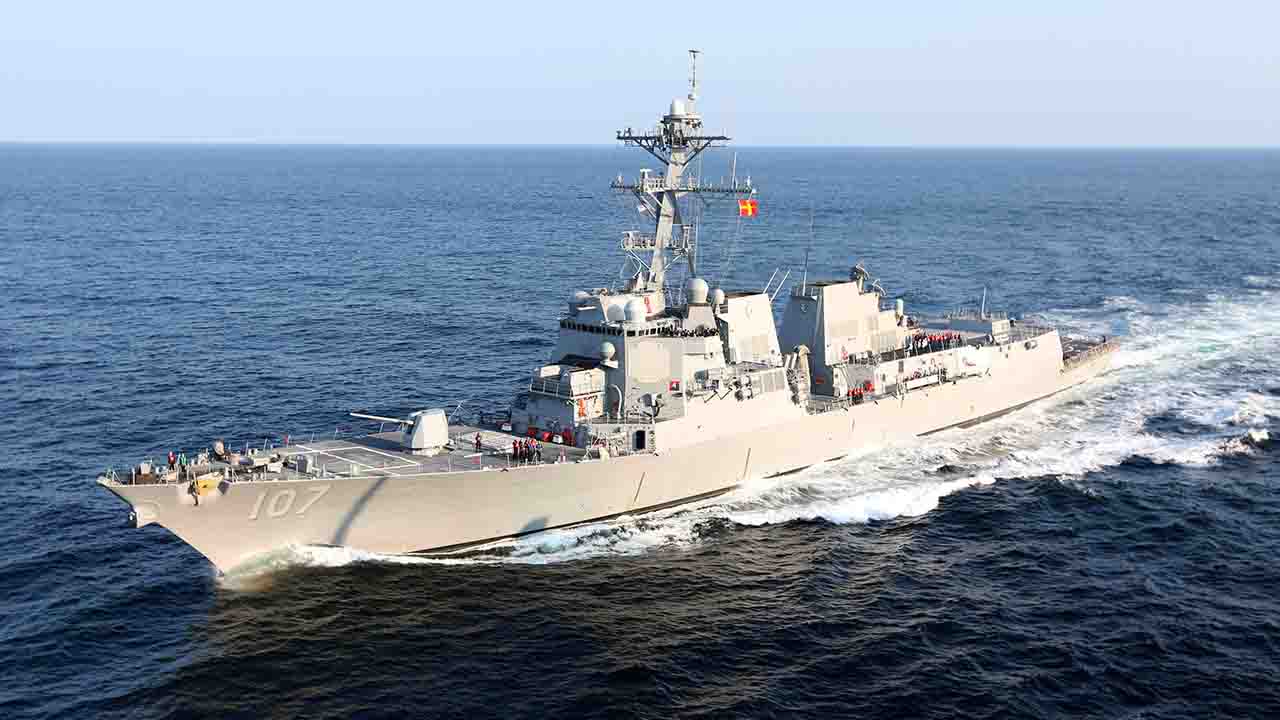
Energy Secretary Chris Wright stated the U.S. Navy could begin escorting commercial vessels through the strategically vital Strait of Hormuz “as soon as reasonable,” echoing President Donald Trump’s commitment to protecting energy shipments through the waterway. However, a U.S. military official clarified to Fox News that American forces are not currently conducting escort operations and declined to speculate on future missions.
“As soon as it’s reasonable to do it, we’ll escort ships through the straits and get the energy moving again,” Wright said during a Friday television appearance.
The statements come amid a dramatic decline in commercial maritime traffic through the strait following recent attacks on vessels and skyrocketing war-risk insurance premiums. Data analysis by Agence France-Presse shows only nine oil tankers, cargo and container ships have crossed the strait since Monday, with just three tankers and one vessel carrying gas successfully transiting the chokepoint since recent strikes.
The Strait of Hormuz serves as a critical artery for global energy markets, normally handling approximately 20% of the world’s crude oil and one-fifth of global liquefied natural gas exports, according to the U.S. Energy Information Administration. Even temporary disruptions pose serious concerns for global energy markets and Gulf producers that depend on this passage to transport supplies to Asian and European customers.
Commercial shipping has diminished significantly since the start of Operation Epic Fury, as several vessels have been struck, raising security concerns among shipowners and insurers. Industry analysts report that war-risk premiums have surged dramatically, with some coverage becoming difficult or impossible to secure. These conditions have prompted many tankers to anchor outside the Strait rather than risk transit.
The disconnect between policy statements and operational reality highlights the delicate balance facing Washington. Potential escort missions would require U.S. warships to operate in close proximity to Iran’s coastline within a narrow, heavily surveilled waterway, increasing the risk of direct military confrontation with Iranian forces.
For its part, Iran has maintained strategic ambiguity regarding the waterway. Iranian Foreign Minister Abbas Araghchi told NBC News on Thursday that Iran has “no intention” of closing the Strait “right now,” while ominously adding that “as the war continues, we will consider every scenario.” Araghchi suggested commercial ships were avoiding the passage out of fear of being struck “by either side” and claimed international oil tankers were not targets for Iran.
Even without a formal Iranian closure of the strait, the measurable reduction in ship traffic is already placing significant pressure on global energy markets and Gulf economies. Crude prices have risen amid growing concerns that prolonged disruption could tighten global supply, particularly for Asian buyers heavily dependent on Gulf exports.
President Trump has publicly downplayed concerns about rising gasoline prices in the United States. “They’ll drop very rapidly when this is over, and if they rise, they rise, but this is far more important than having gasoline prices go up a little bit,” he told Reuters.
The administration’s stance suggests a willingness to tolerate short-term energy price volatility while signaling readiness to intervene militarily if commercial shipping cannot safely resume on its own. This approach balances immediate economic concerns against broader strategic objectives in the region.
Maritime security experts note that naval escort operations would be complex to implement given the confined geography of the strait, which narrows to just 21 miles at its narrowest point. Previous U.S. escort operations in the region, such as during the 1980s “Tanker War,” required significant naval resources and still resulted in incidents.
For now, the Strait of Hormuz remains technically open but under severe strain – a vital artery of the global economy operating in a climate of active attacks, prohibitive insurance costs, and escalating rhetoric between Washington and Tehran. The situation has highlighted the vulnerability of global energy supply chains and the strategic importance of this single maritime chokepoint to the world economy.
Fact Checker
Verify the accuracy of this article using The Disinformation Commission analysis and real-time sources.

8 Comments
Securing the Strait of Hormuz is a top priority for the U.S. as it serves as a vital energy chokepoint. Providing naval escorts could help reassure shippers and stabilize the global oil supply.
Interesting to see the U.S. considering naval escorts for commercial vessels through the Strait of Hormuz. This strategic waterway is critical for global energy markets, so protecting shipping will be crucial.
While the U.S. considers ramping up military presence, I hope diplomatic solutions can also be explored to de-escalate tensions and ensure the free flow of energy shipments through the Strait of Hormuz.
Agreed. A balanced approach using both military and diplomatic tools will be important to maintain stability in this critical maritime chokepoint.
Protecting commercial vessels in the Strait of Hormuz is a tricky geopolitical challenge. The U.S. will need to carefully navigate regional dynamics and ensure the safety of crews and cargo.
The sharp decline in shipping traffic through the Strait of Hormuz is concerning for global energy markets. Effective military escorts could help restore confidence and keep oil and gas moving.
The dramatic decline in traffic through the Strait of Hormuz is concerning. Increased military presence may be needed to ensure the safe passage of tankers and cargo ships amid rising tensions in the region.
I’m curious to see how the U.S. will implement these potential naval escort operations in the Strait of Hormuz. Coordinating with commercial vessels and other regional actors will be critical.