


Listen to the article
The U.S. military announced Friday that its 20th strike on suspected drug trafficking vessels in the Caribbean Sea has killed four people, continuing a controversial escalation of maritime interdiction operations that began in September.
According to U.S. Southern Command, which oversees military operations in the Caribbean and Latin America, the latest strike occurred on Monday. In a post on social media platform X, Southern Command shared footage showing a speedboat engulfed in flames after being targeted. Officials stated that intelligence confirmed the vessel “was involved in illicit narcotics smuggling, transiting along a known narco-trafficking route, and carrying narcotics.”
The death toll from these maritime interdiction operations has now reached 80 since the campaign began two months ago. In late October, the Mexican Navy suspended its search for a survivor from a previous strike after four days of unsuccessful efforts.
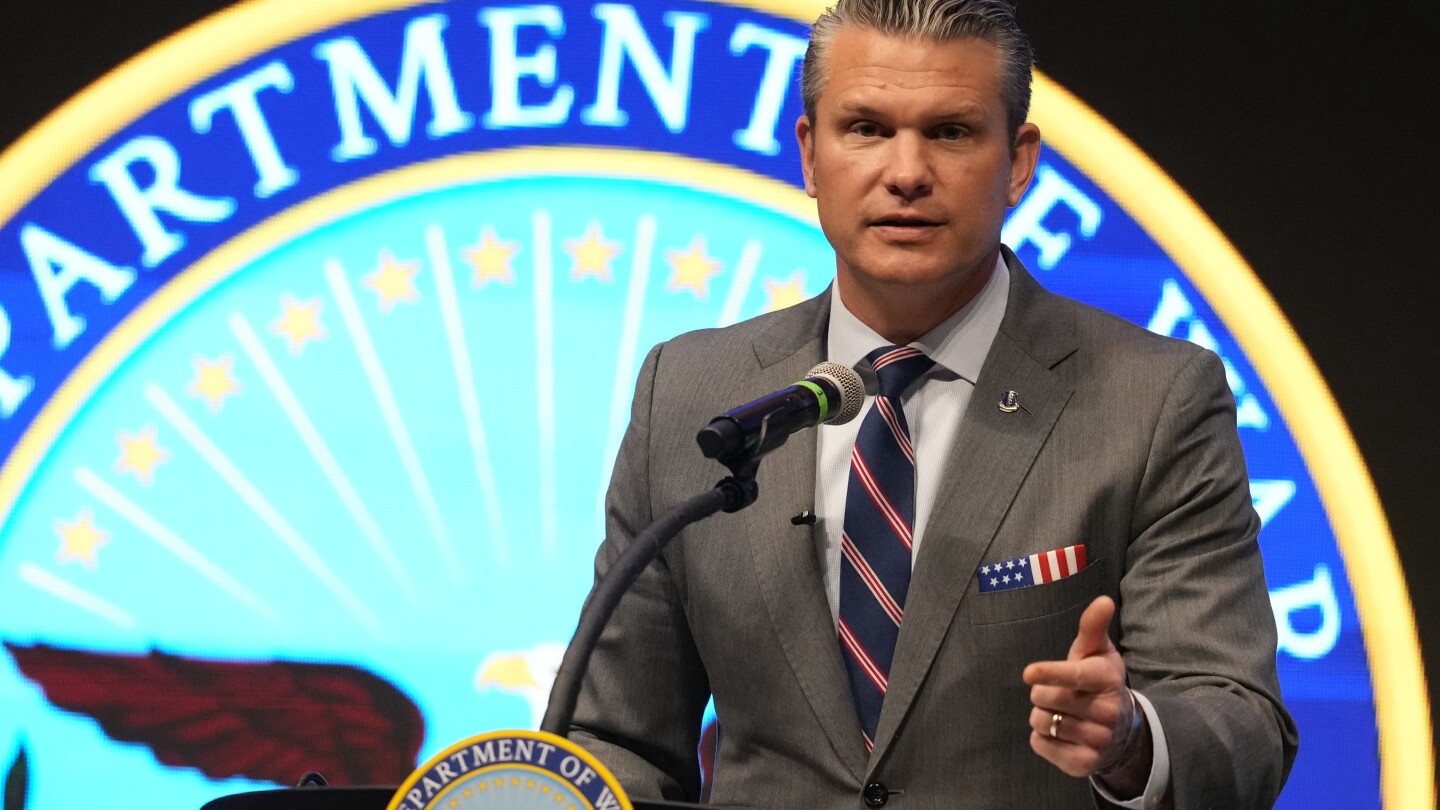
The announcement represents a procedural shift, as Defense Secretary Pete Hegseth had personally been announcing these operations on social media. While Hegseth quickly reposted Southern Command’s statement, the change suggests a potential formalization of communication protocols as operations expand.
On Thursday, Hegseth officially designated the campaign as “Operation Southern Spear,” signaling the growing significance and permanence of the military’s presence in the region. The operation is set to expand dramatically with the arrival of the USS Gerald R. Ford aircraft carrier, which is currently en route from the Mediterranean Sea.
Once the Ford arrives in the coming days, the mission will encompass nearly a dozen Navy ships and approximately 12,000 sailors and Marines. This represents one of the largest U.S. military deployments to the region in recent years.
While the Trump administration has consistently framed the operation as targeting drug trafficking networks, critics have raised questions about the broader geopolitical objectives. The administration has provided limited evidence to support its characterization of those killed as “narcoterrorists.”
The strikes have primarily occurred in the Caribbean Sea but have also extended to the eastern Pacific Ocean, which serves as a primary transit route for cocaine shipments from South America to the United States.
Some regional experts suggest the deployment of the aircraft carrier—America’s most advanced warship—may serve as a tool of intimidation against Venezuelan President Nicolás Maduro, who faces narcoterrorism charges in the United States. Secretary of State Marco Rubio has stated that the U.S. does not recognize Maduro’s government, which has been widely accused of electoral fraud, and has described it as a “transshipment organization” that facilitates drug trafficking toward the United States.
In response, Maduro has accused the United States of “fabricating” a pretext for military action against his government. This week, Venezuela’s government announced a “massive” mobilization of troops and civilians to prepare for potential U.S. attacks, further escalating regional tensions.
President Trump has justified the maritime strikes by declaring the United States in “armed conflict” with drug cartels and claiming the targeted vessels are operated by foreign terrorist organizations responsible for trafficking drugs into American cities.
The legal basis for these operations has drawn scrutiny from lawmakers on both sides of the aisle. Last week, Rubio and Hegseth met with a bipartisan group of congressional members who oversee national security issues to discuss the legal rationale and strategy behind the strikes.
Despite these questions, Senate Republicans recently voted down legislation that would have required congressional authorization for any potential military action against Venezuela, giving the administration significant latitude to continue and potentially expand operations in the region.
Fact Checker
Verify the accuracy of this article using The Disinformation Commission analysis and real-time sources.

14 Comments
This campaign against alleged drug-running boats in the Caribbean raises complex questions about the use of military force, intelligence gathering, and regional security cooperation. Transparency and accountability will be crucial.
I hope the military is doing everything possible to minimize harm to innocent lives while disrupting illicit drug networks. Balancing these priorities is no easy task.
These maritime interdiction efforts highlight the ongoing challenges in combating the drug trade in the Caribbean. I wonder how the U.S. military is coordinating with regional partners to address this complex issue.
The rising death toll is troubling. I hope the military is taking all necessary precautions to avoid civilian casualties and ensure these strikes are truly targeting drug traffickers.
Interesting development in the ongoing maritime interdiction efforts against drug trafficking in the Caribbean. I wonder how effective these strikes have been in disrupting the flow of illicit narcotics overall.
It’s concerning to see the rising death toll from these operations. While combating drug trafficking is important, the human cost must be carefully weighed.
While disrupting drug trafficking is a legitimate national security concern, I worry these escalating military strikes could have unintended consequences for the region. Diplomacy and regional cooperation may be equally important.
It will be important to closely monitor the long-term impacts of this campaign on drug flows, as well as any geopolitical ripple effects in the Caribbean.
The shift in announcement procedures suggests the military is trying to formalize these maritime interdiction operations. I hope this leads to greater transparency and accountability around these controversial strikes.
Ultimately, the goal should be to disrupt drug trafficking networks while minimizing harm to human life. It will be important to closely monitor the outcomes of this campaign.
Drug trafficking is a complex issue with no easy solutions. While these military strikes may disrupt some operations, I wonder if they’re truly addressing the root causes driving the illicit drug trade in the region.
It’s important to consider the broader geopolitical implications of these escalating interdiction efforts. Coordination with regional partners will likely be crucial for long-term success.
This campaign seems to be ramping up with the 20th strike already. I hope the military is taking appropriate precautions to minimize civilian casualties in these high-intensity maritime interdictions.
The use of force should always be a last resort. I’d be curious to know more about the intelligence behind these strikes and the decision-making process.