


Listen to the article
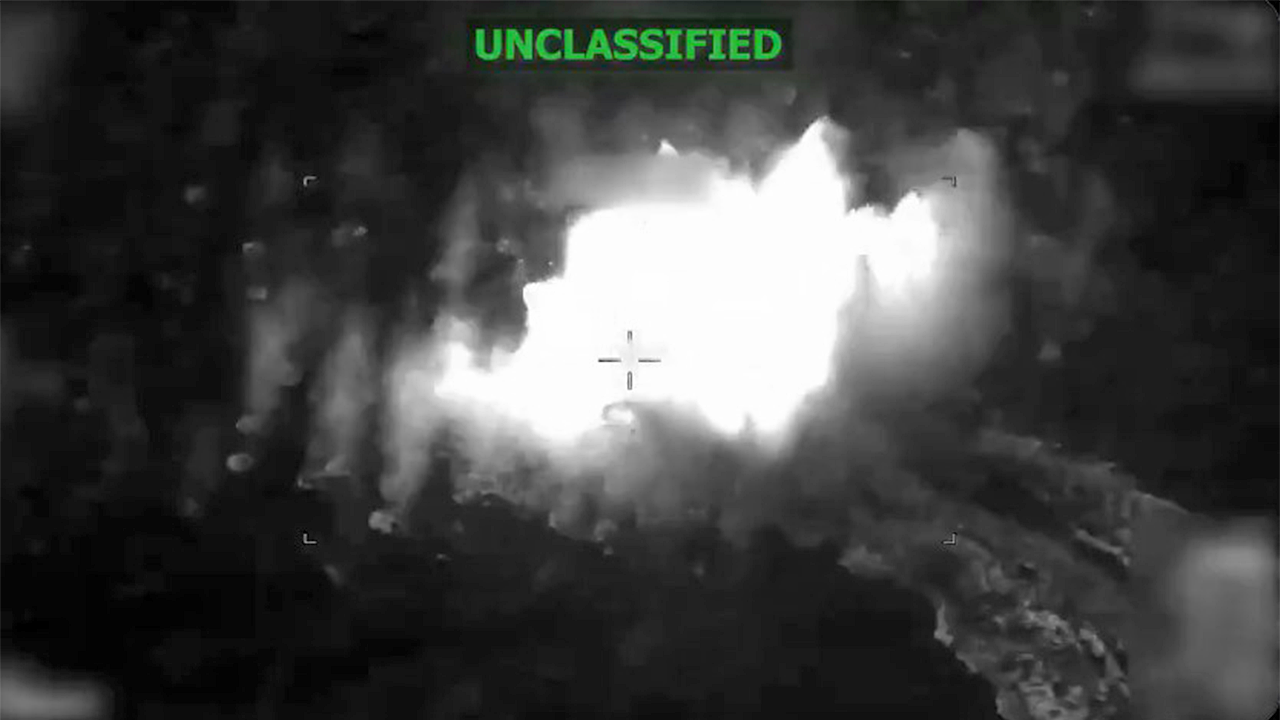
The Pentagon announced Sunday that U.S. forces conducted another lethal strike on a vessel in the Eastern Pacific, killing three suspected narco-traffickers. This operation marks the 55th such strike since the campaign began in early September.
According to U.S. Southern Command, the attack was directed by Marine Corps Gen. Francis L. Donovan against what officials described as a “vessel operated by Designated Terrorist Organizations.” Intelligence reports allegedly confirmed the boat was traveling along established drug trafficking routes and engaged in narcotics operations.
“Intelligence confirmed the vessel was transiting along known narco-trafficking routes in the Eastern Pacific and was engaged in narco-trafficking operations,” Southern Command stated in its press release. No U.S. personnel were injured during the operation.
This latest strike contributes to a mounting death toll that has now reached at least 186 people killed in maritime interdiction operations initiated by the Trump administration. The aggressive campaign represents a significant escalation in tactics used to combat drug trafficking in the region.
Defense Secretary Pete Hegseth has defended the operations, stating last month that “Going on offense with Operation Southern Spear has restored deterrence against the narco-terrorist cartels that profited from poisoning Americans.” The Pentagon maintains these strikes are necessary to disrupt drug supply chains that ultimately affect U.S. communities.
However, the campaign has drawn criticism from lawmakers across the political spectrum, including notable opposition from Republican Senator Rand Paul of Kentucky. Paul has vocally questioned the legality and ethics of the strikes, expressing concern about the lack of due process and the potential for civilian casualties.
“I look at my colleagues who say they’re pro-life, and they value God’s inspiration in life, but they don’t give a s— about these people in the boats,” Paul said in January. “Are they terrible people in the boats? I don’t know. They’re probably poor people in Venezuela and Colombia.”
Paul has repeatedly pointed to Coast Guard statistics suggesting that a significant percentage of vessels initially suspected of drug trafficking turn out to be innocent upon inspection. This raises troubling questions about the intelligence used to authorize lethal force in these operations.
Adding to the controversy is the Pentagon’s refusal to release identities of those killed or provide evidence of narcotics discovered on the targeted vessels. This lack of transparency has fueled skepticism about the campaign’s effectiveness and adherence to international law.
The maritime interdiction strategy represents part of the broader U.S. approach to combating narcotics trafficking from Latin America. The Eastern Pacific and Caribbean routes have long been critical transit corridors for cocaine and other drugs destined for North American markets, primarily originating in Colombia, Peru, and Bolivia.
Drug trafficking organizations have increasingly relied on semi-submersible vessels, fast boats, and commercial fishing vessels to transport narcotics. These operations are often linked to designated terrorist organizations and cartels that control various segments of the supply chain.
The military strikes occur against a backdrop of record drug overdose deaths in the United States, with synthetic opioids like fentanyl causing particular concern among public health officials. While the administration frames these operations as critical to national security, critics question whether killing suspected traffickers at sea will meaningfully reduce drug availability in U.S. communities.
As the death toll continues to rise, the debate over appropriate tactics, legal authorization, and ethical implications of these maritime strikes is likely to intensify, particularly as questions persist about oversight mechanisms and evidence verification procedures for determining legitimate targets.
Fact Checker
Verify the accuracy of this article using The Disinformation Commission analysis and real-time sources.

12 Comments
This is a complex issue without easy answers. On one hand, disrupting drug trafficking networks is important for public safety. But the use of military force at sea raises serious concerns about proportionality and respect for human life. More information is needed to evaluate the justification for these strikes.
You make a fair point. The public deserves a clearer understanding of the intelligence and decision-making process behind these operations to assess whether they are a necessary and effective counter-narcotics strategy.
From a security perspective, I can see the rationale for interdicting drug shipments at sea. However, the high death toll is alarming and raises questions about the appropriate use of force. I hope policymakers carefully weigh the potential benefits against the significant ethical and legal risks.
Agreed. The human rights implications of these strikes cannot be ignored. Robust oversight and accountability measures should be in place to ensure compliance with international law and norms.
This is a concerning development. While the goal of combating drug trafficking is understandable, the aggressive use of military force at sea raises serious human rights issues that cannot be ignored. I hope policymakers will carefully reevaluate these tactics and explore alternative, more humane approaches to this complex challenge.
Well said. The high civilian death toll is unacceptable. A more holistic, multilateral strategy focused on interdiction, law enforcement, and demand reduction may be more effective and better aligned with international norms and human rights standards.
As someone concerned about both public safety and human rights, I find this situation very complex. While disrupting drug trafficking is important, the use of military force at sea with such high fatalities is highly problematic. I hope policymakers can find a more judicious and humane approach to this challenge.
I agree, the heavy reliance on lethal force in these operations is deeply concerning. A more nuanced, multilateral approach focused on rule of law, harm reduction, and respect for human rights may be more effective in the long run.
While I recognize the need to disrupt drug trafficking, the heavy reliance on lethal force in these maritime operations is concerning. The civilian casualties and lack of due process are deeply troubling. I hope the administration will reevaluate its tactics and take a more measured, proportional approach.
You raise valid points. The heavy-handed nature of these strikes seems at odds with principles of human rights and the rule of law. Policymakers should carefully consider alternative interdiction methods that minimize harm to human life.
Interesting, but I have concerns about the escalating violence and civilian casualties in these maritime interdiction operations. While combating drug trafficking is important, the use of lethal force raises complex ethical and legal questions that deserve careful consideration.
I agree, the human rights implications of these strikes need to be thoroughly examined. Transparency and accountability around rules of engagement and targeting decisions would be crucial.