


Listen to the article
The Army is rolling out a new combat fitness test for frontline troops as part of a broader initiative to strengthen battlefield readiness amid ongoing recruiting challenges. The Combat Field Test (CFT), announced earlier this week, applies specifically to soldiers in combat specialties and is designed to reflect the physical demands of modern warfare.
Unlike previous fitness assessments, the CFT is both age and gender-neutral, signaling the Army’s shift toward stricter, role-specific standards. This change comes at a critical time for the military branch, which has struggled with recruitment in recent years, falling approximately 15,000 soldiers short of its target in 2022, according to U.S. Army Recruiting Command data.
While the Army has since rebounded to meet its 2025 recruitment goals, military leadership continues to focus on long-term readiness initiatives. The new test is part of a series of fitness standard updates implemented in recent years, following the transition from the previous Army Combat Fitness Test to the Army Fitness Test earlier in 2025.
“The Combat Field Test is a critical step forward in ensuring our soldiers serving in the most physically demanding specialties have the specific fitness required to dominate on the modern battlefield,” Army Secretary Dan Driscoll said in a statement Wednesday. “This is about readiness, lethality and the well-being of our soldiers.”
The implementation aligns with War Secretary Pete Hegseth’s broader push to reemphasize what he calls the “warrior ethos” throughout the military. This philosophy prioritizes combat effectiveness and physical preparedness for battlefield conditions.
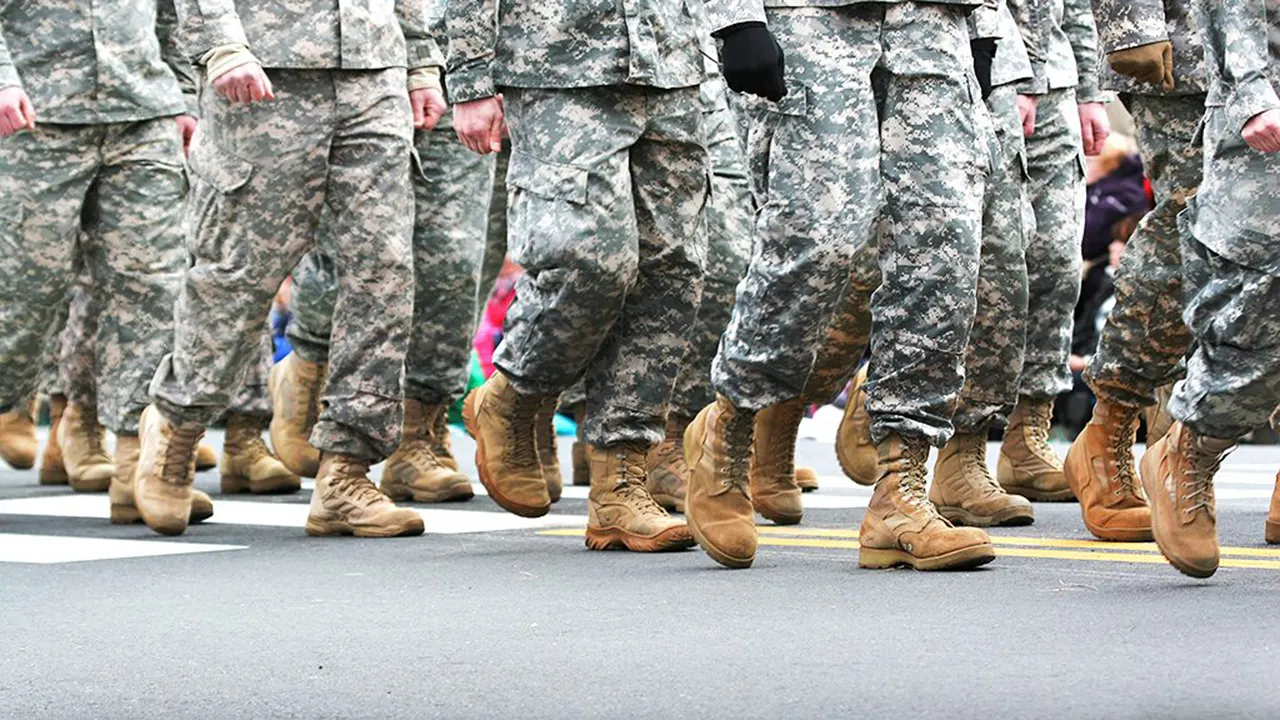
The test itself is notably rigorous and practical in its design. Soldiers must complete seven events within a 30-minute timeframe, with the clock running continuously. Participants wear their standard Army Combat Uniform and boots throughout the assessment, making it more representative of field conditions.
The sequence begins with a one-mile run, followed by 30 dead-stop push-ups and a 100-meter sprint. Soldiers must then complete 16 lifts of a 40-pound sandbag onto a 65-inch platform, followed by carrying two 40-pound Army water cans for 50 meters. The assessment continues with a 50-meter movement drill incorporating a high crawl and a 25-meter three- to five-second rush, concluding with another one-mile run.
Implementation of the new standard begins this month, with soldiers required to complete the test annually once fully established. Recognizing the significance of this transition, the Army has built in a one-year adjustment period during which soldiers will not face penalties for test performance as the new standards are phased in.
The CFT represents part of a comprehensive effort to enhance troop readiness for contemporary combat scenarios. It acknowledges that modern warfare places specific physical demands on soldiers that traditional fitness tests may not adequately measure or prepare troops to meet.
This shift in fitness assessment philosophy comes as military leadership continues to adapt training protocols to evolving battlefield conditions and operational requirements. By establishing combat-specific fitness criteria, the Army aims to ensure that frontline personnel possess the physical capabilities necessary for their specialized roles.
Military fitness standards have been a topic of ongoing discussion within defense circles, with some arguing that role-specific requirements better reflect the varying physical demands across different military occupational specialties. The CFT appears to address these concerns by tailoring assessments to combat-focused positions.
As the Army works to rebuild its ranks and strengthen overall force readiness, initiatives like the Combat Field Test represent practical steps toward ensuring troops are physically prepared for the demands of modern military operations. The emphasis on combat-specific fitness aligns with broader Department of Defense priorities to maintain a lethal, effective fighting force amid evolving global security challenges.
Fact Checker
Verify the accuracy of this article using The Disinformation Commission analysis and real-time sources.

16 Comments
The Combat Field Test seems like a reasonable approach to evaluating troops in the most physically demanding roles. It will be interesting to see if this helps the Army maintain its combat readiness amid ongoing recruitment challenges.
Yes, it’s a delicate balance, but upholding high standards is essential for the military’s long-term effectiveness.
This seems like an important step for the Army to maintain a capable, ready force. While recruiting may be tough, ensuring high fitness standards is critical for battlefield effectiveness.
Absolutely. Upholding rigorous, role-specific fitness requirements is crucial, even if it makes recruitment more challenging in the short term.
This new combat fitness test sounds like a sensible move to ensure frontline troops are truly prepared for the physical demands of modern warfare. It’s good to see the Army taking a gender and age-neutral approach to standards.
Agreed, role-specific testing is crucial. Maintaining combat readiness is essential, even with ongoing recruitment challenges.
This new fitness test is a bold move, but an understandable one given the physical demands of modern warfare. I’m curious to see how it affects recruitment and retention in the long run.
That’s a good point. Maintaining high standards may pose challenges, but the Army seems committed to combat readiness over short-term recruitment goals.
The shift toward age and gender-neutral standards for frontline troops is an interesting development. I wonder how this will impact diversity and inclusion efforts within the military.
That’s a fair question. Ensuring equal opportunity while upholding essential fitness requirements will be an ongoing balancing act for the Army.
I’m glad to see the Army taking this proactive approach to combat readiness. The new Combat Field Test sounds like a sensible way to evaluate troops serving in the most demanding roles.
Yes, it’s reassuring that the military is prioritizing real-world preparedness over one-size-fits-all assessments.
This new combat fitness test sounds like a positive step, but I hope the Army carefully evaluates its implementation and impact. Maintaining readiness is crucial, but shouldn’t come at the cost of unfair or discriminatory practices.
Agreed. Transparent, evidence-based assessments will be key to ensuring the new test is fair and effective.
I’m curious to learn more about the details of this new Combat Field Test. How does it differ from previous fitness assessments, and what specific physical skills does it aim to evaluate?
Good question. The article mentions it’s designed to better reflect the demands of modern warfare, so I imagine it focuses on things like strength, agility, and endurance under combat conditions.