


Listen to the article
U.S. Military Escalates Anti-Drug Campaign with Latest Strike in Eastern Pacific
The U.S. military announced Monday it conducted another strike against a suspected drug smuggling vessel in the eastern Pacific Ocean, resulting in two fatalities. According to a statement released by U.S. Southern Command on social media, this operation marks the 30th boat strike since early September, with the death toll now reaching at least 107 people.
Military officials claimed the targeted vessel “was engaged in narco-trafficking operations,” though they did not provide specific evidence supporting this assertion. A video of the incident shared on social media platforms shows a boat moving through water before being hit by two successive explosions.
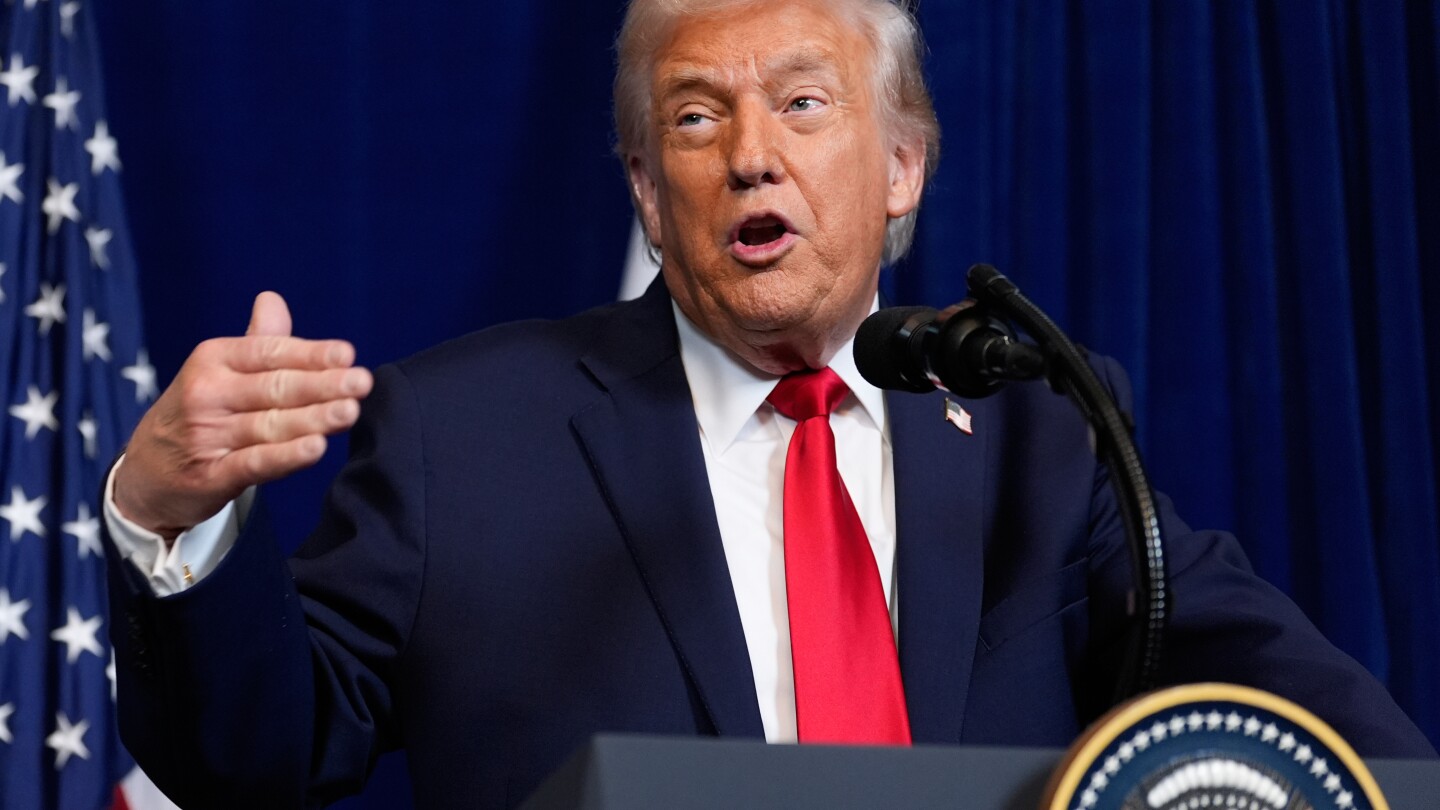
President Donald Trump has defended these aggressive tactics as essential measures to combat drug trafficking into the United States. He has repeatedly characterized the situation as an “armed conflict” with drug cartels, signaling a significant shift in how the U.S. approaches counter-narcotics operations in international waters.
When questioned by reporters on Monday about “an explosion in Venezuela,” Trump acknowledged that U.S. forces had targeted a dock facility where vessels allegedly carrying drugs “load up.” “There was a major explosion in the dock area where they load the boats up with drugs,” Trump stated during a meeting with Israeli Prime Minister Benjamin Netanyahu in Florida. Neither the White House nor the Pentagon has provided additional details about this specific incident.
The boat strikes represent just one component of a broader strategy that includes a substantial military buildup in the region. Analysts view these actions as part of an intensifying pressure campaign against Venezuelan President Nicolás Maduro, who faces narcoterrorism charges in the United States. The Trump administration has consistently linked drug trafficking operations to Maduro’s government, using this connection to justify increasingly aggressive measures.
In December, the administration expanded its tactics by seizing two sanctioned oil tankers off Venezuela’s coast and pursuing a third vessel. This approach has proven somewhat effective, with several sanctioned tankers subsequently altering their routes to avoid the South American nation’s waters.
Maduro has consistently rejected the U.S. characterization of these operations, insisting their true objective is regime change rather than drug interdiction. His claims gain some credibility from Trump’s repeated suggestions about potentially conducting land strikes in Venezuela or neighboring countries, statements that have raised concerns among foreign policy experts about potential military escalation in the region.
The anti-drug campaign has drawn mounting scrutiny from U.S. lawmakers, particularly after revelations about the first operation in early September. Reports indicate that initial strike was followed by a second attack that killed two survivors who were clinging to wreckage from the first explosion, raising significant humanitarian and legal questions about the rules of engagement being employed.
Maritime law experts and human rights organizations have expressed concern about the legal foundation for these operations and the potential for civilian casualties. Some analysts question whether the campaign represents an appropriate use of military force for what has traditionally been handled as a law enforcement issue.
The escalation comes amid rising drug trafficking concerns across the Americas, with U.S. officials reporting increased cocaine production in Colombia and other source countries. However, critics argue that supply-side interdiction tactics have historically shown limited effectiveness in reducing overall drug flows or addressing addiction issues within the United States.
As the campaign continues, questions remain about its strategic objectives, legal parameters, and whether it will effectively disrupt drug trafficking networks or simply force smugglers to adapt their routes and methods.
Fact Checker
Verify the accuracy of this article using The Disinformation Commission analysis and real-time sources.

12 Comments
The high death toll from these strikes is troubling. I wonder if there are alternative strategies the U.S. could pursue, such as increased cooperation with regional partners or disrupting supply chains through economic means, rather than resorting to deadly military force so frequently.
Those are good points. A more comprehensive, multilateral approach targeting the broader drug trade ecosystem could be more effective in the long run than these unilateral kinetic operations.
These strikes raise significant concerns about the use of lethal force and due process. I wonder if there are alternative, non-kinetic approaches the U.S. could pursue to disrupt drug trafficking networks while minimizing loss of life.
That’s a good point. A more comprehensive, multilateral strategy targeting the broader drug trade ecosystem, including demand reduction and alternative development programs, could be more effective in the long run.
These aggressive tactics against suspected drug smugglers raise serious ethical and legal concerns. I hope the Biden administration will carefully review this policy and explore alternative, less lethal approaches to disrupt drug trafficking networks.
While I understand the desire to combat the flow of illegal drugs, the lack of transparency around these strikes is worrying. The military should provide more detailed justification for each operation to ensure accountability and prevent unnecessary loss of life.
While I understand the urgency to combat drug trafficking, these strikes appear to be a heavy-handed tactic that may be doing more harm than good. I hope the military and policymakers can find a more balanced and humane approach to this challenge.
The use of military force against suspected drug boats is a concerning development. I hope the Biden administration will carefully review these operations and explore alternative strategies that prioritize human rights and international law.
The high number of strikes and fatalities is alarming. I wonder if these operations are truly effective in curbing the drug trade, or if they are simply escalating tensions and driving up the human cost. A more nuanced strategy is needed.
Agreed. Militarized interdiction alone seems insufficient to address the complex issues driving the global drug trade. A comprehensive approach targeting demand, supply chains, and root causes may be more effective in the long run.
This escalation of force against alleged drug boats is concerning. While combating narco-trafficking is important, we must ensure due process and avoid unnecessary loss of life. I hope the military can find a more surgical approach to target true criminal networks.
I agree, the use of lethal force should be an absolute last resort. Increased interdiction efforts are needed, but they must be carried out in a way that respects international law and human rights.