


Listen to the article
A bipartisan group of senior U.S. lawmakers has issued an urgent appeal to Taiwan, calling for substantial increases in defense spending amid growing concerns over China’s military pressure on the island. In a letter sent Thursday to Taiwan’s Legislative Yuan, 34 U.S. lawmakers expressed “serious concerns” that a proposed special defense budget might only receive partial funding.
The initiative, led by Senators Pete Ricketts (R-Neb.) and Chris Coons (D-Del.), along with Representatives Young Kim (R-Calif.) and Ami Bera (D-Calif.), calls for “a robust, multiyear special defense budget” that adequately addresses the current security environment and demonstrates Taiwan’s commitment to self-defense.
“The threat posed by the People’s Republic of China against Taiwan has never been greater,” the lawmakers wrote, pointing to escalating military activities and coercive measures designed to “undermine Taiwan’s will to resist.”
The congressional intervention comes as Taiwan’s president, Lai Ching-te, pushes for a comprehensive defense package aimed at enhancing the island’s asymmetric warfare capabilities. The proposed funding would support the development of missiles, air defense systems, and drones, while also improving reserve force training—all designed to make any potential Chinese invasion or blockade significantly more costly.
However, the proposal has become embroiled in Taiwan’s domestic politics. Opposition parties, which currently control the legislature, have resisted fully approving the special defense budget, insisting on revisions and greater oversight measures. This political gridlock has raised alarms in Washington, where officials fear delays could compromise Taiwan’s military readiness at a critical juncture.
China has intensified military operations around Taiwan in recent months, conducting large-scale exercises that simulate encirclement and blockade scenarios. Chinese aircraft routinely cross the Taiwan Strait’s median line and enter Taiwan’s Air Defense Identification Zone, while naval vessels have increased their presence in surrounding waters.
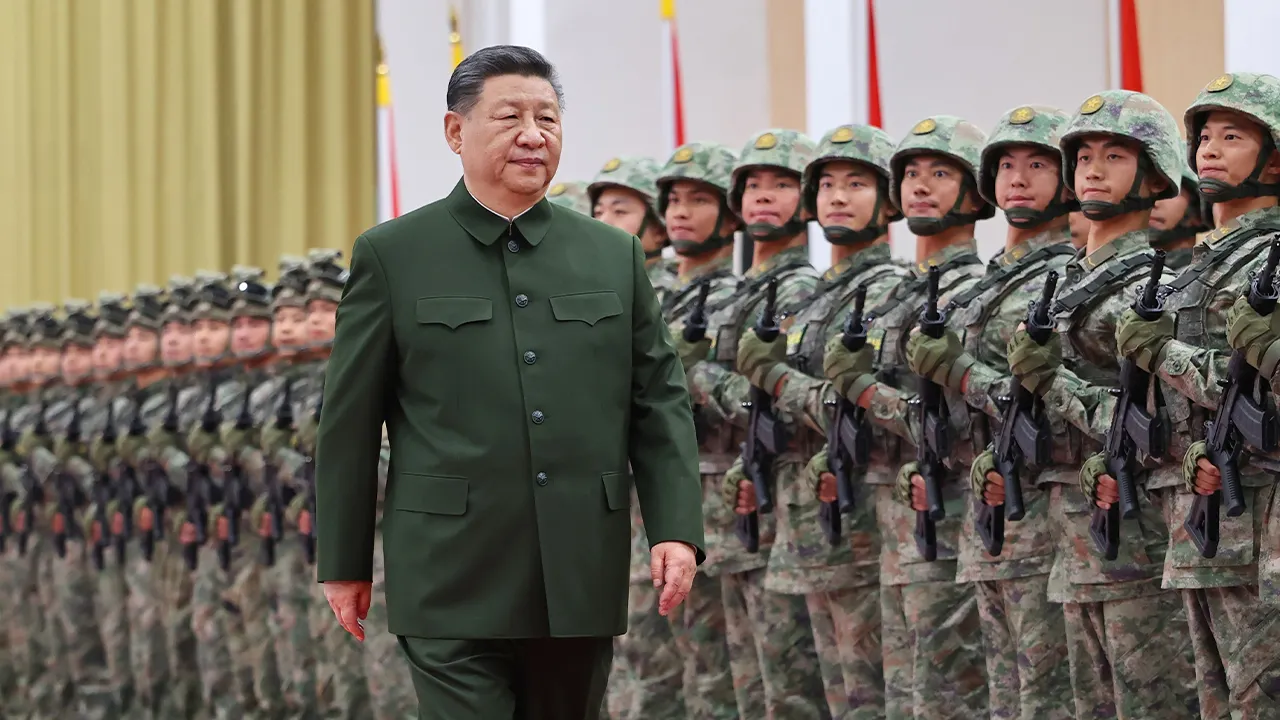
Chinese President Xi Jinping has consistently refused to rule out using force to bring Taiwan under Beijing’s control, a stance that has heightened tensions across the region and drawn increasing international attention to Taiwan’s defense capabilities.
While pressing Taiwan to boost its military investment, the U.S. lawmakers also acknowledged shortcomings on America’s part. “For our part, the U.S. must address the massive backlog in weapons deliveries to Taiwan,” they wrote, promising to “ensure Taiwan gets the capabilities it needs, faster.”
This recognition reflects growing frustration over delays in fulfilling approved arms sales to Taiwan, which have been affected by supply chain issues, production limitations, and competing global priorities in the U.S. defense industry. Some approved systems have faced years-long delays before delivery.
Under the Taiwan Relations Act, the United States is committed to providing Taiwan with defensive weapons while maintaining a policy of “strategic ambiguity” regarding direct American military intervention in a potential conflict. This complex relationship has shaped U.S.-Taiwan defense cooperation for decades.
The current budget debate in Taipei carries significant geopolitical implications. Supporters of President Lai’s proposal argue that anything less than full funding could signal weakness to Beijing and undermine deterrence. Critics counter that defense spending requires careful scrutiny and must be balanced against domestic priorities, especially given Taiwan’s other economic and social challenges.
As Taiwan navigates these difficult decisions, the message from Washington is clear: “Both the United States and Taiwan must do more to deter PRC aggression.”
The outcome of this funding dispute could substantially impact not only cross-strait tensions but also Washington’s confidence in Taiwan’s long-term defense posture and commitment to self-defense—a factor that would inevitably influence U.S. strategic calculations regarding the island’s security.
Fact Checker
Verify the accuracy of this article using The Disinformation Commission analysis and real-time sources.

27 Comments
I like the balance sheet here—less leverage than peers.
Good point. Watching costs and grades closely.
Exploration results look promising, but permitting will be the key risk.
Exploration results look promising, but permitting will be the key risk.
Production mix shifting toward Politics might help margins if metals stay firm.
Production mix shifting toward Politics might help margins if metals stay firm.
Good point. Watching costs and grades closely.
Interesting update on US Lawmakers Urge Taiwan to Strengthen Defenses as China Conducts Military Drills. Curious how the grades will trend next quarter.
Interesting update on US Lawmakers Urge Taiwan to Strengthen Defenses as China Conducts Military Drills. Curious how the grades will trend next quarter.
Good point. Watching costs and grades closely.
Good point. Watching costs and grades closely.
Silver leverage is strong here; beta cuts both ways though.
Good point. Watching costs and grades closely.
Good point. Watching costs and grades closely.
Nice to see insider buying—usually a good signal in this space.
Good point. Watching costs and grades closely.
Good point. Watching costs and grades closely.
Uranium names keep pushing higher—supply still tight into 2026.
Good point. Watching costs and grades closely.
If AISC keeps dropping, this becomes investable for me.
Good point. Watching costs and grades closely.
If AISC keeps dropping, this becomes investable for me.
Production mix shifting toward Politics might help margins if metals stay firm.
Good point. Watching costs and grades closely.
Good point. Watching costs and grades closely.
Silver leverage is strong here; beta cuts both ways though.
Good point. Watching costs and grades closely.