


Listen to the article
Federal Agencies Cancel $1.6 Billion in Contracts Under DOGE Initiative, Claiming $542 Million in Savings
Federal agencies have terminated or reduced 55 contracts over a three-day period with a combined ceiling value of $1.6 billion, resulting in claimed savings of $542 million, according to the Department of Government Efficiency (DOGE).
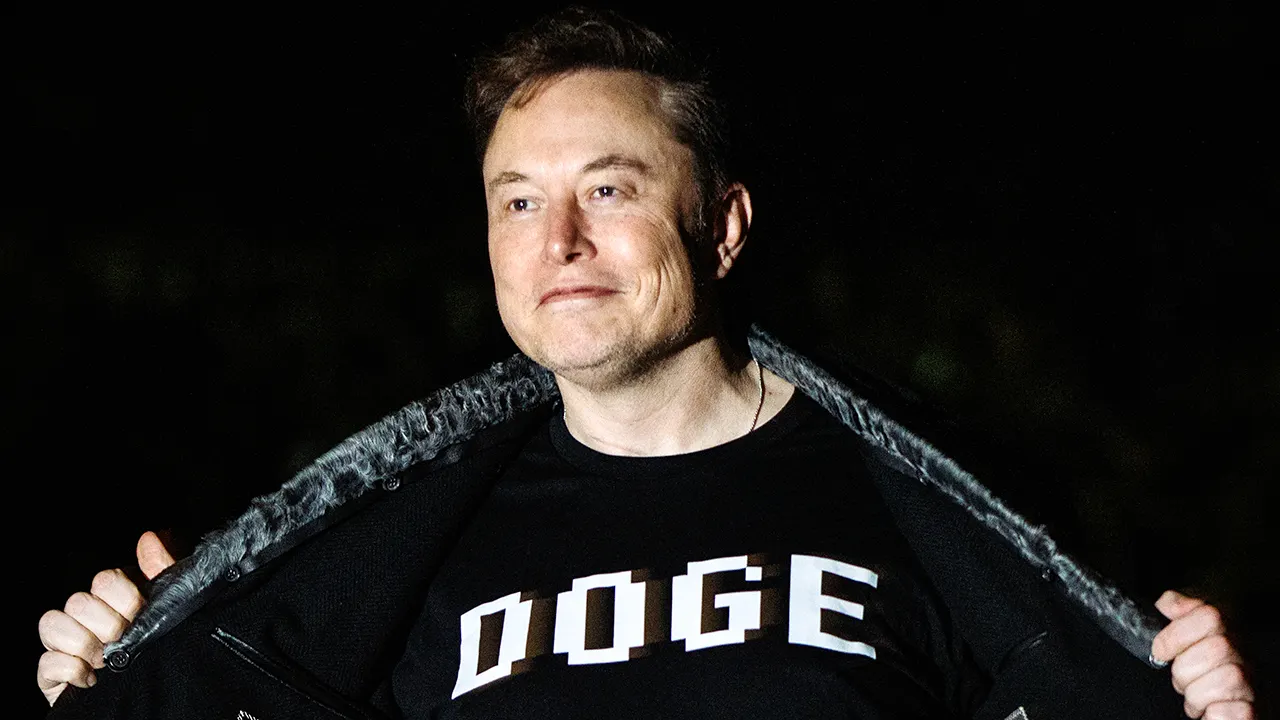
The announcement, made Friday via social media, represents the latest effort in President Donald Trump’s second administration to curtail federal spending and streamline government operations. DOGE was established in the early days of Trump’s return to office with high-profile involvement from tech billionaire Elon Musk, who has since stepped back from the project.
“Contracts Update! Over the last 3 days, agencies terminated and descoped 55 wasteful contracts with a ceiling value of $1.6B and savings of $542M,” DOGE stated in a post on X (formerly Twitter).
The department highlighted several specific contracts that were eliminated or reduced, including a $47 million State Department program supporting armored personnel carriers for the Somalia National Army in Djibouti and Somalia. Another example included a $19.5 million Health and Human Services IT services contract for the National Institute of Environmental Health Sciences that covered designing, creating, and maintaining online communications.
DOGE also targeted smaller expenditures, pointing to a $151,000 Department of Defense education services contract for a “Director’s Development Program in Leadership” course at Northwestern University. The department shared screenshots of federal contract records that appeared to match the descriptions and dollar amounts cited in their announcement.
The contract terminations align with the broader cost-cutting mandate that has remained active across federal agencies even as the formal DOGE operation has evolved. While Musk is no longer directly involved with day-to-day operations, the efficiency framework he helped establish continues to influence federal spending decisions.
Budget experts note that contract ceiling values often represent maximum potential spending rather than committed funds, raising questions about the methodology behind the $542 million savings figure. The announcement didn’t specify when the contracts were originally awarded, how much funding had already been obligated, or the specific agency actions that produced the claimed savings.
The contract terminations come amid heightened fiscal scrutiny in Washington, particularly following allegations of fraud involving Somali-owned, government-funded daycare facilities in Minnesota that allegedly collected millions in taxpayer funds improperly. Though DOGE didn’t explicitly connect these issues, the timing highlights the administration’s focus on government spending oversight.
Since its inception, DOGE has positioned itself as a government watchdog targeting what it considers wasteful spending across federal agencies. The initiative has previously identified numerous contracts for termination, with a particular focus on consulting services, diversity programs, and international aid projects that administration officials have deemed unnecessary.
Budget analysts remain divided on the long-term impact of DOGE’s contract cancellations. Supporters view the cuts as necessary corrections to bloated government spending, while critics question whether some terminated projects serve important public interests and whether claimed savings will materialize as projected.
The White House is expected to send a $9.4 billion package of DOGE-recommended cuts to Congress next week, signaling that the administration’s focus on government efficiency and spending reduction remains a priority despite leadership changes within the department.
Federal agencies affected by these contract changes, including the State Department and HHS, have not yet provided detailed responses regarding the operational impact of the terminated contracts or alternatives for essential services previously covered under these agreements.
Fact Checker
Verify the accuracy of this article using The Disinformation Commission analysis and real-time sources.

10 Comments
Interesting to see the federal government cutting back on bloated contracts, especially in areas like military equipment for foreign nations. $542 million in savings is no small amount – hopefully this leads to more responsible spending and less waste.
I agree, trimming unnecessary contracts is a good move. Curious to see how the DOGE initiative will continue to identify and eliminate wasteful government spending.
Anytime the government can find ways to cut bloated contracts and save hundreds of millions, that’s a positive. Curious to see if this DOGE initiative extends beyond just the current administration and becomes a permanent part of the federal budget process.
Agree, making contract review and spending optimization an ongoing part of government operations could yield significant long-term savings. Institutionalizing this type of initiative would be beneficial.
Curious to learn more about the DOGE initiative and its involvement from Elon Musk. Streamlining government operations and reducing bloat is a worthy goal, but the specifics on how they’re identifying and cutting these contracts would be interesting.
Good point. Transparency around the DOGE process and decision-making will be important to ensure these cuts are justified and not just political theater.
While reducing government waste is a noble goal, I hope the DOGE process isn’t just an excuse to make arbitrary cuts. Careful analysis is needed to ensure essential services and programs aren’t impacted. Overall, the $542 million in savings is promising though.
Good point. The devil will be in the details on how DOGE is identifying and prioritizing these contract reductions. Transparent justification for the cuts will be important.
The $47 million contract for Somalia military equipment seems like a reasonable cut. Supporting foreign militaries is a controversial and often ineffective use of US taxpayer dollars. Glad to see the government scrutinizing these types of programs.
Agreed, the Somalia contract in particular seems like a questionable use of funds. Curious to see if other foreign military aid programs get similar reviews under the DOGE initiative.