


Listen to the article
U.S. Dramatically Cuts Childhood Vaccine Recommendations in Controversial Move
The U.S. government took an unprecedented step Monday by significantly reducing the number of vaccines it recommends for all children, a decision that has sparked immediate backlash from leading medical organizations who warn it could undermine critical public health protections.
Effective immediately, the U.S. Centers for Disease Control and Prevention (CDC) now recommends that all children receive vaccines against just 11 diseases, down from the previous comprehensive schedule. Notably removed from broad recommendation are protections against influenza, rotavirus, hepatitis A, hepatitis B, some forms of meningitis, and respiratory syncytial virus (RSV). These vaccines will now only be recommended for certain high-risk groups or at a doctor’s discretion through “shared decision-making.”
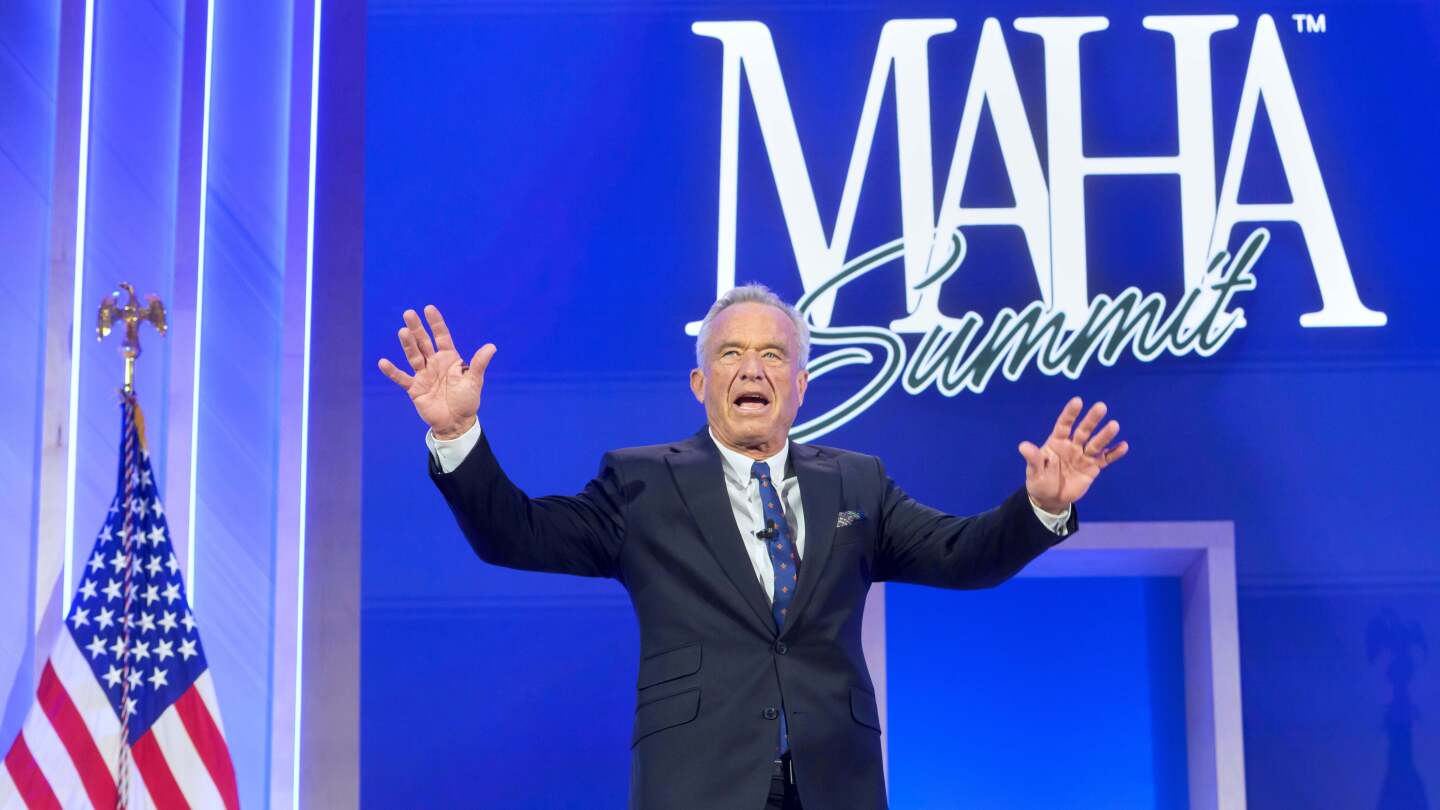
The Trump administration, through Health Secretary Robert F. Kennedy Jr., framed the change as a way to align U.S. practices with other developed nations while rebuilding public trust in vaccines. “This decision protects children, respects families, and rebuilds trust in public health,” Kennedy stated on Monday.
President Trump endorsed the move on his Truth Social platform, calling the new schedule “far more reasonable” and saying it “finally aligns the United States with other Developed Nations around the World.”
The Department of Health and Human Services (HHS) indicated the overhaul came in response to a December request from President Trump to review how peer countries approach vaccine recommendations. Officials claimed their comparison with 20 other nations revealed the U.S. as an “outlier” in both the number of vaccinations and doses recommended for all children.
Vaccines that remain universally recommended include those protecting against measles, whooping cough, polio, tetanus, chickenpox, and human papillomavirus (HPV). The guidance also reduces the number of recommended HPV vaccine doses from two or three to just one for most children.
Medical experts have expressed alarm over what they describe as a decision made without proper public discussion or transparent data review. Michael Osterholm of the University of Minnesota’s Vaccine Integrity Project warned, “Abandoning recommendations for vaccines that prevent influenza, hepatitis and rotavirus, and changing the recommendation for HPV without a public process to weigh the risks and benefits, will lead to more hospitalizations and preventable deaths among American children.”
Dr. Sean O’Leary of the American Academy of Pediatrics criticized the apparent comparison to other countries without proper context. “You can’t just copy and paste public health and that’s what they seem to be doing here,” he said. “Literally children’s health and children’s lives are at stake.”
The timing of the flu vaccine recommendation change is particularly concerning to experts, occurring during what’s already a severe flu season and following a winter when 280 children died from influenza – the highest number since 2009.
According to HHS senior officials who spoke on condition of anonymity, the decision was made without input from the advisory committee that typically consults on the vaccine schedule. While officials described the new recommendations as a “collaborative effort between federal health agencies,” they wouldn’t specify who was consulted.
CDC scientists reportedly presented information about vaccine schedules in other countries but were not allowed to provide recommendations or were informed about pending changes to the schedule, according to Abby Tighe, executive director of the National Public Health Coalition.
The American Medical Association expressed strong concerns about the process. “Changes of this magnitude require careful review, expert and public input, and clear scientific justification. That level of rigor and transparency was not part of this decision,” said Dr. Sandra Fryhofer of the AMA.
This shift comes amid troubling trends in U.S. vaccination rates, which have been declining while exemptions have reached an all-time high according to federal data. Simultaneously, vaccine-preventable diseases like measles and whooping cough are increasing nationwide.
The federal government’s move may be countered at the state level, where the authority to require vaccinations for schoolchildren ultimately resides. Some states have already begun forming alliances to maintain stronger vaccination standards contrary to the Trump administration’s guidance.
This is just the latest in a series of controversial vaccine policy changes under Kennedy, a longtime vaccine skeptic. In May, he announced the CDC would no longer recommend COVID-19 vaccines for healthy children and pregnant women. In June, he fired an entire 17-member CDC vaccine advisory committee, later replacing several members with known vaccine skeptics. In November, Kennedy personally directed the CDC to abandon its position that vaccines do not cause autism, despite providing no new evidence to support the change.
Fact Checker
Verify the accuracy of this article using The Disinformation Commission analysis and real-time sources.

6 Comments
Rebuilding public trust in vaccines is an admirable goal, but I’m skeptical that significantly reducing the recommended childhood vaccine schedule is the right approach. This could leave children vulnerable to preventable diseases.
I share your skepticism. Vaccines have been rigorously tested and proven safe and effective. Reducing access seems like a big risk for very little gain.
This is a major policy shift that could have far-reaching implications for public health. I’m curious to hear more about the reasoning behind it and the potential risks and benefits.
Agreed, this is a controversial and concerning move. Public health experts seem very concerned about the potential impacts on childhood vaccination rates and herd immunity.
Interesting to see the administration framing this as aligning with other developed countries. I’d want to look closely at the data and reasoning behind that claim before accepting it.
Good point. Vaccination schedules can vary between countries due to different disease prevalence and risk factors. We’d need a detailed comparative analysis to evaluate that justification.