


Listen to the article
The U.N. Security Council voted Monday to adopt a U.S.-backed resolution aimed at ending the Gaza war and deploying an international stabilization force, marking a significant diplomatic achievement for the Trump administration’s Middle East peace efforts.
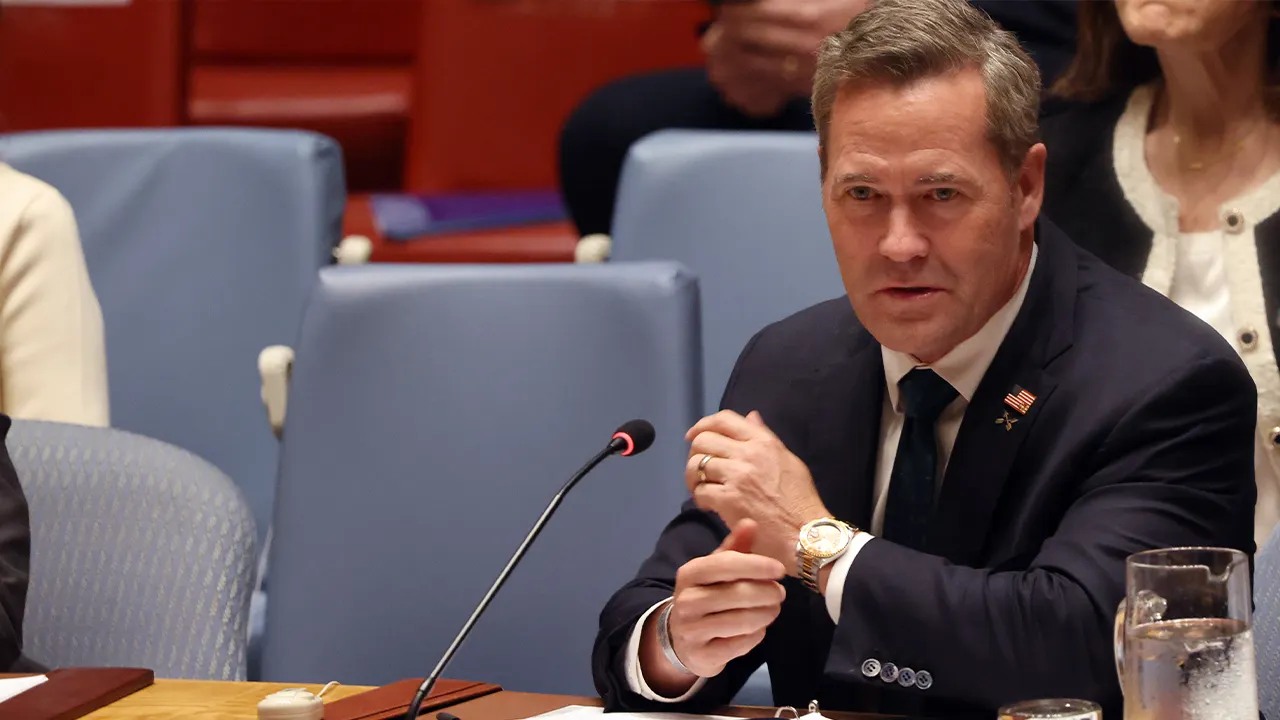
The resolution passed with overwhelming support in a 14-0 vote, with Russia among two nations that abstained. U.S. Ambassador to the United Nations Mike Waltz, addressing the council before the vote, described Gaza as “a hell on earth” after two years of devastating conflict.
“Voting yes today isn’t just endorsing a plan,” Waltz told council members. “It’s affirming our shared humanity. A vote against this resolution is a vote to return to war.”
The resolution is based on President Donald Trump’s 20-point peace plan, which Waltz characterized as “a bold, pragmatic blueprint” to end the violence and rebuild Gaza. According to Waltz, the plan has already yielded “tangible results,” including a holding ceasefire and the release of 45 hostages by Hamas. The U.S. continues to press for the return of remaining hostages still believed to be held in Gaza.
Developed through intensive U.S.-led diplomacy involving Qatar, Egypt, Saudi Arabia, the United Arab Emirates, Turkey, Pakistan, and Indonesia, the plan establishes a multinational stabilization force to secure Gaza and protect civilians while overseeing demilitarization as Israeli forces gradually withdraw from the territory.
Waltz emphasized that many of the peacekeeping forces will come from Muslim-majority nations, including Indonesia and Azerbaijan, reflecting a regional approach to establishing security in Gaza.
“The path to prosperity requires security first,” Waltz said. “Security is the oxygen that governance and development need to live and thrive.”
A central component of the plan is the creation of a “Board of Peace,” which will be led by President Trump himself. This body will coordinate humanitarian assistance, oversee reconstruction efforts, and support a technocratic Palestinian committee responsible for day-to-day administration while the Palestinian Authority implements essential reforms.
The stabilization force will take on the critical task of dismantling terrorist infrastructure, decommissioning weapons, and maintaining safety for Palestinian civilians. These security measures are seen as prerequisites for effective governance and development in the war-torn region.
“This resolution charts a path for Palestinian self-determination after the Palestinian Authority completes key reforms,” Waltz explained. “It dismantles Hamas’s grip and ensures Gaza rises free from terror’s shadow — prosperous and secure.”
The adoption of the resolution comes amid a complex geopolitical landscape in the Middle East. Russia, which abstained from the vote, had circulated a rival draft resolution. Waltz dismissed hesitation and delay, arguing they would only “cost lives,” adding that “every day without this force, aid trucks lie idle, children starve, and extremists regroup.”
Waltz credited Jared Kushner, a senior advisor to the president, and special envoy Steve Witkoff with brokering the deal that led to the resolution’s passage. Their diplomatic efforts built the international coalition necessary to move the peace plan forward.
The passage of this resolution represents a significant step in addressing one of the world’s most intractable conflicts. However, implementation will face numerous challenges, including gaining cooperation from all parties involved in the conflict, securing funding for reconstruction, and maintaining the stability necessary for Gaza’s recovery.
“President Trump’s historic 20-point plan marks the beginning of a strong, stable, and prosperous region,” Waltz concluded. “Under President Trump’s bold leadership, the United States will continue to deliver results alongside our partners to make lasting peace a reality.”
The resolution’s adoption marks a potential turning point after years of devastation in Gaza, offering hope for reconstruction and stability in a region that has seen repeated cycles of violence and destruction. Its success will ultimately depend on the willingness of all parties to embrace the path toward peace and the international community’s commitment to supporting Gaza’s long-term recovery.
Fact Checker
Verify the accuracy of this article using The Disinformation Commission analysis and real-time sources.

6 Comments
The UN Security Council’s endorsement of Trump’s Gaza peace plan is a significant diplomatic achievement. It’s encouraging to see the international community come together to address the challenging situation in Gaza.
I’m curious to see how the proposed international stabilization force will be implemented and whether it can help bring lasting peace to the region.
While it’s positive that the plan has garnered broad international support, the true test will be in its effective implementation and ability to address the complex dynamics in the region.
Ongoing US diplomacy with key regional players like Qatar, Egypt, and Saudi Arabia will be crucial for navigating the challenges ahead.
Ambassador Waltz’s description of Gaza as a ‘hell on earth’ is a sobering reminder of the devastating impact of the conflict. Rebuilding Gaza and addressing the underlying issues will be critical for sustainable peace.
I hope the plan’s ‘tangible results’ like the ceasefire and hostage releases are just the start of meaningful progress on the ground.