


Listen to the article
Trump’s Controversial Pardons in 2025: Personal Connections and Political Allies Dominate Clemency Decisions
President Donald Trump’s use of clemency powers in 2025 has drawn significant attention for both its scope and pattern, as he granted pardons and commutations to individuals with personal connections, shared grievances, or political alignments.
Unlike the measured approach of previous administrations, Trump’s clemency decisions have followed a distinctly transactional pattern, often benefiting those who publicly supported him or shared his views on controversial issues.
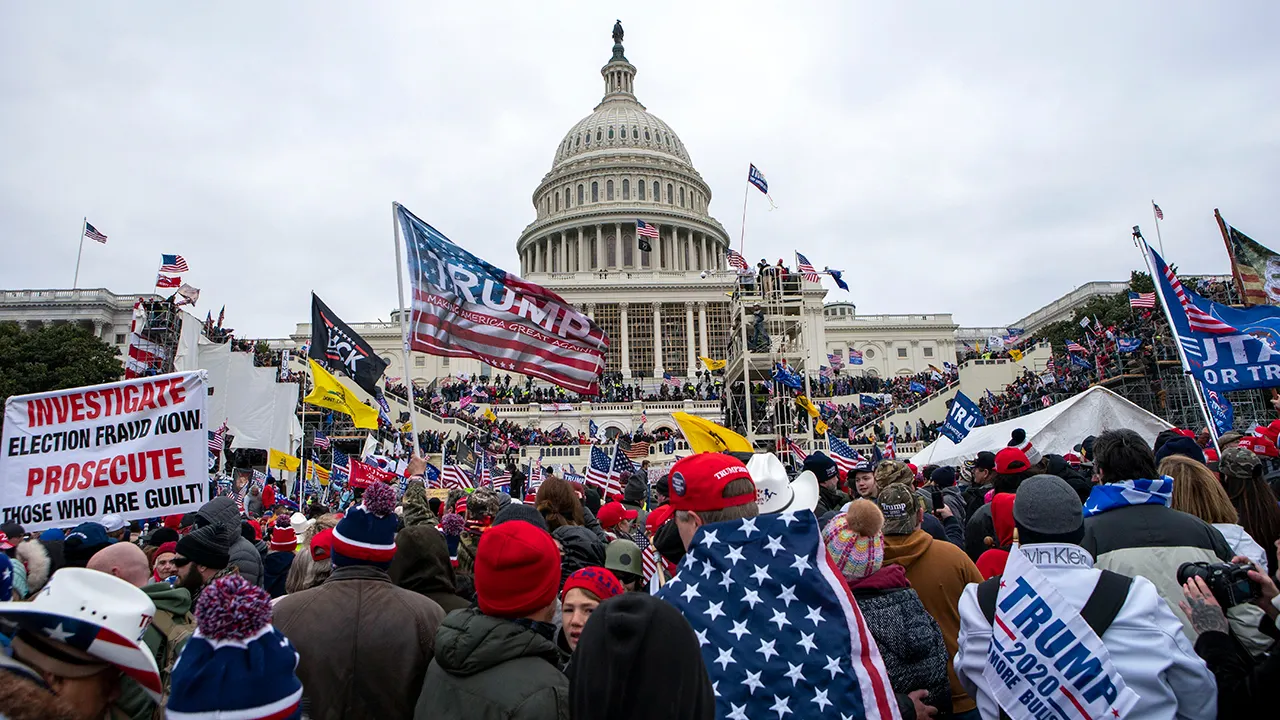
On his first day back in office, Trump issued mass clemency to nearly all supporters convicted of federal offenses related to the January 6, 2021, Capitol riot. This sweeping action effectively dismantled one of the Justice Department’s largest law enforcement operations in recent history, which had secured guilty pleas or convictions for more than 1,200 defendants out of approximately 1,600 charged.
“They had been treated very unfair,” Trump stated when announcing the pardons. He specifically singled out 14 defendants with lengthy prison sentences for commutations rather than full pardons, including several Oath Keepers and Proud Boys leaders. The president also directed the DOJ to drop pending cases against all remaining defendants.
The cryptocurrency industry benefited from Trump’s clemency decisions as well. In October, he pardoned Changpeng Zhao, founder and former CEO of Binance, the world’s largest cryptocurrency platform. Zhao had been convicted of anti-money laundering violations. The timing raised eyebrows among critics, as the pardon came just one week after Donald Trump Jr. introduced a Zhao lobbyist to his father at a public event. While some observers noted connections between Binance and the Trump family’s cryptocurrency ventures, Zhao’s lawyer denied any business motivations, telling The Wall Street Journal the pardon was granted “for justice.”
George Santos, the former congressman notorious for fabricating his background, received a commutation of his seven-year prison sentence in October. Santos had pleaded guilty to federal fraud and identity theft charges, admitting to using campaign funds for luxury products and personal debt. His commutation angered fellow Long Island Republicans, including Rep. Andrew Garbarino, who called it “not justice” and unfair to Santos’ victims. Trump justified the decision by claiming Santos faced “horrible mistreatment” in prison, including “solitary confinement for long stretches of time.”
In an unusual case highlighting the informal nature of Trump’s clemency process, sports executive Tim Leiweke received a pardon after being charged by the Justice Department’s Antitrust Division with rigging a bid to build an arena at the University of Texas. According to Wall Street Journal reporting, former Rep. Trey Gowdy, representing Leiweke, secured the pardon during a round of golf with Trump at Mar-a-Lago.
Perhaps the most controversial pardon went to Juan Orlando Hernandez, Honduras’ former president, who had been sentenced to 45 years in U.S. federal prison for helping cocaine traffickers move hundreds of tons of narcotics into the United States. Trump’s December pardon freed Hernandez just days before Honduras’ presidential election, prompting the country to issue a warrant for his arrest. Critics pointed out that releasing a convicted drug trafficker contradicted Trump’s stated agenda of cracking down on drug trafficking.
Entertainment figures also received clemency, with reality TV stars Todd and Julie Chrisley of “Chrisley Knows Best” pardoned in May while serving sentences for bank fraud and tax evasion. Their daughter Savannah, who endorsed Trump at the Republican National Convention before the 2024 election, has since secured a co-hosting role on “The View,” where her future colleagues had previously criticized the pardon as unethical.
Political considerations appeared to drive other clemency decisions, including pardons for Devon Archer, a former business associate of Hunter Biden who later aided House Republicans in their investigations of the Biden family, and Democratic Congressman Henry Cuellar and his wife, who faced federal bribery charges. Trump claimed the Cuellars were unfairly targeted because the congressman supported stronger border security than many Democrats, but later expressed displeasure when Cuellar filed for reelection as a Democrat, writing on social media: “Such a lack of LOYALTY. Oh well, next time, no more Mr. Nice guy!”
The legal limits of presidential clemency were tested when Trump attempted to pardon Tina Peters, a former Colorado elections clerk serving a 9-year state prison sentence for orchestrating a data breach scheme related to 2020 election fraud claims. Legal experts and state officials maintain that presidential pardon power does not extend to state convictions, leaving Peters’ status unresolved.
While presidents throughout history have issued controversial pardons, Trump’s 2025 clemency actions have distinguished themselves through their volume and the clear pattern of rewarding loyalty and shared grievances, reflecting his distinctive approach to executive power.
Fact Checker
Verify the accuracy of this article using The Disinformation Commission analysis and real-time sources.

12 Comments
As a supporter of Trump, I can understand the rationale behind these pardons – he’s standing up for those he feels were unfairly targeted. However, the scale and timing of these actions do raise valid questions about political motivations. It’s a complex issue without easy answers.
I respect your perspective as a Trump supporter, but I have to disagree on this one. Pardoning rioters who attacked the Capitol undermines the integrity of the justice system. Even if one believes they were treated unfairly, such actions set a dangerous precedent that could erode the rule of law.
From a purely legal standpoint, the president does have broad clemency powers. But the pattern of Trump’s pardons, particularly targeting his political allies and supporters, raises serious ethical concerns. The justice system must be applied fairly and impartially, not as a political tool.
I agree, the president’s clemency authority is broad but should not be abused for partisan gain. Upholding the independence and integrity of the justice system is critical for maintaining public trust. These pardons, regardless of one’s political leanings, set a worrying precedent.
I’m quite skeptical of Trump’s rationale for these pardons. Claiming those involved in the Capitol riot were ‘treated unfairly’ is a stretch, given the gravity of their crimes. This seems more like rewarding his political base than upholding impartial justice. A concerning development.
I agree, these pardons do appear to be more about political payback than the fair application of the law. The president’s clemency powers are important but should not be exploited for narrow partisan gain. It’s a worrying precedent that could further erode public trust in the justice system.
Trump’s use of clemency does seem quite broad and partisan compared to past presidents. Granting mass pardons to Capitol rioters is a bold and divisive move. It will likely energize his base but outrage his critics. The long-term ramifications for the justice system remain to be seen.
I agree, this sets a concerning precedent. Pardoning those involved in an attack on the democratic process is highly problematic, no matter one’s political leanings. It will be crucial for the courts and Congress to uphold the rule of law in the face of such controversial executive actions.
Interesting to see how Trump continues to wield his pardon powers, even years after his presidency. While some may see it as controversial, his supporters likely view it as standing up for those who were ‘treated unfairly’. It will be fascinating to see how this plays out politically.
You raise a good point. Pardons are a complex issue, with valid arguments on both sides. It will be important to closely examine the details and merits of each case, rather than making blanket judgments.
As someone who follows politics closely, I have to say I’m quite troubled by these pardons. Granting clemency to those involved in the Capitol attack, simply because they were Trump supporters, is a dangerous overreach of executive power. It undermines the foundations of democracy.
Well said. These pardons appear to be more about political loyalty than the fair administration of justice. I worry this sets a precedent that could be abused by future presidents of any party. Upholding the rule of law should transcend partisan interests.