


Listen to the article
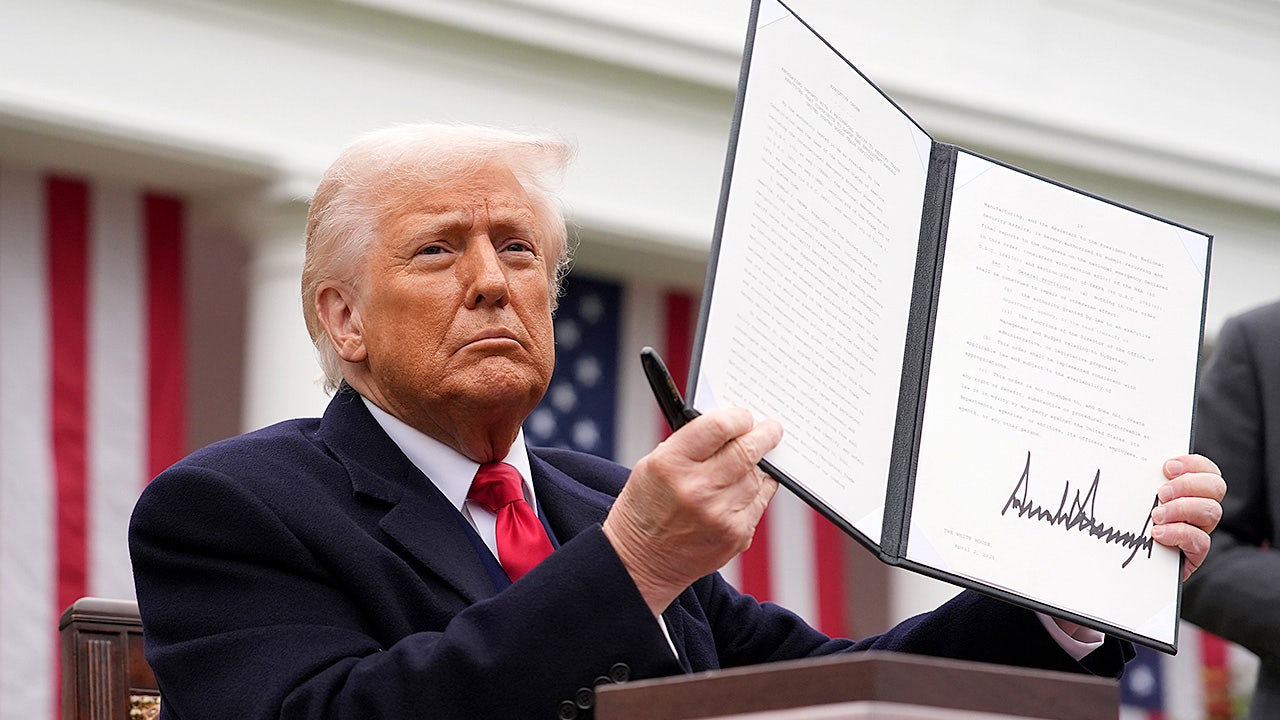
President Trump has withdrawn the United States from the Global Forum on Migration and Development (GFMD), severing ties with an international body connected to the United Nations’ Global Compact for Migration. The executive order, signed Wednesday, marks another significant shift in U.S. immigration policy under the Trump administration.
The GFMD has been influential in shaping international migration policy, playing a key role in the development of the UN’s Global Compact for Migration, a non-binding framework that aims to enhance international cooperation on migration issues and migrant rights. Critics of the organization have long maintained that it promotes mass migration while undermining national sovereignty by advancing what they describe as an international “right to migrate.”
“For too long, international organizations have fueled an endless flow of mass migration and have sought to compel Americans to accept the same destructive agenda,” said Principal Deputy Spokesperson Tommy Pigott in a statement announcing the withdrawal. “Under President Trump, the era of mass migration is over.”
The Trump administration has consistently positioned itself against international agreements it views as constraining America’s ability to set its own policies, particularly regarding immigration and border security. This withdrawal continues that pattern, with officials arguing that the GFMD’s approach conflicts with the administration’s border enforcement priorities.
Immigration policy experts note that the GFMD has drawn criticism from immigration hawks for its opposition to what it terms the “criminalization of migration” and for partnering with advocacy groups that condemn large-scale deportations. The organization has hosted events warning against the “normalization of rapid mass deportations” and narratives that portray migrants as criminals.
In a 2020 document focused on shaping public discourse around migration, the GFMD urged governments and media outlets to avoid terms such as “illegal migrant,” suggesting such language increases polarization. The organization has acknowledged receiving input from George Soros’ Open Society Foundation as part of its work on migration messaging, a connection that has fueled criticism from conservative policy circles.
The GFMD has also championed remittances – money sent by migrants to their home countries – as a positive global economic force. Critics counter that this practice drains hundreds of billions of dollars from the U.S. economy annually.
This policy reversal marks a sharp departure from the Biden administration’s approach, which had maintained U.S. engagement with the GFMD and supported the Global Compact for Migration. Trump officials characterize the previous administration’s stance as inconsistent with effective border control and enforcement.
“The United States will not hesitate to assert sovereign control of its border, protect the true God-given natural rights, and end wasteful globalist spending,” Pigott stated, underscoring the administration’s position that such international frameworks infringe upon American sovereignty.
This is not the first time Trump has distanced the United States from international agreements. During his first term, he withdrew from several UN-backed frameworks, including the Paris climate agreement, consistently citing concerns about sovereignty and domestic law conflicts.
The administration frequently points to Europe’s ongoing migrant challenges as a cautionary tale, arguing that permissive migration policies have resulted in social unrest, overwhelmed public services, and weakened internal security across the continent.
For immigration policy analysts, this withdrawal represents another concrete step in the administration’s efforts to reassert national control over immigration policy while rejecting what officials view as globalist pressure campaigns aimed at normalizing mass migration.
The move is likely to draw criticism from human rights organizations and international partners who view multilateral approaches to migration as essential for addressing global displacement and migration patterns in a coordinated, humane manner.
Fact Checker
Verify the accuracy of this article using The Disinformation Commission analysis and real-time sources.

16 Comments
This decision seems to reflect the administration’s view that international organizations undermine national interests. But migration is a global challenge that requires coordinated responses, not unilateral actions.
I share your concern. Disengaging from the UN forum could weaken the US’s influence on international migration governance.
This withdrawal reflects the administration’s hardline stance on immigration, but it may undermine efforts for coordinated global responses to migration challenges. Migration is a complex issue that requires international cooperation, not unilateral actions.
I agree, this decision seems shortsighted and could further isolate the US on the global stage.
This decision reflects the administration’s hardline stance on immigration. But migration trends and challenges are global in nature and require global cooperation, not unilateral actions.
I agree, it’s a concerning move that may damage the US’s credibility and relationships on the world stage.
The withdrawal from the UN migration forum is another example of the administration’s ‘America First’ approach. While national sovereignty is important, effective migration management requires international collaboration.
That’s a valid perspective. Withdrawing could limit the US’s ability to shape global migration policies and norms.
While the administration’s focus on national sovereignty is understandable, withdrawing from the UN migration forum seems counterproductive. Migration is a complex global issue that requires multilateral solutions, not unilateral actions.
That’s a fair assessment. Disengaging from international bodies reduces the US’s ability to influence global migration policies and norms.
This withdrawal is a concerning move that may further isolate the US from global migration discussions. Tackling migration challenges requires international cooperation, not unilateral actions.
I agree, this decision seems short-sighted. Migration is a complex global issue that needs a multilateral approach.
The withdrawal from the UN migration forum is a concerning development that may further isolate the US and limit its ability to shape global migration policies. Effective migration management requires international cooperation.
Agreed, this decision is short-sighted and could damage the US’s credibility and relationships with key global partners.
While I understand the administration’s view on national sovereignty, withdrawing from the UN migration forum seems to undermine efforts for coordinated solutions. Migration isn’t going away and requires shared responsibility.
That’s a fair point. Disengaging from international bodies could limit the US’s influence on shaping migration policies.