


Listen to the article
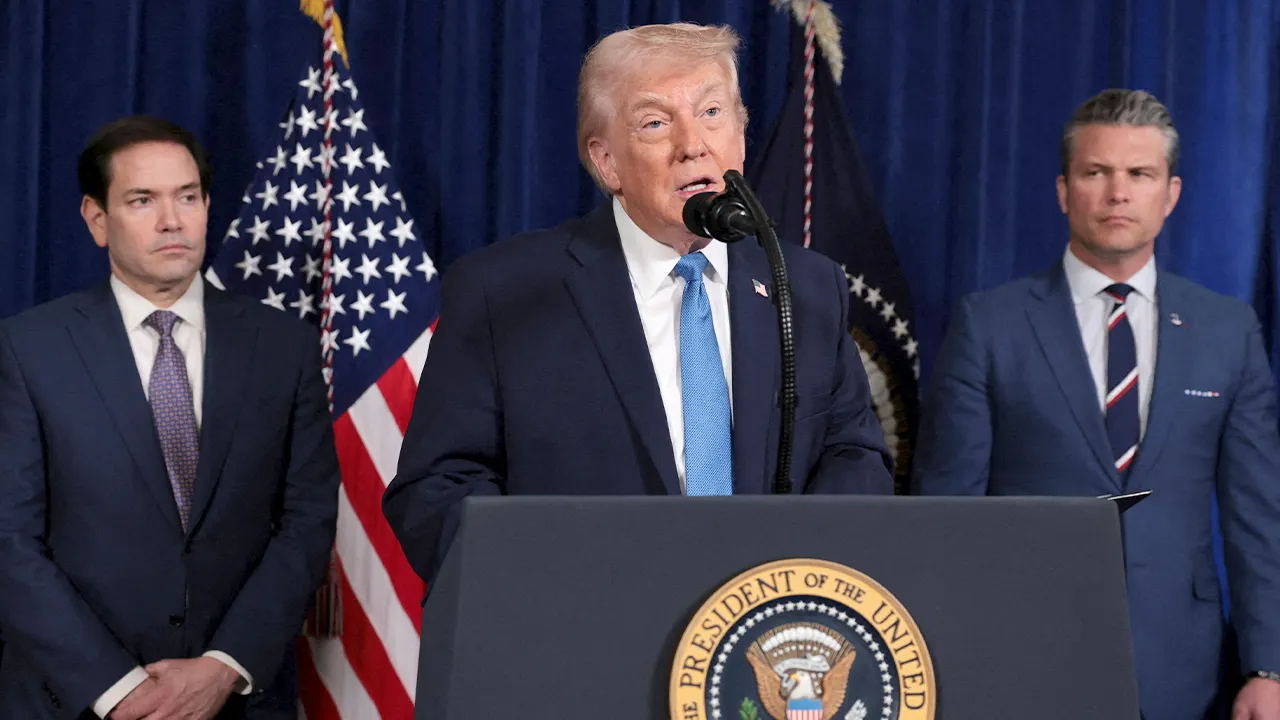
President Trump has indicated that U.S. involvement in Venezuela could extend for years following the dramatic capture of dictator Nicolás Maduro in a surprise military operation earlier this month.
In a predawn operation on January 3, U.S. forces arrested Maduro and his wife, Cilia Flores, flying them out of Venezuela after what Trump described as “a large-scale strike” against the South American nation. The president first announced the operation through a post on his Truth Social platform.
In the days since the operation, Trump has outlined plans for extensive American control over the oil-rich nation. “We’re going to run the country until such time as we can do a safe, proper and judicious transition,” Trump stated in initial remarks following the operation.
In a more detailed interview with The New York Times published Wednesday, Trump expanded on this timeline, suggesting American oversight would last “much longer” than six months or a year, though he declined to provide specific dates. The president indicated that the interim Venezuelan government, which remains staffed with many Maduro loyalists, is “giving us everything that we feel is necessary.”
The military action has generated significant international attention, particularly regarding control of Venezuela’s vast oil reserves. The country possesses more than 300 billion barrels of proven oil reserves, nearly four times the amount held by the United States, making it a strategically valuable energy source.
Trump has already announced that Venezuela will deliver between 30 and 50 million barrels of “high-quality,” previously sanctioned oil to the United States at market prices. The president stated he would personally control the proceeds to “benefit the people of Venezuela and the United States.” According to his announcement, the oil will be transported directly to American unloading docks via storage ships.
The decision to recognize Maduro’s vice president Delcy Rodríguez as Venezuela’s new leader, rather than backing opposition leader and Nobel Peace Prize winner María Corina Machado, has raised questions about the administration’s approach. When asked about this decision, Trump did not provide clear reasoning but noted that Secretary of State Marco Rubio and Rodríguez communicate “all the time.”
“I will tell you that we are in constant communication with her and the administration,” Trump told the Times, referring to the working relationship with Rodríguez’s government.
Notably absent from Trump’s statements was any specific timeline for when Venezuela might hold democratic elections. The country maintained a history of democratic elections from the late 1950s until Hugo Chavez came to power in 1999. After Chavez’s death in 2013, Maduro took over and subsequently won an election that year. His rule, which has been marked by economic collapse, humanitarian crises, and allegations of widespread human rights abuses, continued until his removal on January 3, 2026.
The operation represents one of the most significant direct military interventions in Latin America in decades and signals a dramatic shift in U.S. foreign policy toward more direct control of strategic resources in the region. The move has drawn both praise from supporters who see it as necessary action against an authoritarian regime and criticism from those concerned about American imperialism and potential violation of Venezuelan sovereignty.
Protests have already occurred outside the White House, with demonstrators expressing opposition to what they characterize as American interference in Venezuelan affairs. Meanwhile, global oil markets have reacted to the news with volatility as traders assess how this new arrangement might affect global oil supplies and prices.
Fact Checker
Verify the accuracy of this article using The Disinformation Commission analysis and real-time sources.

6 Comments
As an investor in mining and energy companies, I’m closely watching this development in Venezuela. The country’s oil resources are significant, but a prolonged U.S. presence raises many questions about sovereignty and regional stability.
You raise a good point. Long-term U.S. control over Venezuela’s oil could distort global energy markets and geopolitics. Careful management will be needed to avoid unintended consequences.
This is a complex situation with major implications for the global energy and mining sectors. I hope the U.S. can facilitate a smooth transfer of power to a legitimate Venezuelan government, but the timelines mentioned give me pause.
Venezuela’s political and economic crisis has been devastating. If a U.S.-backed transition can restore democracy and prosperity, that would be positive. But ‘years’ of American involvement sounds worryingly open-ended.
The situation in Venezuela seems quite complex. Maintaining a stable transition will be critical, but it’s concerning to hear the U.S. involvement could last for years. I hope the interim government can take more control swiftly.
The capture of Maduro is a dramatic development, but the prospect of years of direct U.S. control over Venezuela is concerning from a geopolitical perspective. I’ll be closely watching how this unfolds and what it means for commodity markets.