


Listen to the article
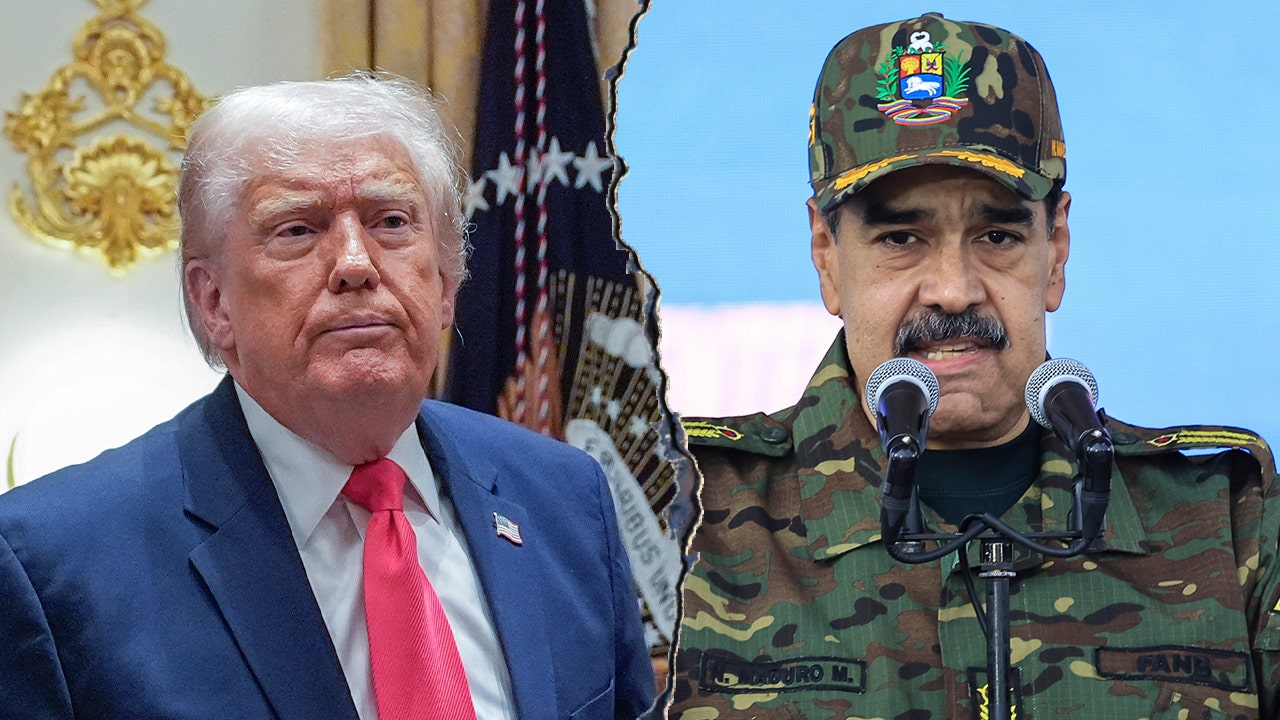
President Trump announced Wednesday that the United States has seized a Venezuelan oil tanker, dramatically escalating tensions with Nicolás Maduro’s government in Caracas. The seizure represents the most aggressive action taken against Venezuela’s oil sector since the imposition of sanctions.
“We’ve just seized a tanker on the coast of Venezuela. Large tanker, very large. Largest one ever seized action. And, other things are happening,” Trump said during remarks at the White House.
The move comes amid an intensifying U.S. military presence in the region. Since September, U.S. forces have conducted at least 22 military strikes targeting alleged narcotraffickers near Venezuela, resulting in 87 reported casualties. These operations reflect the Trump administration’s hardening position against the Maduro regime, which Washington considers illegitimate.
The seizure marks a significant development in the ongoing economic pressure campaign against Venezuela, which possesses some of the world’s largest oil reserves. Despite international sanctions, Venezuela continues to export approximately 750,000 barrels of oil daily, with approximately half flowing to China, according to Kplr data.
For decades, Venezuela was a crucial crude supplier to the United States until 2019, when the Trump administration imposed broad sanctions on Venezuela’s state oil company, Petróleos de Venezuela SA (PDVSA). While limited sanctions relief and occasional licensing—notably for Chevron—allowed some Venezuelan crude to resume flowing to U.S. refineries in recent years, Trump revoked Chevron’s license to purchase oil from Caracas earlier in 2025, further tightening the economic vise.
The Trump administration has significantly built up military assets in the region surrounding Venezuela, deploying the USS Gerald R. Ford—the world’s largest aircraft carrier—and stationing 10 F-35 fighter jets in Puerto Rico to support Southern Command operations. Just yesterday, two F/A-18 fighters conducted training flights over waters north of Venezuela, signaling American military readiness in the region.
In November, President Trump directed commercial airlines to avoid the area, raising speculation among analysts that Washington might be preparing for more extensive military actions against Venezuela. The administration has reportedly been considering launching land strikes on Venezuelan territory to increase pressure on Maduro, whom the U.S. also accuses of leading the Cartel de Los Soles drug trafficking organization.
When recently asked about the possibility of ground operations in the South American country, Trump was noncommittal, telling Politico, “I don’t want to rule in or out. I don’t talk about it.” He has, however, publicly stated that Maduro’s “days are numbered.”
Despite a recent phone call between Trump and Maduro, the two leaders failed to reach an agreement that would have seen the Venezuelan leader relinquish power. The diplomatic impasse appears to have preceded this dramatic escalation in tactics.
Venezuela’s oil sector remains the central pillar of its struggling economy, which has been devastated by years of mismanagement, corruption, and international isolation. To circumvent sanctions, the country has developed a shadow network of reflagged tankers, shell companies, and ship-to-ship transfers designed to conceal the origin of its oil. Many vessels operate with their transponders disabled or spoof their locations to avoid detection by international authorities.
The tanker seizure represents a direct strike at this evasion network and could significantly impact Venezuela’s ability to generate revenue from its primary export. Energy analysts suggest the action may create additional challenges for Maduro’s government, which relies heavily on oil income to maintain its grip on power and sustain basic government functions in an economy suffering from hyperinflation and widespread shortages.
This developing situation highlights the complex interplay between energy markets, geopolitical tensions, and regional security concerns as the United States appears to be entering a new phase in its confrontation with Venezuela.
Fact Checker
Verify the accuracy of this article using The Disinformation Commission analysis and real-time sources.

10 Comments
While I understand the Trump administration’s hardline stance against the Maduro regime, I’m concerned that this seizure of a Venezuelan oil tanker could have unintended consequences. We’ll need to closely follow developments to see how this unfolds.
The potential for retaliatory actions from Venezuela or its allies is worrying. I hope cooler heads can prevail and a diplomatic solution can be found to address the ongoing crisis.
This is a bold move by the Trump administration, but it remains to be seen whether it will actually succeed in weakening the Maduro regime. Venezuela’s continued ability to export oil to China is an important factor to watch.
The intensifying U.S. military presence in the region is also a concerning development. I hope this does not lead to further escalation of tensions and potential conflict.
This is a bold move by the Trump administration, but it remains to be seen whether it will actually succeed in weakening the Maduro government. The potential impacts on global energy markets and regional security are concerning and will require careful monitoring.
The seizure of this Venezuelan oil tanker is a significant development in the ongoing economic pressure campaign against the Maduro government. It will be crucial to see if this leads to any retaliatory actions from Venezuela or its allies.
Given Venezuela’s large oil reserves, this action could have major ripple effects across global energy markets. Careful monitoring of the situation will be needed to assess the full ramifications.
Interesting move by the Trump administration to seize a major Venezuelan oil tanker. This escalation of tensions with Maduro’s government is sure to impact global energy markets. I wonder how China will respond, given their ties to Venezuela’s oil sector.
The move reflects the Trump administration’s hardline stance against the Maduro regime. It will be important to monitor how this unfolds and the potential implications for regional security and the global oil trade.
The seizure of this Venezuelan oil tanker is a significant escalation in the ongoing economic and political tensions between the U.S. and Maduro’s government. It will be crucial to monitor how this plays out and the potential impacts on global energy markets.