


Listen to the article
President Trump Signs Temporary Extension of Surveillance Law After Senate Rejects Longer Renewal
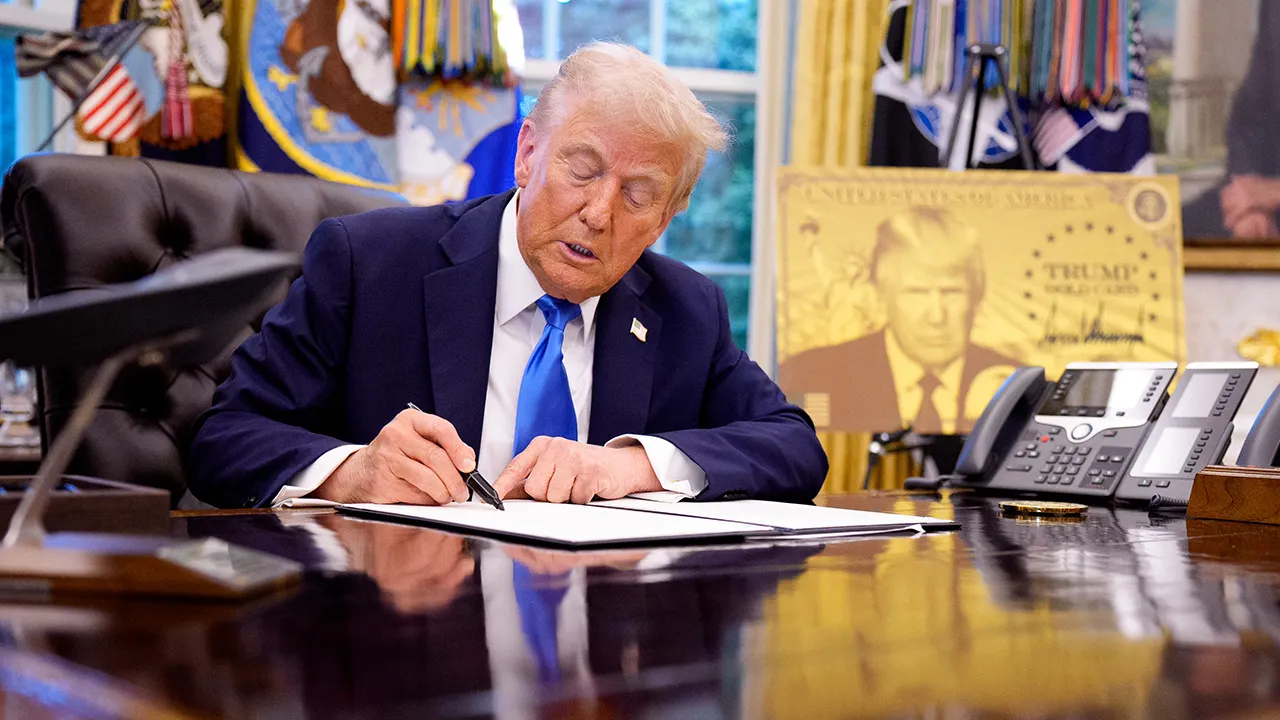
President Donald Trump has signed a 45-day extension for Section 702 of the Foreign Intelligence Surveillance Act (FISA) after the Senate rejected a more comprehensive three-year extension that had been approved by the House, the White House confirmed.
The short-term measure came after Senate Majority Leader John Thune, R-S.D., had warned that the House-passed version would face significant hurdles in the Senate. Thune specifically pointed to a provision that would permanently ban the Federal Reserve from issuing central bank digital currencies (CBDC) as making the bill “dead on arrival” in the upper chamber. As predicted, the three-year extension failed to pass due to Democratic opposition.
With the authorization set to expire, the Senate approved the temporary 45-day extension by unanimous consent as a stopgap measure, which Trump subsequently signed. Once this short extension expires, lawmakers will need to restart the entire FISA reauthorization process from the beginning.
Section 702 of FISA allows the federal government to compel phone and internet providers to provide information about foreign targets without obtaining a warrant, including communications between those foreign targets and American citizens. The program has long been a focal point of debate in Washington’s surveillance policy discussions.
The surveillance authority has drawn criticism from civil liberties advocates who argue it undermines Americans’ privacy rights and potentially violates Fourth Amendment protections against unreasonable searches. Rep. Chip Roy, R-Texas, emphasized this concern during Tuesday’s debate, stating, “We should all be standing up for the Fourth Amendment.”
Meanwhile, intelligence officials and law enforcement agencies have consistently defended the program as an essential tool in combating terrorism, drug trafficking networks, and cybersecurity threats including ransomware attacks.
The House had attempted to address conservatives’ concerns by attaching the CBDC ban to the FISA extension. Republican leadership hoped this addition would win over conservative holdouts who fear a government-issued digital dollar could give federal authorities expanded visibility into Americans’ financial transactions.
Despite this concession, more than 20 House Republicans maintained their opposition to the FISA extension even with the CBDC ban included, illustrating the deep divisions within the GOP on surveillance issues.
The temporary extension represents yet another example of Congress relying on short-term fixes rather than addressing more fundamental questions about the balance between national security and civil liberties. The 45-day timeline means the debate will likely resurface before the end of the year, potentially amid a post-election political landscape.
Intelligence community leaders have repeatedly warned that allowing Section 702 to lapse entirely would significantly hamper national security operations. Meanwhile, privacy advocates argue that meaningful reforms are needed to protect Americans’ constitutional rights.
The controversy surrounding FISA has intensified in recent years following revelations about surveillance practices and concerns about potential political abuses of the system. These debates have created unusual political alliances, with some progressives and libertarian-leaning conservatives finding common ground in their skepticism of expansive government surveillance powers.
With the clock now ticking on the temporary extension, lawmakers will need to determine whether a more permanent solution can be crafted that addresses both national security priorities and civil liberties concerns.
Fact Checker
Verify the accuracy of this article using The Disinformation Commission analysis and real-time sources.

20 Comments
The FISA reauthorization process seems like it will continue to be contentious. Curious to see how the debate evolves and what kind of long-term solution emerges.
Agreed, this is a complex issue with valid concerns on both sides. Hope the lawmakers can find a balanced approach that protects national security and civil liberties.
The temporary FISA extension highlights the challenges of reforming surveillance laws. Hope lawmakers can find a more permanent solution that addresses all the key concerns.
Agree, it’s a delicate balance. Glad to see the Senate pushing for a more thorough review before approving a longer-term renewal.
This FISA extension issue touches on some complex and sensitive topics around surveillance, privacy, and national security. I’ll be following the debate closely to see how it unfolds.
Yes, it’s a delicate balance. Curious to hear different perspectives on the merits and drawbacks of the FISA provisions.
Interesting that the Senate rejected a longer-term FISA extension. Careful balance needed between national security and civil liberties. Curious to see how this plays out going forward.
Agreed, the short-term extension seems like a temporary fix. Hope lawmakers can find a more permanent solution that addresses all the concerns.
It’s good to see the Senate pushing back on the longer FISA renewal and demanding a more thorough review. Surveillance powers need to be balanced with civil liberties.
Absolutely. These are complex topics and it’s important that any FISA reforms strike the right balance. Appreciate the Senate taking a thoughtful approach.
Interesting that the Senate rejected the House-passed FISA extension. Curious to see how the negotiations play out and what kind of compromise they can reach on these sensitive surveillance laws.
Yes, it will be important to find the right balance. Appreciate the Senate pushing back and hope they can come to a thoughtful long-term solution.
The short-term FISA extension highlights the challenges of reforming surveillance laws. Glad to see the Senate pushing back on the longer renewal, but hope they can find a more lasting solution.
Absolutely. These are important issues that deserve thorough consideration by lawmakers. Looking forward to seeing what compromise they can reach.
The FISA extension issue highlights the ongoing tensions around surveillance, privacy, and national security. Hope lawmakers can work together to find an approach that addresses all the key concerns.
Agreed, these are critical issues that deserve careful consideration. Looking forward to seeing how the debate evolves and what kind of compromise emerges.
Interesting that the Senate rejected the House-passed FISA extension. These are sensitive issues around surveillance, privacy and national security that deserve careful consideration.
Absolutely. Hope lawmakers can find a balanced approach that protects civil liberties while also addressing legitimate national security concerns.
The FISA reauthorization process seems like it will continue to be contentious. Appreciate the Senate taking a thoughtful approach and pushing for a more thorough review.
Agreed, these are complex issues that require a careful balance. Looking forward to seeing what kind of compromise emerges from the debate.