


Listen to the article
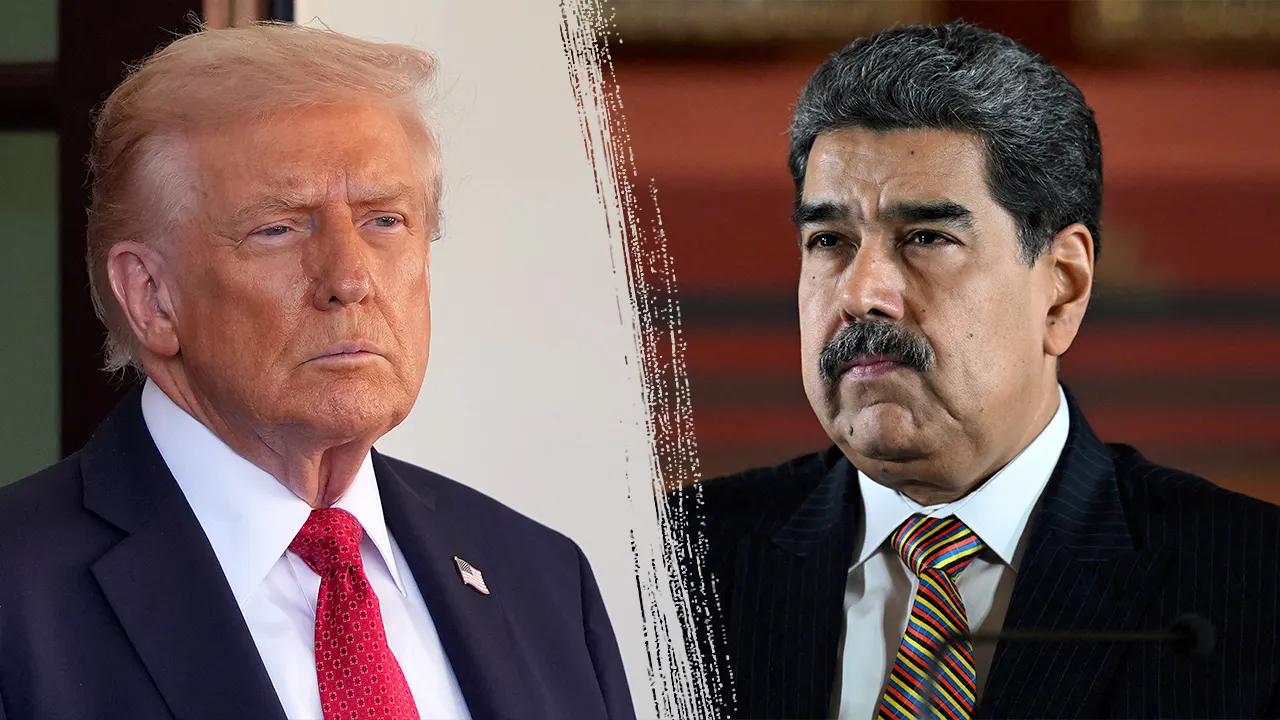
President Trump indicated on Sunday that Venezuelan President Nicolás Maduro is seeking diplomatic talks with the United States amid escalating tensions between the two nations. Speaking to reporters before boarding Air Force One in West Palm Beach, Trump clarified that while his administration has not planned or authorized any land-based military operations against Venezuela, recent designations of Venezuelan-linked cartels provide options for targeting Maduro’s assets and infrastructure.
“It allows us to do that,” Trump said regarding potential actions against Venezuela. “But we haven’t said we’re going to do that…we may be having some discussions with Maduro, and we’ll see how that turns out. They would like to talk.”
The president’s comments come as his administration intensifies efforts to combat drug trafficking through Venezuela and Mexico. Trump emphasized that while his team is keeping Congress informed about these operations, he does not require congressional approval to take action. The communication with lawmakers is primarily to maintain transparency rather than seek authorization.
“We like to keep Congress involved,” he said. “I mean, we’re stopping drug dealers and drugs from coming into our country.”
Trump also issued a warning to congressional representatives about the dangers of leaking sensitive information that could jeopardize American military or intelligence personnel. While supporting transparency in principle, he stressed that divulging classified operational details could put lives at risk.
“The only thing I don’t want them to do is leak information that’s very important and confidential,” Trump explained. “And they put our military at risk or whoever is doing, you know, CIA, military, etc.”
The president noted that several countries are supporting U.S. pressure on Venezuela as part of a broader campaign against narcotics trafficking and illegal immigration. He specifically accused the Maduro regime of releasing violent prisoners into the United States, claiming his administration is now working to remove these individuals.
“Yeah, we have great support because it’s all about drugs,” Trump said. “Well, in Venezuela’s case, it’s about drugs, and it’s also about thousands, hundreds of thousands, of people that they’ve released into our country.”
This diplomatic engagement comes after the U.S. Southern Command released footage last month showing a precision strike by American forces on a narcotics vessel operated by a designated terrorist organization in the Eastern Pacific, indicating the administration’s willingness to use military force against drug trafficking operations.
The tensions with Venezuela represent one facet of Trump’s broader focus on border security and immigration enforcement since returning to office. He placed blame on the previous Biden administration for what he described as a historic border crisis, claiming they allowed millions of unvetted immigrants, including criminals, to enter the United States.
“The single worst thing they did is allow 20 or 25 million people to pour into our country,” Trump claimed. “People from prisons, drug dealers, mental institutions, bad people, gang members – to allow that to happen to the United States, totally unchecked and unvetted, should never be forgotten.”
Secretary of State Marco Rubio has been directed to meet with lawmakers to communicate that the United States will not tolerate narcotics flowing through either Venezuela or Mexico, signaling the administration’s determination to maintain pressure on both nations while potentially exploring diplomatic channels with the Maduro regime.
The situation highlights the complex interplay between diplomatic engagement, military posturing, and domestic policy concerns that characterize the current U.S. approach to Venezuela under the Trump administration.
Fact Checker
Verify the accuracy of this article using The Disinformation Commission analysis and real-time sources.

16 Comments
The designation of Venezuelan-linked cartels as potential targets for US action is a significant escalation. I wonder how this might impact the dynamics on the ground and the broader regional security situation.
Disrupting the activities of these drug trafficking organizations could have wide-ranging consequences, both intended and unintended. Careful planning and assessment of the risks will be crucial.
Interesting diplomatic developments regarding Venezuela. It’s encouraging to see both sides potentially open to negotiations, despite the ongoing tensions. I wonder what specific issues could be on the table for discussion.
Diplomacy is always preferable to military action if possible. Hopefully any talks can lead to a peaceful resolution of the crisis in Venezuela.
I’m curious to see how the potential talks between the US and Maduro’s government might unfold. Given the deep divisions and distrust, it will likely be a delicate process. But any diplomatic progress would be welcome at this stage.
Successful negotiations would require significant compromises and concessions from both sides. It remains to be seen whether the parties are willing to make the necessary sacrifices for the sake of peace.
Combating drug trafficking through Venezuela and Mexico seems like a prudent move, given the scale of the problem. I’m curious to learn more about the specific actions the US administration is considering, and how they might impact the situation on the ground.
Drug cartels have fueled so much instability in the region. Any efforts to disrupt their operations and finances could have far-reaching positive impacts.
While military options remain on the table, it’s encouraging to see the administration exploring diplomatic avenues as well. Negotiated solutions are always preferable to the use of force, if they can be achieved.
Maintaining a balanced approach, with both coercive and cooperative elements, may be the best path forward. The key will be finding the right mix of strategies to address the complex challenges in Venezuela.
It’s an intriguing development that Maduro seems open to talks with the US, given the long-standing hostility between the two governments. I wonder what might have prompted this apparent shift in his position.
The prospect of diplomatic engagement, even if tentative, is always preferable to continued escalation of tensions. Hopefully both sides can find common ground and work towards a peaceful resolution.
The Trump administration’s emphasis on combating drug trafficking in the region is understandable, given the scale of the problem. However, I’m curious to see how this strategy might intersect with the broader political dynamics in Venezuela and the wider region.
Targeting drug cartels could have significant knock-on effects, both positive and negative. It will be important to carefully consider the potential ramifications and unintended consequences of such actions.
It’s refreshing to see the administration prioritizing transparency and keeping Congress involved, even if formal approval isn’t required. That level of communication and collaboration can only help strengthen any potential actions taken.
Maintaining that dialogue with lawmakers is important, even if the ultimate decision-making rests with the executive branch. Transparency and accountability are crucial in these sensitive foreign policy matters.