


Listen to the article
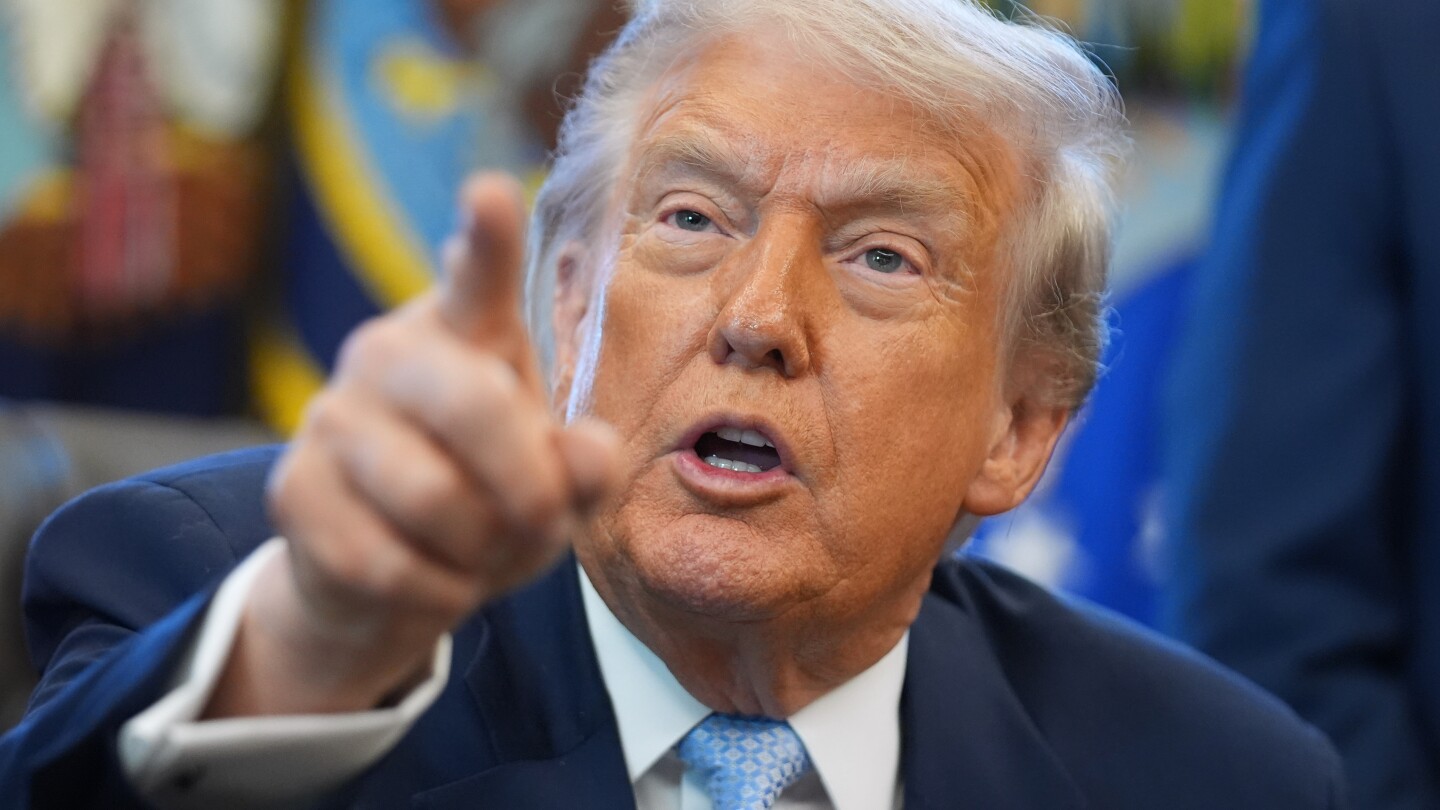
President Trump announced plans to sell advanced F-35 fighter jets to Saudi Arabia on Monday, describing the kingdom as “a great ally” of the United States. The declaration comes just before Saudi Crown Prince Mohammed bin Salman’s first visit to Washington in over seven years.
“I will say that that we will be doing that,” Trump confirmed when questioned about the potential sale. “We’ll be selling F-35s.”
The Saudi crown prince reportedly arrives with specific objectives, including securing formal assurances regarding the extent of U.S. military protection for the kingdom and finalizing the acquisition of the F-35s, which rank among the world’s most sophisticated military aircraft.
This proposed arms deal presents significant geopolitical complications. The Trump administration has traditionally been cautious about disrupting Israel’s “qualitative military advantage” in the region, particularly as the president relies on Israeli cooperation for his Gaza peace initiatives. Additionally, security experts have long expressed concerns about the potential transfer of F-35 technology to China, which maintains substantial ties with both Saudi Arabia and the United Arab Emirates.
The timing of Trump’s announcement aligns with his broader Middle East strategy, as he intensifies efforts to broker normalization between Saudi Arabia and Israel. The president has prioritized expanding the Abraham Accords, his first-term diplomatic achievement that established formal relations between Israel and several Arab nations, including the UAE, Bahrain, and Morocco.
“I hope that Saudi Arabia will be going into the Abraham Accords very shortly,” Trump told reporters aboard Air Force One last Friday while traveling to Florida.
However, despite the president’s public optimism, internal assessments within the administration suggest a more challenging path forward. Saudi Arabia has consistently maintained that a guaranteed pathway to Palestinian statehood remains a non-negotiable condition for joining the accords—a position that directly conflicts with Israel’s stance. According to three administration officials who spoke on condition of anonymity, while an immediate breakthrough appears unlikely, there remains cautious optimism that an agreement could materialize by the end of Trump’s second term.
The F-35 sale proposal echoes a similar situation from November 2020, when the Trump administration formally notified Congress of plans to sell 50 F-35 fighter jets to the United Arab Emirates as part of a $23 billion arms package. That announcement came shortly after the UAE signed onto the Abraham Accords and following Trump’s election defeat to Joe Biden. The Biden administration subsequently placed the sale on hold after taking office in January 2021.
Defense industry analysts note that this potential Saudi deal would represent one of the largest foreign military sales in recent years, potentially worth billions of dollars to U.S. defense contractor Lockheed Martin, the primary manufacturer of the F-35. The sale would also significantly enhance Saudi Arabia’s air defense capabilities amid ongoing regional tensions with Iran.
The proposed F-35 deal comes at a critical juncture for U.S.-Saudi relations, which have experienced fluctuations in recent years. While the kingdom remains a pivotal strategic partner in the Middle East, concerns about human rights, including the 2018 killing of journalist Jamal Khashoggi, have complicated diplomatic ties.
Congressional approval would be required for any major arms sale, potentially setting up a contentious debate over balancing regional security priorities with human rights considerations and technological security concerns.
Fact Checker
Verify the accuracy of this article using The Disinformation Commission analysis and real-time sources.

11 Comments
The timing of this announcement, just ahead of the crown prince’s visit, suggests the administration is eager to finalize the F-35 sale. However, the potential technology transfer risks cannot be overlooked.
While Saudi Arabia is a strategic ally, the optics of this deal are challenging given the kingdom’s human rights record. Careful diplomacy will be needed to navigate these sensitive issues.
You raise a fair point. The administration will need to balance security interests with human rights considerations in this case.
Given the complex dynamics in the Middle East, this proposed arms deal is sure to face scrutiny from Congress and America’s allies. Careful diplomacy will be crucial to navigate these sensitivities.
Agreed. Transparency and close coordination with key stakeholders will be essential to build support for this decision.
Selling advanced military hardware like the F-35 to Saudi Arabia is a double-edged sword. It strengthens the U.S.-Saudi alliance, but also raises concerns about destabilizing the regional balance of power.
The timing of this announcement suggests the administration is eager to solidify the U.S.-Saudi relationship. However, the potential risks to regional stability and technology security cannot be ignored.
The proposed sale of F-35s to Saudi Arabia raises significant geopolitical concerns. Maintaining Israel’s military edge in the region and preventing technology leakage to China are critical factors to consider.
This is a complex issue with national security implications. I’m curious to hear more details on how the administration plans to address these concerns.
From a purely commercial standpoint, this deal represents a significant revenue opportunity for the U.S. defense industry. But the broader geopolitical ramifications require a more nuanced assessment.
Absolutely, the economic benefits must be weighed against the strategic considerations at play. This is not a straightforward decision.