


Listen to the article
Battleground States Shoulder Heavy Tariff Burden as Economic Concerns Shape Midterm Races
Some of America’s most politically contested states are bearing the heaviest tariff costs in the nation, according to a recent analysis of U.S. Census trade data. This economic reality adds a new dimension to midterm elections where affordability issues already dominate voter concerns.
With rising costs of groceries, housing, and everyday goods ranking among voters’ top priorities, the impact of tariffs on regional economies could play a significant role in determining which party controls Congress after November. Both Republican and Democratic candidates have placed economic relief at the center of their campaign messaging.
The stakes couldn’t be higher for both parties. All 435 House seats and 33 Senate seats are up for grabs, with Republicans defending razor-thin majorities. Democrats need to flip just four seats to reclaim the Senate, while Republicans can afford to lose only two seats in the House before losing their majority.
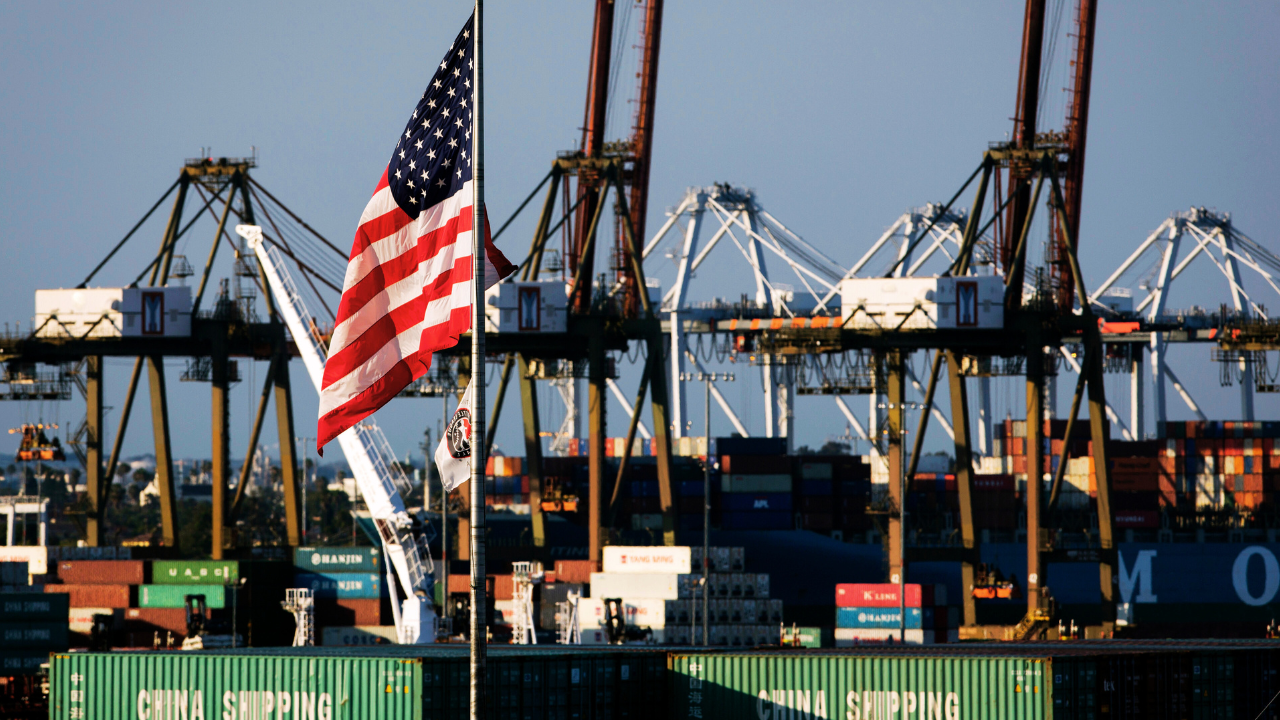
California and Texas, the nation’s economic powerhouses, lead in tariff payments at $38 billion and $21 billion respectively. This concentration reflects their positions as major import hubs with extensive port infrastructure and complex industrial supply chains.
Particularly notable are battleground states with competitive Senate races like Georgia and Michigan, both shouldering substantial tariff burdens that highlight their deep integration in international trade networks. Other states experiencing significant tariff impacts include Illinois ($9.6 billion), Ohio ($6.5 billion), Pennsylvania ($6.3 billion), North Carolina ($5 billion), South Carolina ($5.2 billion) and Kentucky ($4 billion).
Economists generally agree that while American importers initially pay these import taxes at the border, the costs typically flow through supply chains and eventually reach consumers through higher prices. This economic reality creates a direct link between federal trade policy and the kitchen-table issues dominating campaign rhetoric.
Nationwide, tariff collections have skyrocketed 300% since President Donald Trump returned to office, providing a substantial boost to federal coffers. January collections alone reached $30.4 billion, representing a 275% increase from the previous year. If this pace continues, fiscal-year revenue from tariffs could exceed $124 billion – more than triple last year’s total.
The Trump administration has positioned this revenue surge as a cornerstone of its economic strategy. The president has repeatedly highlighted how tariff income could help address the nation’s $38 trillion debt, fund domestic priorities, and potentially finance a proposed $2,000 dividend payment to American citizens.
“The tariff windfall is so beautiful to see,” Trump remarked recently, framing the policy as both a revenue generator and a tool to revitalize domestic manufacturing. His administration has consistently portrayed tariffs as a mechanism to extract better trade terms from foreign partners while protecting American industries.
However, this approach faces a critical legal challenge at the Supreme Court, which has yet to rule on whether these expanded tariffs fall within the president’s constitutional authority. A ruling against the administration could significantly disrupt federal revenue projections and force a recalibration of the White House’s trade strategy.
The court’s pending decision adds another layer of uncertainty to an already volatile political landscape. With billions in revenue at stake and control of Congress hanging in the balance, the implications extend far beyond Washington policy debates to impact household budgets in key electoral battlegrounds.
As candidates crisscross these tariff-heavy states making economic promises, the interconnection between trade policy, federal revenue, and consumer costs creates a complex backdrop for voters weighing their choices in November. The convergence of high tariff burdens with competitive races in states like Georgia, Michigan, Pennsylvania, and North Carolina ensures that trade policy—though often discussed in abstract terms—will have concrete electoral consequences.
The outcome of both the midterm elections and the Supreme Court case will likely shape American trade policy for years to come, with direct implications for consumers and businesses across the economic spectrum.
Fact Checker
Verify the accuracy of this article using The Disinformation Commission analysis and real-time sources.

10 Comments
Tariffs are a blunt economic instrument, and this analysis suggests the costs are concentrated in key political battlegrounds. It will be interesting to see how candidates from both parties address this issue and its implications for regional economic health and voter sentiment.
Good point. The regional distribution of tariff burdens could become a major campaign issue, with candidates seeking to align their trade policy positions with the economic realities faced by voters in pivotal states.
Interesting to see how tariffs are impacting battleground states. It’s a complex economic issue that could sway some voters in the midterms. I’m curious to learn more about how the costs and benefits are distributed across different regions and industries.
Good point. The regional disparities in tariff costs will be an important factor as voters weigh economic concerns. It will be interesting to see how candidates from both parties address this issue on the campaign trail.
This highlights the delicate balance between trade policy and its real-world impacts on local economies. While tariff revenue may benefit the federal government, the concentrated economic burden on certain states is a significant political risk.
Absolutely. The midterms could serve as a referendum on the administration’s trade policies if voters in key battleground states feel the pinch of higher costs and lost jobs due to tariffs.
Tariffs are a double-edged sword – they can generate revenue but also impose costs on domestic industries and consumers. This analysis suggests the economic burden is falling disproportionately on some politically pivotal states. It will be fascinating to see how this plays out in the midterms.
Good point. The regional disparities in tariff impacts could sway voter sentiment in important swing states. Candidates will need to carefully navigate this issue to appeal to economically-stressed constituents.
This is a complex issue with valid arguments on both sides. While the federal government may tout tariff revenue, the local economic toll in battleground states could be a decisive factor in the midterm elections. Voters will likely weigh the tradeoffs carefully.
Absolutely. The political calculus around tariffs is delicate, with the national economic picture potentially clashing with localized impacts. Candidates will have to strike the right balance to resonate with voters concerned about affordability and jobs.