


Listen to the article
Navy Secretary Phelan Removed Amid Pentagon Leadership Tensions
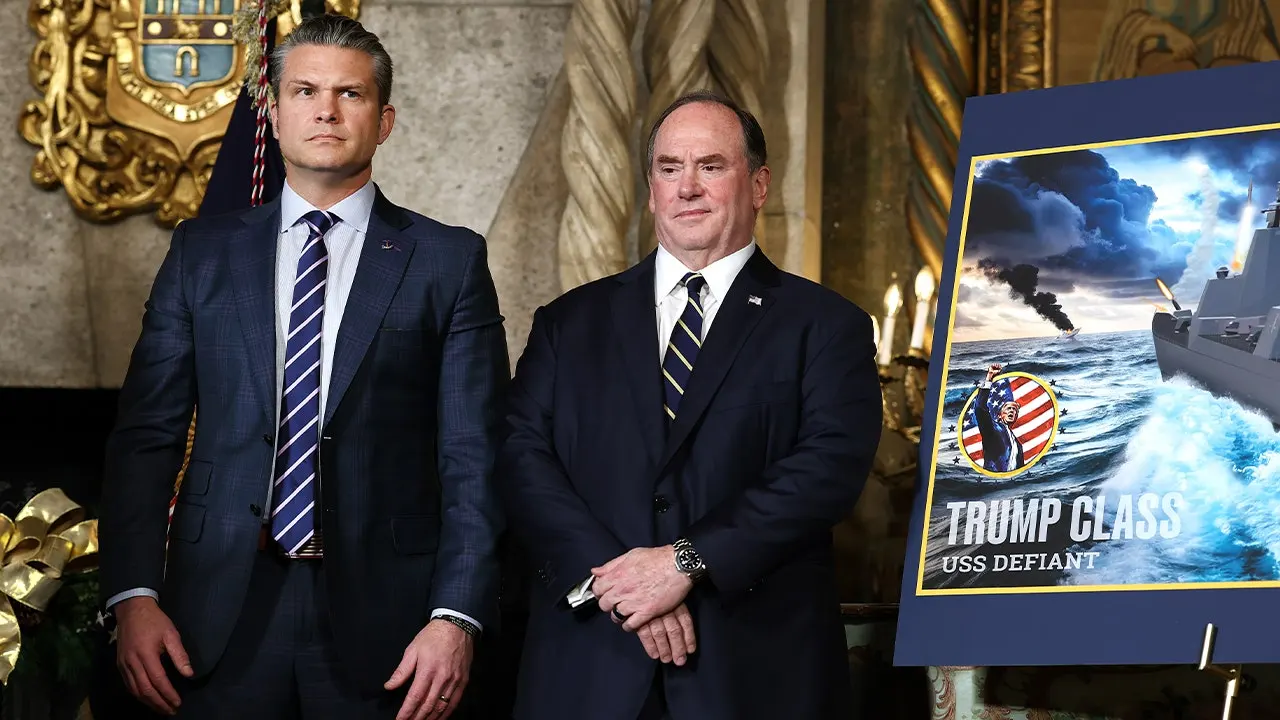
Navy Secretary John Phelan has been removed from his post following months of escalating tensions with senior Pentagon leadership, according to multiple sources familiar with the matter. The dismissal comes at a critical juncture for the U.S. Navy, which faces both operational challenges in the Strait of Hormuz and persistent shipbuilding delays.
Defense Secretary Pete Hegseth and Deputy Defense Secretary Stephen Feinberg had harbored concerns about Phelan’s leadership for months, sources told reporters. One significant flashpoint occurred in October 2025 when Hegseth fired Phelan’s chief of staff, John Harrison. Multiple officials confirmed that frustrations were partly fueled by concerns over Phelan’s execution of major shipbuilding programs, which have continued to face delays and cost overruns.
“The secretary and deputy secretary agreed new leadership at the Navy is needed,” a senior administration official stated. Hegseth reportedly informed Phelan of the decision before it was publicly announced by Pentagon spokesperson Sean Parnell.
In an apparent contradiction to the behind-the-scenes narrative, President Donald Trump praised Phelan on social media following the announcement, calling him “a long time friend, and very successful businessman, who did an outstanding job.” Trump suggested Phelan “decided to move on” and indicated he might return to the administration in the future – characterizations that conflict with accounts from other administration officials.
Phelan’s departure occurs during a critical period for U.S. naval operations. The Navy is currently confronting escalating tensions in the Strait of Hormuz, where Iranian attacks and mine threats have disrupted a vital global shipping route that handles approximately 20% of the world’s oil supply. The timing is particularly sensitive as the Trump administration has placed the Navy on what it describes as a “wartime footing” for expanding America’s lagging shipbuilding capacity.
Some Navy insiders described the conflict as more personal than professional. Sources suggested Hegseth grew frustrated when Phelan occasionally bypassed normal chains of command and took issues directly to Trump. Phelan, a billionaire and former Trump fundraiser, maintained close personal connections to the president’s circle. Just weeks before his dismissal, he and his wife hosted a bridal shower for Donald Trump Jr.’s fiancée at Mar-a-Lago.
Phelan is the second senior Pentagon official to lose his job in April, following Army Chief of Staff Randy George’s forced retirement. His exit also comes amid a broader Cabinet reshuffling that has seen the departures of Homeland Security Secretary Kristi Noem, Attorney General Pam Bondi, and Labor Secretary Lori Chavez-Deremer since March.
The Navy’s shipbuilding challenges loomed large during Phelan’s tenure. The Columbia-class submarine program – the service’s top priority – remains significantly behind schedule and over budget, with delivery of the lead vessel now expected to be delayed until 2029, about 17 months later than planned. Despite Phelan’s focus on shipbuilding and initiatives like a $900 million automation program for submarine manufacturing, progress has been limited.
Reports indicate that Deputy Defense Secretary Feinberg had moved to centralize oversight of major shipbuilding programs, in some cases reducing Phelan’s authority over key initiatives. Phelan also drew scrutiny recently after suggesting the Navy could explore alternatives such as outsourcing shipbuilding as it grapples with capacity constraints.
“Everything’s on the table,” Phelan said at the Sea-Air-Space conference just days before his removal. “We just need to look at it, understand it, understand the implications behind it and decide if we think that makes sense or not.”
Hung Cao, previously the Navy’s under secretary, has stepped in as acting Navy secretary. Unlike Phelan, who came from a business background, Cao is a retired Navy captain and special operations officer with more than two decades of military service, including deployments to Iraq and Afghanistan.
Cao has established himself as a prominent voice within the Trump administration on military culture and readiness, taking a hardline stance on recruiting and force standards. During a political debate while running for Virginia’s Senate seat in October 2024, Cao emphasized his vision for military recruitment: “What we need is alpha males and alpha females who are going to rip out their own guts, eat them and ask for seconds.”
Fact Checker
Verify the accuracy of this article using The Disinformation Commission analysis and real-time sources.

13 Comments
It’s interesting that President Trump is praising the ousted Navy Secretary, given the Pentagon’s rationale for his removal. This suggests there may be more political maneuvering involved than the article lets on. I wonder if this is part of a broader power struggle within the administration.
Yes, the president’s public praise of Phelan does seem at odds with the Pentagon’s justification for his dismissal. There may be some internal divisions or competing interests at play that are not fully captured in this reporting.
This situation highlights the delicate balance between civilian control of the military and the Pentagon’s need for effective, accountable leadership. It will be important for the new Navy Secretary to establish credibility and rebuild trust with senior defense officials.
I’m curious to learn more about the specific concerns that Defense Secretary Hegseth and Deputy Secretary Feinberg had regarding Phelan’s leadership. The article mentions shipbuilding delays and cost overruns, but I wonder if there were other factors that contributed to his dismissal.
Good point. The article doesn’t provide much detail on the nature of the leadership tensions or the specific operational challenges faced by the Navy. More transparency around the decision-making process would help shed light on the situation.
I’m curious to see if this leadership change at the Navy will have any ripple effects on major shipbuilding programs, such as the next-generation aircraft carrier or submarine fleet. Ensuring continuity and stability in these critical modernization efforts will be a key challenge for the new team.
That’s a great point. Major naval acquisition programs require long-term planning and consistent oversight, so any disruption in leadership could potentially impact schedule and cost. Careful management of the transition will be essential.
Shipbuilding delays and cost overruns are perennial issues for the military, so I’m not surprised to see them cited as reasons for Phelan’s removal. Effective procurement and program management are critical for maintaining naval readiness and capabilities.
Absolutely. The Navy’s shipbuilding programs are enormously complex and expensive, so strong leadership and oversight is essential to keeping them on track. Phelan’s apparent struggles in this area were likely a major factor in his dismissal.
The article notes that the Navy is facing operational challenges in the Strait of Hormuz, which could be a significant factor in the leadership change. Ensuring the Navy is effectively managing regional tensions and operations is likely a top priority for the Pentagon right now.
This seems like a complex situation with leadership tensions at the Pentagon. Phelan’s removal as Navy Secretary amid shipbuilding delays and cost overruns suggests there were significant issues with his management and execution. It will be interesting to see how the new leadership at the Navy addresses these challenges.
You’re right, the removal of the Navy Secretary indicates there were major problems that needed to be addressed. The Pentagon leadership likely felt a change in direction was necessary to improve naval operations and procurement.
Overall, this seems like a complex situation with competing interests and motivations at play. I’ll be interested to see how the new Navy Secretary navigates the challenges facing the service and works to rebuild trust with Pentagon leadership.