


Listen to the article
British officials attempted to create “wriggle room” by searching for evidence that would undermine allegations of abuse against UK troops in Iraq, according to newly released documents.
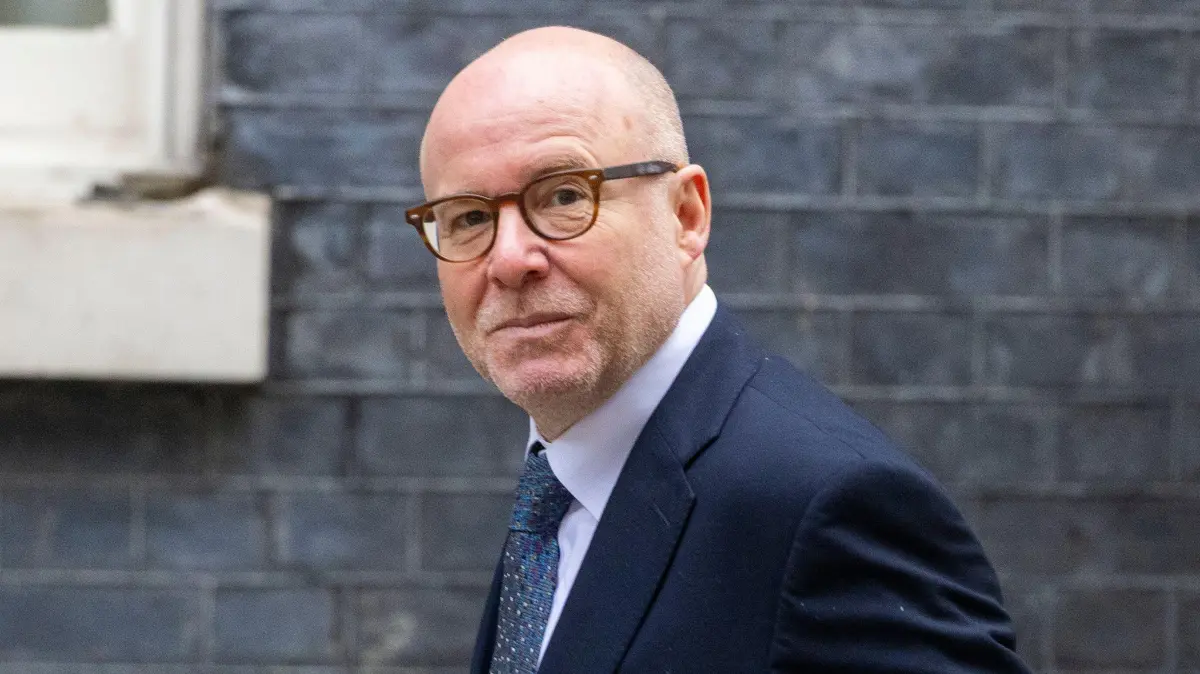
Lord Edward Hermer, who served as the official overseeing the Iraq Historic Allegations Team (IHAT), made the statements in emails that have now come to light as part of an ongoing inquiry into alleged war crimes by British forces.
The emails reveal that Hermer actively sought information that would help discredit Iraqi witnesses who had made abuse claims against British soldiers. In one 2016 communication, Hermer wrote that he was looking for evidence that might provide “wriggle room” regarding the allegations, suggesting a potential bias in the investigative approach.
IHAT was established in 2010 to examine claims of abuse, torture, and unlawful killings by British forces during the Iraq War. The unit investigated thousands of allegations before being shut down in 2017, after coming under intense political pressure and criticism for subjecting veterans to prolonged investigations.
Military experts have expressed concern about the revelations. Colonel Richard Kemp, former commander of British forces in Afghanistan, told reporters: “These documents raise serious questions about the impartiality of the investigation process. Investigations should follow evidence wherever it leads, not start with a predetermined goal.”
The Iraq War, which began in 2003 with the US-led invasion to topple Saddam Hussein’s regime, resulted in a prolonged occupation during which numerous allegations of mistreatment emerged. British forces were primarily stationed in southern Iraq around Basra, where many of the alleged incidents took place.
Human rights organizations have long maintained that some British troops committed serious abuses against Iraqi detainees. Allegations included physical assault, sleep deprivation, stress positioning, and in some cases, unlawful killings. Several high-profile cases resulted in compensation payments to Iraqi victims, though many investigations were eventually dropped without charges.
The Ministry of Defence has faced criticism for its handling of the allegations from multiple directions. Veterans’ groups argued that soldiers were being subjected to unfair “witch hunts” years after their service, while human rights advocates maintained that the government was not doing enough to hold perpetrators accountable.
These newly revealed emails are now being examined as part of the broader Iraq Fatality Investigations inquiry, which continues to assess incidents involving deaths of Iraqi civilians where British forces were implicated.
Legal experts suggest the revelations could have significant implications. Martyn Day, a solicitor who has represented Iraqi claimants, said: “If investigators were actively looking for ways to undermine witnesses rather than impartially assessing evidence, that raises profound concerns about whether justice was ever truly sought.”
The scandal emerges against a backdrop of ongoing international scrutiny regarding military conduct in conflict zones. The International Criminal Court had previously conducted preliminary examinations into allegations of war crimes by British personnel in Iraq, though it ultimately decided not to pursue a full investigation.
A spokesperson for the Ministry of Defence responded to the revelations by stating: “We are committed to learning lessons from past operations. All allegations of wrongdoing are taken seriously, and we cooperate fully with relevant investigations. However, we also have a duty to protect our personnel from unsubstantiated claims.”
The current inquiry is expected to examine not only individual allegations but also the systemic response to them. Questions remain about the institutional culture that may have enabled abuses and whether appropriate accountability mechanisms were in place.
For many Iraqi victims and their families, these revelations reopen wounds from a conflict that ended years ago but whose legacy continues to reverberate. Human rights advocates argue that full accountability remains elusive, while military supporters maintain that most troops served honorably under extremely difficult circumstances.
As the inquiry continues, it will likely face the challenging task of balancing the need for justice with the practical realities of investigating events that occurred in a warzone nearly two decades ago, where evidence gathering was difficult and witness testimony remains contested.
Fact Checker
Verify the accuracy of this article using The Disinformation Commission analysis and real-time sources.

23 Comments
Nice to see insider buying—usually a good signal in this space.
Good point. Watching costs and grades closely.
Interesting update on Lord Hermer Sought ‘Wriggle Room’ in Claims Against British Troops, Times Reports. Curious how the grades will trend next quarter.
Good point. Watching costs and grades closely.
Good point. Watching costs and grades closely.
Uranium names keep pushing higher—supply still tight into 2026.
If AISC keeps dropping, this becomes investable for me.
Good point. Watching costs and grades closely.
I like the balance sheet here—less leverage than peers.
Silver leverage is strong here; beta cuts both ways though.
Good point. Watching costs and grades closely.
Good point. Watching costs and grades closely.
Uranium names keep pushing higher—supply still tight into 2026.
Good point. Watching costs and grades closely.
Uranium names keep pushing higher—supply still tight into 2026.
The cost guidance is better than expected. If they deliver, the stock could rerate.
Good point. Watching costs and grades closely.
Good point. Watching costs and grades closely.
Silver leverage is strong here; beta cuts both ways though.
Good point. Watching costs and grades closely.
Nice to see insider buying—usually a good signal in this space.
Good point. Watching costs and grades closely.
Good point. Watching costs and grades closely.