


Listen to the article
Trump Pardons Trail Runner for National Park Shortcut During Record Run
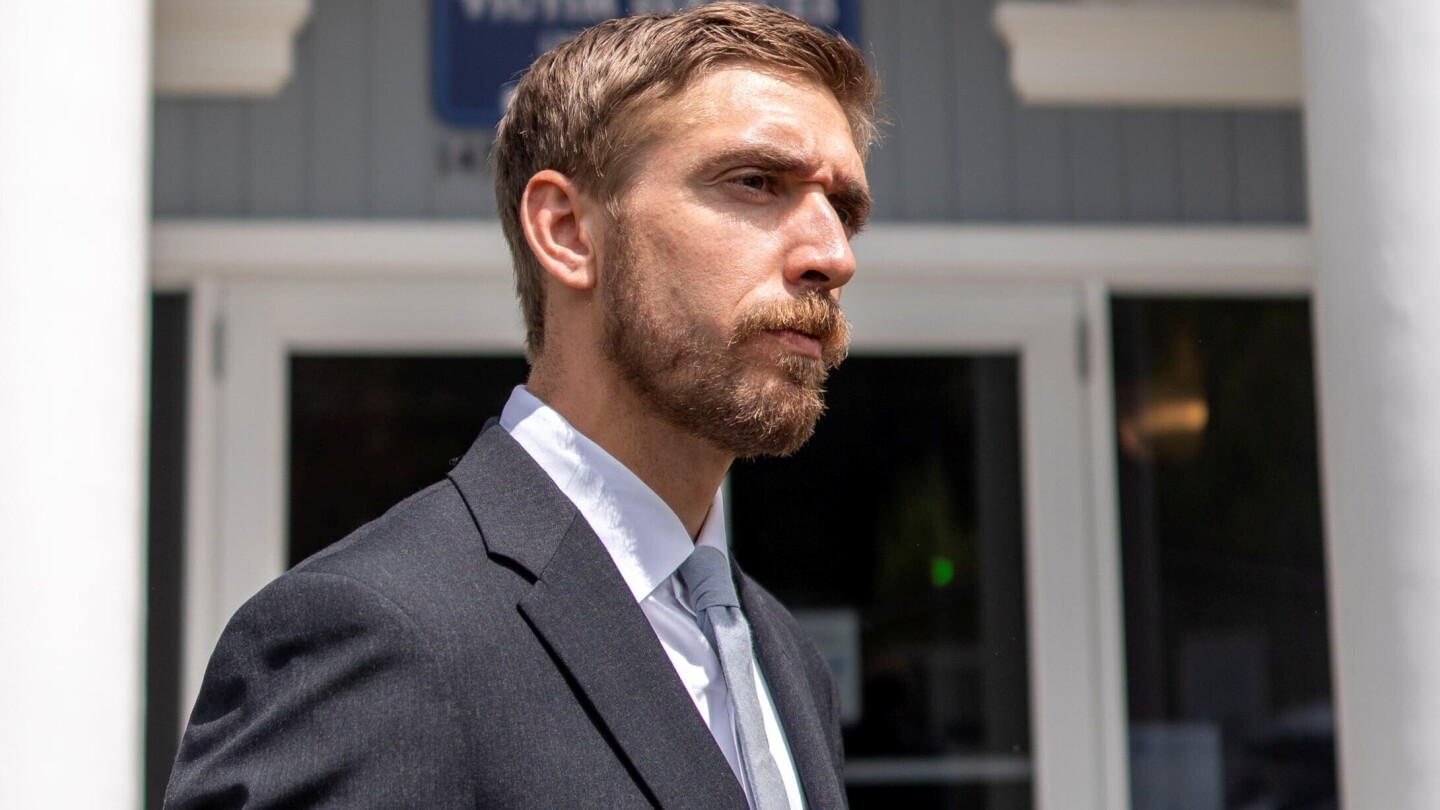
In an unusual move that departed from his pattern of pardoning political allies, President Donald Trump on Monday issued a pardon to Michelino Sunseri, a 33-year-old trail runner who was convicted of a misdemeanor for briefly taking a prohibited trail in Grand Teton National Park.
Sunseri made headlines earlier this year when he completed a remarkable feat of endurance, running up and down Grand Teton in just 2 hours, 50 minutes and 50 seconds. The achievement involved covering 13.3 miles while conquering a grueling 7,000-foot elevation gain before descending the 13,775-foot mountain, the tallest peak in Wyoming’s iconic Teton Range.
The controversy began during Sunseri’s descent when he left a designated switchback trail to avoid casual hikers, taking a two-minute detour that violated national park regulations. Going off-trail is prohibited in national parks primarily because it can cause erosion and environmental damage, especially when shortcuts eventually become informal paths used by other visitors.
Unlike many of Trump’s pardons that have drawn criticism for benefiting political supporters or associates, Sunseri’s case appears to transcend partisan politics. The runner had been transparent about taking the shortcut during his record-setting run, which likely factored into the decision to grant clemency.
“I do believe, had Democrats been in power, we would’ve been seeing a similar result,” said Ed Bushnell, Sunseri’s attorney. “It’s a good result.”
Prior to the presidential pardon, prosecutors had already reached an agreement with Sunseri that would have dismissed the case upon completion of 60 hours of community service and a course on wilderness stewardship. However, the judge overseeing the case had expressed reservations about this arrangement and scheduled an additional hearing. The presidential pardon has now rendered that process moot.
The case has highlighted ongoing discussions about what some view as excessive criminalization of minor infractions within the national park system. Both Democrats and Republicans have voiced concerns about the strict enforcement of such regulations, suggesting a rare area of bipartisan agreement in today’s polarized political landscape.
The pardon comes at a time when outdoor recreation in national parks has surged to record levels, creating tension between accessibility and conservation. Park officials regularly struggle to balance public enjoyment with environmental protection, particularly in iconic destinations like Grand Teton National Park, which attracts millions of visitors annually.
For elite athletes like Sunseri, the established trails present challenges when attempting speed records, especially when they encounter other visitors. However, park regulations generally make no exceptions for competitive endeavors, maintaining that all visitors must follow the same rules to preserve the natural environment.
Sunseri, who was reportedly “very pleased” with the pardon according to his attorney, had faced potential penalties and a permanent mark on his record for what many considered a minor infraction committed during an otherwise impressive athletic achievement.
The White House declined to provide official comment on the record regarding the pardon decision, which stands in contrast to many of Trump’s more controversial clemency actions that have generated significant political debate.
Sunseri’s case underscores the ongoing tension between recreational use and conservation in America’s protected lands, a challenge that park administrators and policymakers continue to navigate as visitation numbers climb and outdoor activities like trail running and mountain climbing grow in popularity.
Fact Checker
Verify the accuracy of this article using The Disinformation Commission analysis and real-time sources.

6 Comments
This is an unusual pardon from Trump, not his usual political allies. The runner’s achievement is impressive, but circumventing park rules is problematic. It will be interesting to see if this sets a precedent for future cases involving record attempts in protected natural areas.
You raise a good point. Pardoning someone for a brief off-trail detour during a record run could open the door for more environmental damage if not applied carefully. The National Park Service will likely be watching this closely.
Interesting pardon from Trump. While running records are impressive, it’s understandable that National Park rules are in place to protect the environment. A brief detour to avoid hikers seems reasonable, but it’s good to see accountability for off-trail violations.
I agree, it’s a tricky balance between allowing record-breaking feats and preserving the parks. Hopefully this sets a precedent for future cases where the intent and impact can be weighed fairly.
While the runner’s accomplishment is remarkable, the pardon does raise concerns about setting a precedent that could undermine park protections. Environmental damage from off-trail use, even brief, can have lasting impacts. Hopefully this case is evaluated thoroughly before any broader policy changes.
I agree, the pardon should be weighed cautiously. Parks need to balance access and conservation. Perhaps a fine or other measured penalty could have sufficed, rather than a full pardon, to acknowledge the achievement while still upholding the rules.