


Listen to the article
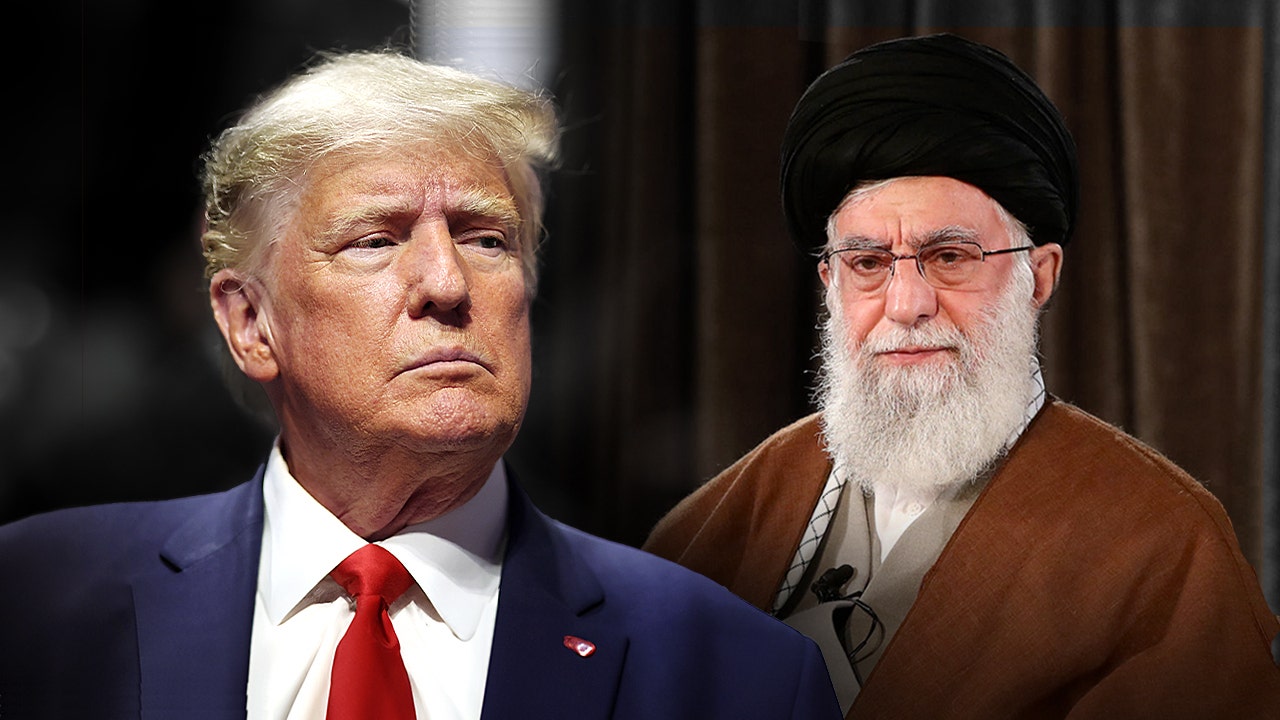
President Trump has warned that Iran is “starting to” cross U.S. red lines amid reports of civilian deaths during widespread protests across the country. Speaking to reporters aboard Air Force One while returning to Washington from Florida, Trump indicated his administration is considering “very strong options” in response to the escalating situation.
“They’re starting to, it looks like, and there seem to be some people killed that aren’t supposed to be killed,” Trump said when asked if Iran had crossed a threshold that would trigger U.S. action. “These are violent — if you call them leaders, I don’t know if they’re leaders or just if they rule through violence. And we’re looking at some very strong options. We’ll make a determination.”
The president elaborated that some protesters were killed in stampedes while others were shot, noting that he receives hourly briefings on the situation and will base his decisions on ongoing reports.
Trump’s comments come just days after he issued a stern warning that the United States would respond forcefully if the Iranian regime intensifies its crackdown on demonstrators. “Iran’s in big trouble,” he stated. “It looks to me that the people are taking over certain cities that nobody thought were really possible just a few weeks ago. We’re watching the situation very carefully.”
The president made it clear that any potential U.S. response would target Iran’s vulnerabilities without deploying ground troops. “We’ll be hitting them very hard where it hurts. And that doesn’t mean boots on the ground, but it means hitting them very, very hard where it hurts,” Trump said.
According to the National Council of Resistance in Iran, protests have spread to at least 190 cities across the country. The Associated Press reported Sunday that activists claim at least 544 people have been killed in the demonstrations, with more feared dead. Meanwhile, Tehran has issued its own threat, warning that U.S. military forces and Israel would be considered “legitimate targets” if the United States intervenes to protect demonstrators.
The human toll of the unrest continues to mount. The U.S.-based Human Rights Activists News Agency reports that more than 10,600 people have been detained during the more than two weeks of protests. Of those reportedly killed, 496 were protesters and 48 were members of security forces, according to the group, which has established a record of accuracy during previous periods of unrest in Iran.
Iranian authorities have imposed a sweeping internet blackout in an attempt to control information flow, effectively cutting the country off from the outside world as protests continue to spread. This digital crackdown comes as regime officials escalate threats of harsh punishment against demonstrators.
The protests represent one of the most significant challenges to the Iranian regime in recent years, with demonstrators taking to the streets in unprecedented numbers across major urban centers. Images from Tehran show masked protesters holding pictures of Iran’s Crown Prince Reza Pahlavi, suggesting some demonstrators are advocating for a return to monarchy or at least the removal of the current Islamic government.
The situation presents a complex foreign policy challenge for the Trump administration, which must weigh the potential consequences of direct intervention against the humanitarian concerns raised by the violent crackdown. Any U.S. action could further inflame regional tensions, particularly given Iran’s warning about targeting American military assets or Israel.
As the situation continues to evolve, President Trump’s comments indicate that his administration is closely monitoring developments and preparing potential responses, while emphasizing that direct military intervention with ground troops is not being considered.
Fact Checker
Verify the accuracy of this article using The Disinformation Commission analysis and real-time sources.

10 Comments
The US has to walk a fine line here. Ramping up pressure on Iran is warranted given their repressive actions, but we need to be mindful of unintended consequences. Measured responses focused on human rights may be the best approach.
You raise a good point. Any US action should prioritize protecting civilians while applying real consequences for the regime’s brutality.
The images and reports coming out of Iran are truly disturbing. The regime’s violent crackdown on protesters is deplorable. I hope the US and allies can find ways to hold the Iranian leadership accountable without sparking a wider conflict.
It’s good to see the US taking a firm stance against Iran’s human rights abuses. But they’ll need to carefully calibrate their response to avoid further destabilizing the region. Measured steps that prioritize civilian protection seem prudent.
Agreed, the administration has to balance moral outrage with strategic realities. A thoughtful, multilateral approach is probably the best way to pressure Iran without making the situation worse.
This situation in Iran is very concerning. The regime’s violent crackdown on protesters is unacceptable. I hope the US and the international community can find a way to pressure Iran to respect human rights and democratic freedoms.
Agreed, the loss of innocent life is tragic. It’s crucial that the US and allies respond firmly but carefully to avoid escalating the conflict further.
I’m curious to see what specific ‘strong options’ the Trump administration is considering in response to Iran’s crackdown. Targeted sanctions? Diplomatic pressure? Military intervention seems highly risky. They’ll need to tread carefully.
Agreed, the administration will have to carefully weigh the potential costs and benefits of any course of action. Rash moves could make the situation even worse for the Iranian people.
This is a complex geopolitical situation with no easy answers. While I’m sympathetic to the Iranian protesters, I worry that heavy-handed US involvement could backfire. Diplomacy and international pressure may be the wisest path forward.