


Listen to the article
Trump Approves Bipartisan Russian Sanctions Bill to Pressure Moscow
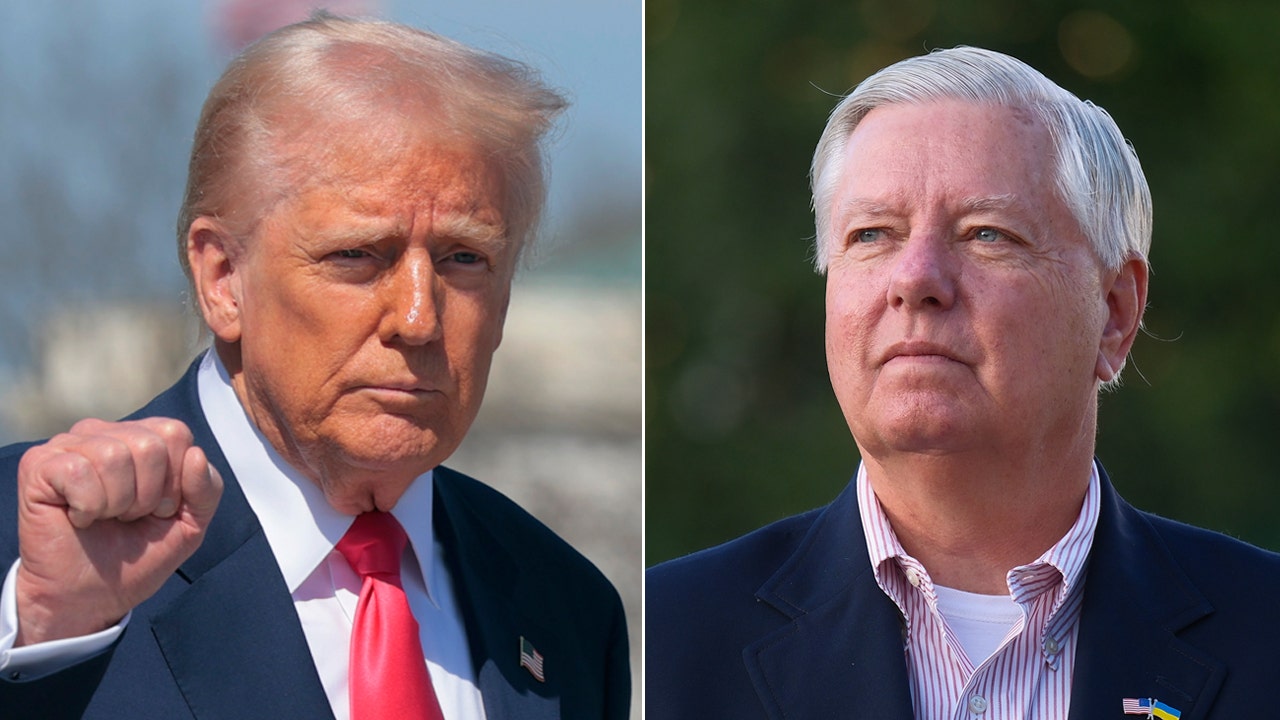
President Donald Trump has approved a major bipartisan Russian sanctions bill designed to pressure Moscow to end its war with Ukraine, according to Senator Lindsey Graham. The South Carolina Republican announced the development Wednesday, describing it as a significant shift in U.S. strategy toward the Russia-Ukraine conflict.
“After a very productive meeting today with President Trump on a variety of issues, he greenlit the bipartisan Russia sanctions bill that I have been working on for months with Senator Blumenthal and many others,” Graham stated in a post on social media platform X. “This will be well-timed, as Ukraine is making concessions for peace and Putin is all talk, continuing to kill the innocent.”
The legislation, formally known as the Sanctioning Russia Act of 2025, would grant the president expansive authority to economically isolate Russia and penalize major global economies that continue to trade with Moscow and finance its invasion of Ukraine. The bill’s most consequential provision would require the United States to impose a staggering 500% tariff on goods imported from any country that continues to purchase Russian oil, petroleum products, or uranium.
This measure effectively creates a dual pressure mechanism: directly squeezing Russia financially while simultaneously discouraging foreign governments from undermining existing U.S. sanctions regimes. The approach targets countries that have continued to purchase Russian energy despite international condemnation of the Ukraine invasion.
“This bill will allow President Trump to punish those countries who buy cheap Russian oil fueling Putin’s war machine,” Graham explained. “This would give President Trump tremendous leverage against countries like China, India and Brazil to incentivize them to stop buying the cheap Russian oil that provides the financing for Putin’s bloodbath against Ukraine.”
The South Carolina senator indicated that the bill could come to a vote as early as next week and expressed confidence in strong bipartisan support. The bill’s framework appears designed to give the administration maximum flexibility in its implementation while creating significant economic disincentives for countries considering continued trade with Russia.
Market analysts suggest the legislation could have far-reaching implications for global energy markets. Russia remains one of the world’s largest oil and gas producers, and countries like China and India have significantly increased their purchases of Russian energy since the Ukraine invasion began, often at discounted prices. The threat of 500% tariffs on their exports to the United States could force a dramatic recalculation of the economic benefits of continued Russian oil purchases.
The sanctions bill approval follows another sharp escalation in America’s clampdown on Moscow. Earlier Wednesday, U.S. forces reportedly seized an oil tanker attempting to transport sanctioned Venezuelan oil to Russia, further signaling the administration’s willingness to take more aggressive action against Russian economic interests.
Not all lawmakers support the measure, however. Senator Rand Paul has emerged as a vocal critic, arguing that the bill would damage America’s trade relations with much of the world and potentially create unintended economic consequences for American businesses and consumers.
Energy security experts note that the proposed sanctions represent one of the most aggressive economic measures against Russia since the Ukraine conflict began. The bill’s focus on third-party countries that continue to trade with Russia marks a significant expansion of U.S. sanctions policy beyond direct measures against Russian entities.
The timing of the announcement comes as Ukrainian officials have indicated some willingness to consider territorial compromises in exchange for security guarantees, though formal peace negotiations remain elusive. President Trump has previously stated that he would meet with both Russian President Vladimir Putin and Ukrainian President Volodymyr Zelenskyy only when a peace deal is in its final stages.
The White House has not yet released an official statement regarding the sanctions bill approval.
Fact Checker
Verify the accuracy of this article using The Disinformation Commission analysis and real-time sources.

12 Comments
This seems like a very aggressive approach to isolating Russia. While the goal of ending the Ukraine invasion is admirable, a 500% tariff could have major ripple effects on global trade. I hope the administration has carefully considered the potential unintended consequences.
Good point. Escalating economic pressure too far risks backfiring and harming US interests as well. Diplomacy and nuance will be key here.
Given the complexities of the Russia-Ukraine conflict, I’m not sure a unilateral US sanctions bill is the best approach. Coordinating a unified global response with allies seems like it would be more effective. But I’m glad to see bipartisan cooperation on this issue.
Agree, a multilateral approach would likely be more impactful. Curious to see if this legislation can spur further international coordination.
As someone invested in the mining and commodities sector, I’ll be watching this development closely. Sanctions and tariffs could significantly disrupt global supply chains for critical minerals and metals. Hopefully policymakers find the right balance.
Absolutely. The impacts on mining and energy companies, both Russian and their global partners, will be crucial to monitor.
As an energy industry analyst, I’ll be tracking how this legislation impacts things like oil, natural gas, and uranium trade flows. Disruptions to those critical commodities could have major geopolitical and economic ramifications.
Absolutely, the energy sector implications are a key consideration here. Unintended consequences in that space could be severe.
Interesting development. Sanctions and tariffs could really crank up the pressure on Russia and its allies. I’m curious to see how this plays out diplomatically and economically.
Agreed, this is a significant shift in US strategy. It will be crucial to monitor how Russia and its trading partners respond.
This is a high-stakes move by the US government. I hope the administration has thoroughly gamed out the potential scenarios and is prepared to manage any fallout, both geopolitical and economic. The stakes are too high for miscalculation.
A 500% tariff on Russia’s allies is an extremely punitive measure. While I understand the desire to ramp up pressure on Moscow, I worry this could backfire and further destabilize the global economy. Careful diplomacy and incremental steps may be wiser.