


Listen to the article
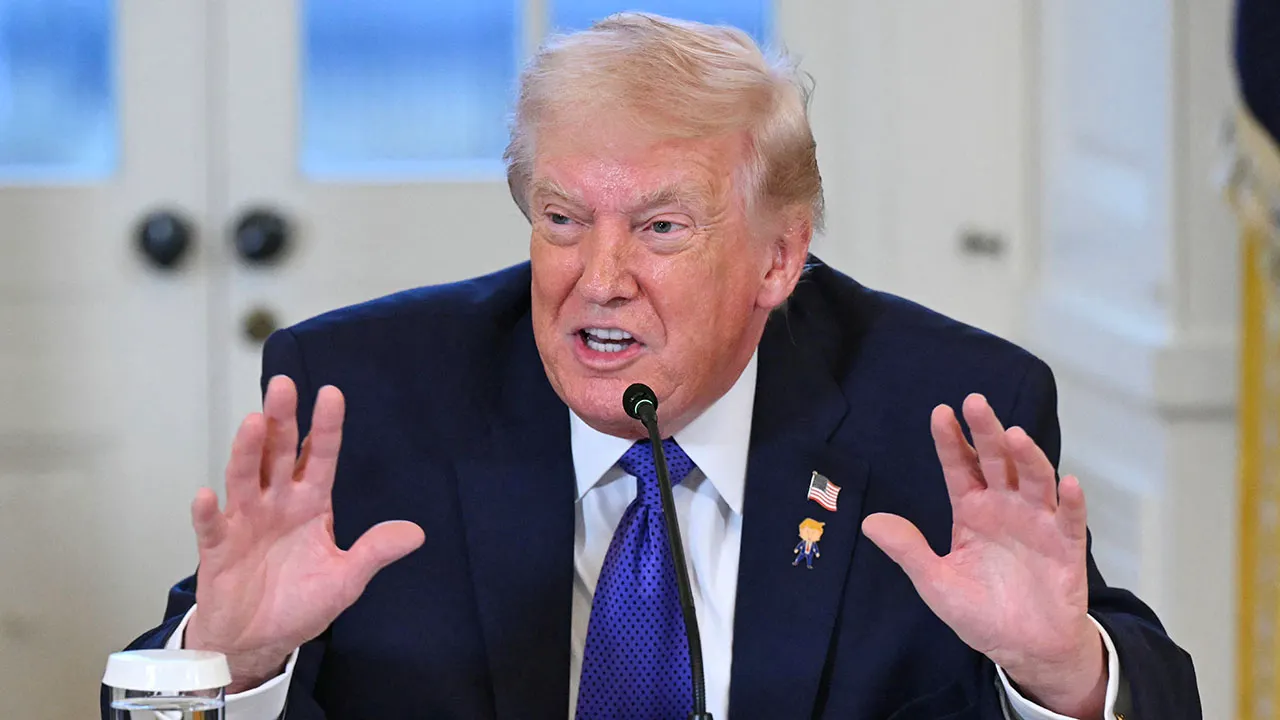
President Trump has called for an immediate end to New York City’s congestion pricing program, describing it as a “disaster” for the city in a recent statement on his social media platform Truth Social.
“Congestion Pricing in Manhattan is a DISASTER for New York,” Trump wrote. “It’s got to be ended, IMMEDIATELY! It’s never worked before, and it will never work now. I love New York, and hate to see it being destroyed so rapidly with such obviously foolish ‘policy.'”
The controversial program, which began in January 2025, uses electronic license plate readers to impose a $9 toll on most vehicles entering Manhattan below 60th Street during peak periods. The dual-purpose initiative was designed to reduce traffic congestion in the city’s busiest districts while generating revenue for improvements to public transportation infrastructure.
City officials have defended the program, citing data showing traffic reduction of 8% to 13% in targeted areas since implementation. The congestion pricing model follows similar systems already established in major global cities like London, Stockholm, and Singapore, where varying degrees of success have been reported.
Trump’s opposition to the program isn’t new. During his administration, he attempted to halt the initiative and threatened to withhold federal funding from New York City if officials proceeded with the plan. His recent comments signal his continued resistance to a program that has divided New Yorkers since its conception.
New York Governor Kathy Hochul has taken a decidedly different view. On the one-year anniversary of the program earlier this month, she celebrated what she described as its success.
“The opposition’s kind of calmed down, right?” Hochul remarked at a press conference. “Anybody noticed that it’s calmed down because people like getting across the bridges faster. They like coming to the city with more time on their hands. They’re happy not to sit in traffic.”
The debate over congestion pricing highlights broader tensions about urban planning, environmental policy, and economic impact. Supporters argue the program addresses critical issues of traffic congestion, pollution, and the need for sustainable transportation funding. They point to benefits including reduced travel times, improved air quality, and enhanced public transit options that will eventually result from the revenue generated.
Critics, including Trump, counter that the toll amounts to another tax burden on commuters and businesses already struggling with New York’s high cost of living. Some small business owners have expressed concerns about potential impacts on deliveries and customer traffic, while suburban commuters argue the fees disproportionately affect those with fewer public transit alternatives.
Transportation experts note that congestion pricing programs typically face initial resistance but gain acceptance as benefits materialize. However, the political dimensions of New York’s program have remained particularly contentious, with the former president’s intervention adding another layer to the debate.
The Metropolitan Transportation Authority (MTA) estimates the program will generate approximately $1 billion annually, funds earmarked for critical subway and bus system improvements. Transit advocates point to deteriorating infrastructure and service reliability issues as evidence of the urgent need for this dedicated funding stream.
As the program approaches its second year, the contrasting positions of Trump and Hochul reflect the continuing polarization over how best to address New York City’s transportation challenges amid competing concerns about economic recovery, environmental sustainability, and quality of life for residents and commuters alike.
Fox News Digital reached out to the office of New York City Mayor Zohran Mamdani but did not receive an immediate response.
Fact Checker
Verify the accuracy of this article using The Disinformation Commission analysis and real-time sources.

20 Comments
The cost guidance is better than expected. If they deliver, the stock could rerate.
Good point. Watching costs and grades closely.
Uranium names keep pushing higher—supply still tight into 2026.
I like the balance sheet here—less leverage than peers.
Good point. Watching costs and grades closely.
If AISC keeps dropping, this becomes investable for me.
Exploration results look promising, but permitting will be the key risk.
Exploration results look promising, but permitting will be the key risk.
Good point. Watching costs and grades closely.
I like the balance sheet here—less leverage than peers.
I like the balance sheet here—less leverage than peers.
Good point. Watching costs and grades closely.
I like the balance sheet here—less leverage than peers.
Good point. Watching costs and grades closely.
Good point. Watching costs and grades closely.
Nice to see insider buying—usually a good signal in this space.
Good point. Watching costs and grades closely.
Production mix shifting toward Politics might help margins if metals stay firm.
Good point. Watching costs and grades closely.
Good point. Watching costs and grades closely.