


Listen to the article
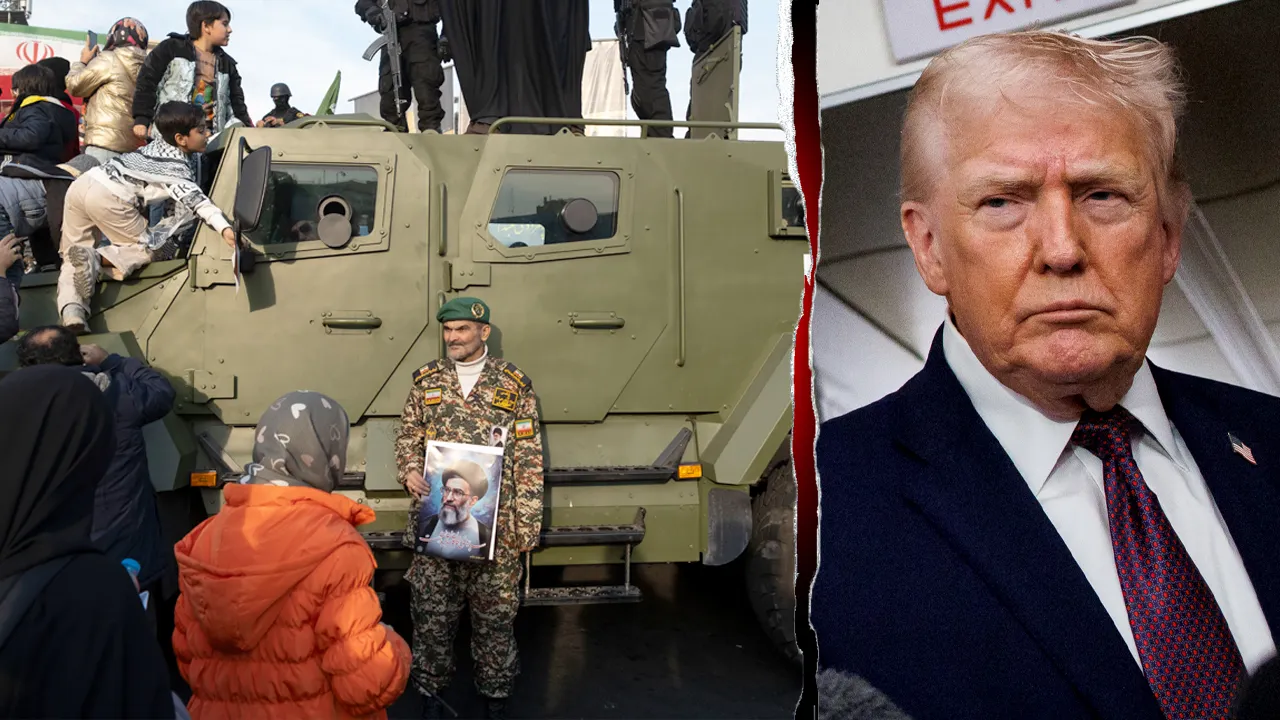
President Trump has announced an immediate and “final” trade order imposing a 25% tariff on all countries that continue doing business with Iran, amid escalating protests in the Islamic Republic that have reportedly claimed hundreds of lives.
In a statement posted on Truth Social, Trump declared: “Effective immediately, any Country doing business with the Islamic Republic of Iran will pay a Tariff of 25% on any and all business being done with the United States of America. This Order is final and conclusive.”
The sweeping trade action comes as Iran enters its fifteenth day of widespread demonstrations, with the Human Rights Activist News Agency (HRANA) confirming at least 544 deaths since December 28, with “dozens of additional cases” still under review. The death toll represents one of the most significant protest-related casualty counts in Iran’s recent history.
The new tariffs could significantly impact several major economies that maintain trade relationships with Iran, including China, Brazil, Turkey, and Russia. The measure represents one of the most aggressive economic actions taken against Iran by the Trump administration, which has previously imposed various sanctions targeting specific sectors of the Iranian economy.
Concurrently, the U.S. Department of State has urged American citizens to consider leaving Iran, warning of continued internet outages and advising those departing to consider land routes to Armenia or Turkey. “U.S. citizens should expect continued internet outages, plan alternative means of communication, and, if safe to do so, consider departing Iran,” the statement advised.
The State Department also noted that protests are intensifying and may turn violent, resulting in arrests and injuries. “Increased security measures, road closures, public transportation disruptions, and internet blockages are ongoing,” the statement continued, adding that airlines have limited or canceled flights to and from Iran, with several suspending service until January 16.
Reports indicate that Iran may already be holding at least eight American citizens and residents captive, according to sources familiar with Tehran’s hostage-taking policy system, further complicating the already tense situation.
Despite the harsh economic measures and ongoing protests, diplomatic channels appear to remain open. The White House has indicated that while military options like airstrikes remain on the table, diplomacy remains the administration’s preferred approach. “What you’re hearing publicly from the Iranian regime is quite different from the messages the administration is receiving privately,” White House press secretary Karoline Leavitt told reporters.
President Trump himself suggested on Sunday that diplomatic engagement might be possible, telling reporters aboard Air Force One: “We might meet with them. A meeting is being set up, but we may have to act because of what is happening before the meeting, but a meeting is being set up. Iran called, they want to negotiate.”
The protests in Iran have drawn widespread international attention, with demonstrators reportedly clashing with security forces across the country. Iranian authorities have implemented internet blackouts and communication restrictions in an apparent attempt to control information flow and limit coordination among protesters.
Economic analysts suggest the new tariffs could have far-reaching consequences for global trade patterns, potentially forcing countries to choose between maintaining commercial relationships with Iran or facing significant economic penalties in their trade with the United States, the world’s largest economy.
The situation remains fluid, with the international community closely watching how Iran’s government responds to both the internal protests and the external economic pressure from the United States.
Fact Checker
Verify the accuracy of this article using The Disinformation Commission analysis and real-time sources.

11 Comments
A 25% tariff on all Iran trade seems like an extreme measure that could backfire and damage US economic interests. I hope the administration has carefully considered the potential ramifications before taking such a drastic step.
This tariff seems like a heavy-handed response that could backfire and further isolate Iran. While cracking down on Iran’s trade is one approach, it’s important to consider the broader geopolitical and economic implications.
Agreed, such a blunt instrument could have unintended consequences that end up hurting American businesses and consumers as well. A more nuanced, diplomatic approach may be prudent.
Imposing blanket tariffs is a risky move that could disrupt global supply chains and trade flows. I wonder if targeted sanctions would be a more effective way to pressure Iran without such broad economic disruption.
That’s a good point. Surgical sanctions may be a better tool than sweeping tariffs to address the specific issues with Iran without collateral damage.
While I applaud the administration’s desire to take a tough stance on Iran, I’m not sure a 25% tariff on all countries doing business with them is the best approach. It could have major unintended consequences for the global economy.
Exactly, this feels like an overly aggressive move that may end up hurting American companies and consumers more than Iran. A more targeted, diplomatic approach could be more effective.
Economically isolating Iran may be necessary, but a 25% tariff on all countries doing business with them is an extreme measure. I hope the administration has carefully weighed the potential ramifications for global trade and US interests.
Agreed, the wide-ranging nature of this tariff is concerning. It will be important to monitor how it impacts key US allies and trading partners in the months ahead.
Cracking down on Iran’s trade relationships is understandable given the ongoing protests and human rights abuses. However, this tariff seems like a blunt instrument that could backfire and disrupt the global economy.
This seems like a bold, but potentially problematic, action by the Trump administration. While I understand the desire to take a tough stance on Iran, the broad nature of this tariff could create new economic headaches.