


Listen to the article
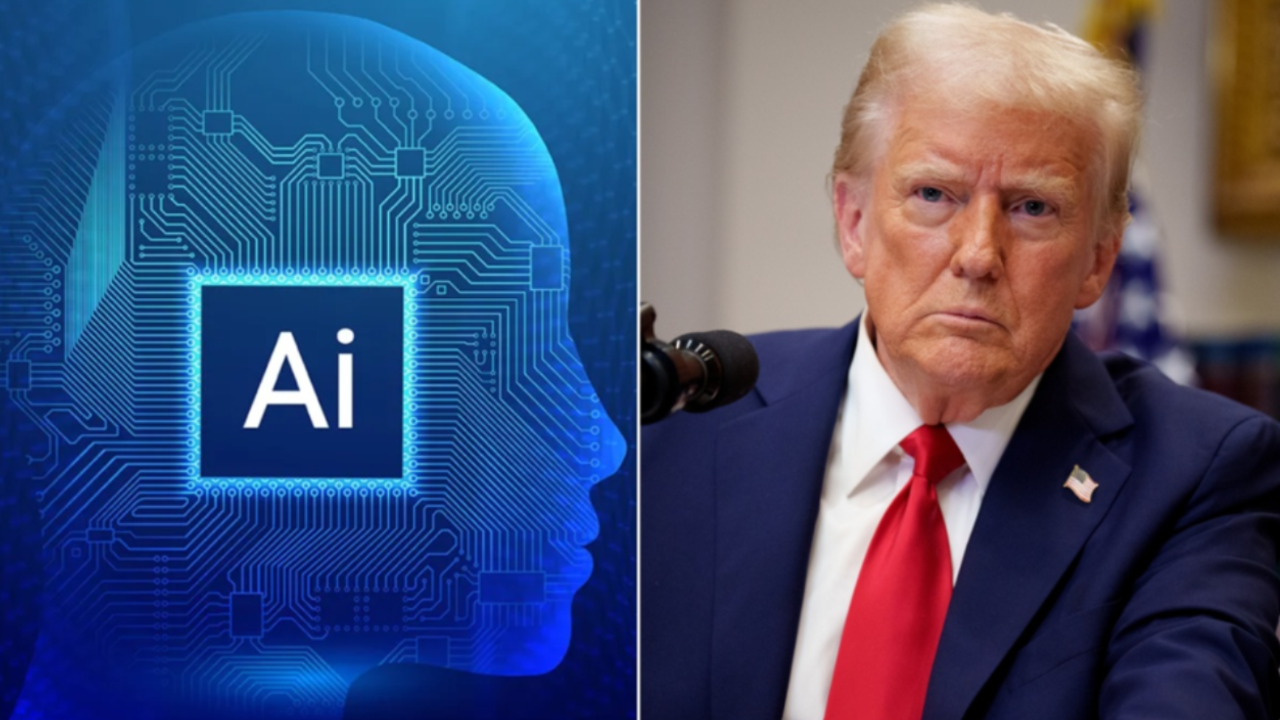
President Trump has called for the end of state-level artificial intelligence regulations, warning that a patchwork of different rules threatens to undermine U.S. economic growth and global competitiveness in the rapidly developing sector.
In a statement posted to Truth Social on Tuesday, Trump emphasized that AI investment is helping make the American economy “the hottest in the world” but cautioned that overregulation at the state level could stifle this momentum. He specifically criticized what he called “Woke AI,” referencing controversial AI-generated content, and called for a unified federal standard rather than 50 different state regulatory frameworks.
“Some States are even trying to embed DEI ideology into AI models, producing ‘Woke AI’ (Remember Black George Washington?). We MUST have one Federal Standard instead of a patchwork of 50 State Regulatory Regimes,” Trump wrote.
The former president’s comments come as House Republican leaders signal they may attempt to include AI preemption language in the upcoming National Defense Authorization Act. Such a provision would effectively block states from implementing their own AI regulations and protections. House Majority Leader Steve Scalise (R-La.) expressed support for this approach on Monday, describing it as necessary to prevent “regulatory chaos” as individual states advance their own rules.
Trump’s push aligns with his broader “Winning the AI Race: America’s AI Action Plan.” Under executive orders issued in July, federal agencies are required to avoid procuring AI systems that “sacrifice truthfulness and accuracy to ideological agendas” and must adhere to “Unbiased AI Principles.” The orders also support measures against AI-generated deepfakes through the “Take It Down Act.”
Vice President JD Vance has reinforced this position, stating at February’s Artificial Intelligence Action Summit that “excessive regulation of the AI sector could kill a transformative industry just as it’s taking off.”
However, not all Republicans share this view. Florida Governor Ron DeSantis expressed opposition to federal preemption on Tuesday, warning via social media platform X that overriding state authority would essentially provide a “subsidy to Big Tech” and prevent states from protecting against various concerns including “online censorship of political speech, predatory applications that target children, violations of intellectual property rights and data center intrusions on power/water resources.”
The debate over AI regulation comes amid significant international investment interest. During a Tuesday visit to the White House, Saudi Crown Prince Mohammed bin Salman committed to increasing planned investment in the U.S. economy to nearly $1 trillion over the coming year, potentially including AI technologies.
Meanwhile, Democratic Senator Elizabeth Warren of Massachusetts has raised separate concerns about government support for AI companies. In a recent letter, Warren questioned the potential use of taxpayer funds to support OpenAI and similar firms, warning about the risk of public bailouts.
“OpenAI’s actions suggest that it may be pursuing a deliberate strategy to entangle itself with the federal government and the broader economy, so the government has no choice but to step in with public funds,” she wrote. “We have seen this before: take on enough debt, make enough risky bets, and then demand a taxpayer bailout when those bets go south, so the economy does not crash.”
The debate highlights the complex balance policymakers face in regulating emerging technologies like AI. While federal standardization could provide regulatory clarity and prevent fragmentation that might hinder innovation, critics worry that preempting state authority could eliminate important consumer and social protections that address local concerns.
As AI continues to transform industries and daily life, the tension between fostering innovation and implementing appropriate safeguards remains at the heart of policy discussions across the political spectrum.
Fact Checker
Verify the accuracy of this article using The Disinformation Commission analysis and real-time sources.

11 Comments
Trump makes a fair point about the risks of a patchwork of state AI rules. However, I’m concerned his ‘Woke AI’ framing could become a partisan wedge issue. Hopefully lawmakers can find a pragmatic, bipartisan path forward on this critical issue.
Interesting move by Trump to push for federal AI standards. While state regulations can create a patchwork, we’ll need to carefully balance national standards with preserving state autonomy. Curious to see how this unfolds and impacts the AI industry’s growth and competitiveness.
As the AI sector continues to grow rapidly, clear and consistent regulations will be crucial. A federal standard could provide much-needed clarity, but states should still have a voice in shaping policies that work for their unique needs and industries.
Trump raises some valid points about the need for a unified federal AI framework. However, I’m cautious about his criticism of ‘Woke AI’ – we should be careful not to politicize these important technological advancements.
Agreed. AI policies should be based on objective, evidence-based standards, not ideological agendas. The focus should be on fostering ethical, responsible AI development for the benefit of all.
Trump raises some valid concerns about the risks of fragmented state-level AI rules. However, his ‘Woke AI’ rhetoric is concerning and could politicize this important issue. Policymakers should focus on developing pragmatic, evidence-based frameworks that work for all.
This is a complex issue without easy answers. Federal standards could provide consistency, but states may want flexibility to address local concerns. Hopefully any new policies can strike the right balance between national coordination and local control.
Well said. Finding that balance is crucial. We want to encourage AI innovation while also ensuring proper safeguards are in place, which may require a mix of federal and state approaches.
This is a complex issue without easy answers. While federal standards could provide consistency, states may want flexibility to address local needs and concerns. Hopefully any new policies can strike the right balance and avoid becoming partisan flashpoints.
This is a complex issue that will require thoughtful compromise. Federal standards could streamline compliance, but states may want flexibility to address local concerns. Balancing national coordination with state autonomy will be key.
Interesting to see Trump weigh in on AI regulation. While federal standards have merits, we’ll need to carefully consider how to preserve state-level innovation and responsiveness. This is a nuanced issue that deserves a measured, bipartisan approach.