


Listen to the article
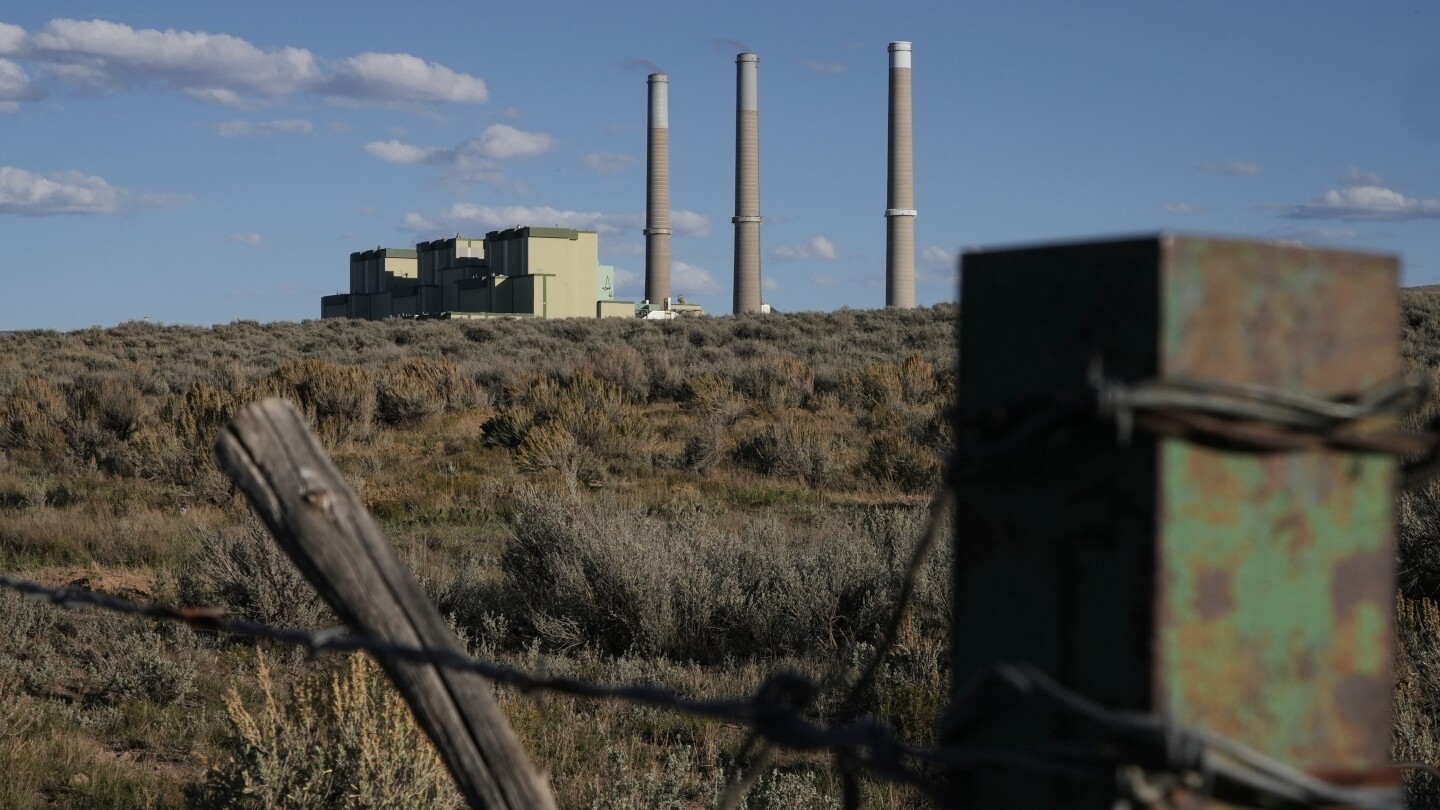
The Trump administration has ordered the owners of a Colorado coal-fired power plant to continue operations beyond its planned retirement date, marking another intervention in the administration’s efforts to support the coal industry. Tri-State Generation and Transmission Association had intended to shut down Unit 1 of the Craig Station power plant in northwestern Colorado on Wednesday.
The directive from Energy Secretary Chris Wright will require plant owners to repair a broken valve that took the 446-megawatt unit offline on December 19, according to Tri-State. The company had been planning since 2016 to decommission the unit for economic reasons and to meet state and federal requirements.
“As a not-for-profit cooperative, our membership will bear the costs of compliance with this order unless we can identify a method to share costs with those in the region,” said Tri-State CEO Duane Highley in a statement. When asked about repair costs and timelines, a company spokesperson indicated no additional information was available.
This order follows similar recent Department of Energy interventions to keep coal-fired facilities operating in Indiana, Washington state, and Michigan, despite owners’ closure plans. Wright justified the decision in Tuesday’s emergency order, stating the generator must remain operational to address electricity shortages in the northwestern United States.
“The Trump Administration is committed to lowering energy costs and keeping American families safe,” Wright said in a release accompanying the order.
The Craig Station power plant, completed in 1980, has been a significant part of northwestern Colorado’s economy. The 45-year-old Unit 1 had been scheduled to close at the end of 2025, while the facility’s Units 2 and 3 are slated for retirement in 2028. The nearby Trapper Mine, which supplies coal to the plant, is also scheduled to close.
The administration’s move represents another chapter in President Trump’s broader push to revitalize the U.S. coal industry, which has faced increasing competition from cheaper natural gas and renewable energy sources. The administration has simultaneously worked to restrict renewable energy development, including wind power projects.
For residents of Craig, a city of approximately 9,000 people, the order does little to change the region’s long-term economic transition away from coal. Wade Gerber, an employee at the power plant, expressed skepticism about the lasting impact of the decision.
“What does this administration get to do? What does the next administration get to do? Is it going to make coal any long-term thing? No, probably not,” Gerber said. Anticipating the industry’s decline, Gerber has already diversified his livelihood by opening a distillery with plans for wider distribution by 2026.
Colorado officials have criticized the order for its financial impact on electricity consumers. Democratic U.S. Senator Michael Bennet called the decision “unacceptable” in a statement, arguing it unfairly burdens ratepayers with unnecessary costs.
The Craig Station intervention highlights the tension between the administration’s coal industry support and the economic realities facing utilities. Many power companies are increasingly turning to less expensive and cleaner energy alternatives, driven by both market forces and environmental concerns.
For Colorado’s coal country, the emergency order represents a temporary pause in what many locals see as an inevitable transition. As communities like Craig prepare for a future less dependent on coal, the economic and social adjustments remain challenging despite federal interventions to extend the industry’s lifespan.
The uncertainty surrounding the plant’s future operations adds to the complexity faced by both workers and community members as they navigate the changing energy landscape in northwestern Colorado.
Fact Checker
Verify the accuracy of this article using The Disinformation Commission analysis and real-time sources.

8 Comments
This decision raises a lot of questions about the role of government in energy markets and the balance between economic and environmental concerns. I’ll be interested to see how it impacts the local community and whether alternative energy solutions are explored as part of the transition.
I’m a bit skeptical of the administration’s rationale for this order. Keeping outdated coal plants online seems more like a political move than an economically or environmentally sound decision. But I’ll be curious to see how this plays out and whether it sets a precedent for future interventions.
Interesting that the Trump administration is stepping in to prop up this coal plant. I wonder if it’s a short-term measure or part of a broader strategy to support the coal industry. It will be important to see how the plant owners handle the costs and timeline for the required repairs.
You raise a good point. The long-term economic and environmental implications of this decision will be important to monitor.
This seems like another example of the administration’s efforts to intervene in energy markets to support coal. While I understand the desire to protect jobs, I’m curious if there are more cost-effective and sustainable solutions that could be explored to meet power needs in the region.
That’s a fair question. The shift towards renewable energy sources is gaining momentum, so it will be interesting to see if alternative approaches are considered here as well.
As a mining and commodities investor, I’m curious to see how this affects the coal market and related equities. While the order may provide a short-term boost, it doesn’t address the broader shift away from coal power. Investors will likely be watching closely for any ripple effects.
Good point. The long-term trends in the energy sector are important to consider, even as regulators try to prop up specific assets in the short term.